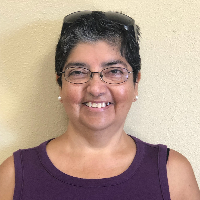
Hamida Parkar
AASW
AASW social worker - family origin and anxiety focus
- Stress, Anxiety
- Relationship
- Trauma and abuse
Family of origin directory
5,368 therapists list communication problems among the things they work with. All offer sessions online, and every profile shows the registering body, the membership number and when it runs to.
This directory page highlights therapists who work with communication problems. Browse the listings below to compare clinicians by focus areas, approaches, languages, and experience.
AASW
AASW social worker - family origin and anxiety focus
LMHC
Florida LMHC - Family of origin and mood concerns
LPC
Licensed Professional Counselor - Anxiety and Family issues
PACFA
PACFA counsellor - Family of origin and relationships
BACP
Psychodynamic psychotherapist - family and relationships
BACP
BACP counsellor - family of origin and relationships
BACP
BACP counsellor specialising in family patterns and stress
BACP
BACP counsellor - relationships and family issues
LPC
Licensed Professional Counselor - Relationships and Family Issues
LISW-CP
Licensed social worker - family patterns and relationships
LPC
Licensed Professional Counselor - Stress and Relationships
BACP
BACP counsellor - family of origin and relationships
LPCC
LPCC in Kentucky - Addictions and Family concerns
LMFT
LMFT in California - family origins and relationships
NCPS
NCPS counsellor - relationships and family patterns
LCSW, CSW
LCSW in Colorado - family of origin and relationships
BACP
BACP counsellor - family of origin concerns
LPC
Licensed Professional Counselor - Anxiety and Depression
LPC
Licensed Professional Counselor - Family patterns, relationships
LCSW
Licensed Clinical Social Worker - Stress and Addiction
BACP
UK counsellor - family patterns and trauma
LPC
LPC in Alabama - family of origin and mood concerns
LPC
LPC in Texas - Family of origin and relationships
LCSW
LCSW - Family of origin and relationship concerns
AASW
AASW social worker - relationships and trauma
AHPRA
AHPRA clinician specialising in family patterns and anxiety
AASW
AASW social worker - relationships and anxiety
LMFT
LMFT in Florida - relationships and family issues
LPC, LMHC
Licensed LPC/LMHC - Family patterns and anxiety
LCPC
Licensed Clinical Professional Counselor - family of origin issues
LCSW
LCSW in California - relationships and parenting
LPC
Licensed Professional Counselor - Relationships and Identity
LPC
Licensed Professional Counselor - Family patterns and stress
LCSW, CSW
Licensed Clinical Social Worker - Family and stress
BACP
BACP counsellor - relationships and family concerns
LICSW
LICSW in Minnesota - Family of origin and trauma
LPC
Licensed Professional Counselor - Family patterns and anxiety
Some links on this page are partner links. We will earn a commission if you sign up through one, at no cost to you. It does not change what you pay or the order of the listings.
Communication problems can take many forms. In some relationships you may find that conversations quickly become heated or shut down, leaving important topics unspoken. At other times you might struggle to express needs, provide feedback, or hear what a partner, family member, or colleague is really saying. Communication difficulties can stem from differences in upbringing, cultural patterns, attachment histories, stress, or learned interaction styles that no longer serve you.
When communication is strained it tends to ripple into other parts of life. You may notice more frequent misunderstandings, recurring conflicts that feel unresolved, or emotional distance that grows over time. Work performance and friendships can feel the impact as misread cues lead to awkward exchanges or unmet expectations. Recognizing the broad effects of communication problems is the first step toward seeking focused help that targets interaction skills as well as the feelings underneath the patterns.
If you are wondering whether therapy might help, there are common signs to watch for. You may repeatedly have the same argument with a partner or family member and feel like nothing changes, or you might avoid certain topics altogether to sidestep conflict. You could find yourself apologizing often without seeing meaningful shift, or you may bottle up feelings until they erupt in ways that surprise you.
Other indicators include difficulty asking for what you need, a pattern of withdrawing during conversations, or chronic misinterpretation of tone and intent. You might also feel misunderstood across cultural or generational divides, or notice that small exchanges escalate into major trust issues. If these patterns are causing distress, adding stress to your daily life, or interfering with relationships you care about, a therapeutic approach that targets communication can give you tools to change interaction patterns and understand the emotions beneath them.
Therapy that addresses communication problems usually blends skill-building with exploration of underlying dynamics. Early sessions tend to focus on identifying repeated patterns - how conversations begin, what tends to escalate conflict, and how each person typically responds. You and your therapist will work to map out interaction cycles so that you can see how small behaviors create larger outcomes over time.
As you progress, therapy often introduces practical techniques for clearer expression and active listening. You may practice pacing a conversation so both people have space to speak, using reflective statements that show you heard the other person, and framing requests in ways that promote cooperation rather than defensiveness. Many therapists encourage role-play or structured dialogues in session so you can try new approaches in a supported environment. Over time these exercises help shift automatic responses into more intentional communication habits.
Clinicians use a range of approaches to address communication difficulties, and you will find therapists who describe different methods in their profiles. Some therapists emphasize interactional techniques that focus on present-moment exchanges and teach concrete skills for listening, asserting needs, and de-escalating conflict. Other clinicians take an emotion-centered route and explore how unprocessed feelings and attachment histories shape the ways you speak and respond.
It is common to see therapists who list cognitive behavioral approaches among their methods when the work targets thought patterns that drive unhelpful communication. You may also encounter therapists who list emotion-focused or attachment-informed approaches when the aim is to repair intimacy and build trust. Narrative-oriented clinicians may help you reframe the stories you and others tell about recurring conflicts. Because practitioner profiles record approaches rather than formal endorsements, you can use those listings to find therapists whose described styles resonate with what you want to address.
Online therapy has become a practical option for addressing communication issues, especially when scheduling, distance, or health considerations make in-person visits difficult. You can participate in sessions from a quiet room at home or another comfortable environment chosen by you. Sessions most often occur by video, but some therapists also offer phone or messaging-based formats that can fit different communication needs and preferences.
When you pursue communication-focused work online, therapists may adapt exercises to the format. For example, guided conversations and role-play can be conducted over video with clear turn-taking cues and the use of screen tools if helpful. Therapists may also suggest homework - short conversations to practice newly learned skills between sessions - and then return to those interactions in a subsequent appointment to refine techniques. If you choose online therapy, think about connectivity, a personal place to talk, and whether you prefer synchronous sessions or the flexibility of messaging. Those practical preferences can shape how the work unfolds and which clinicians are a good fit.
Selecting a therapist is a personal process. Begin by looking at profiles to compare focus areas, credentials, languages spoken, and the therapeutic approaches that therapists list. If cultural background, family history, or specific relationship structures are important to you, pay attention to clinicians who highlight experience in those areas. A therapist who lists work with couples, families, or specific relationship contexts among their focus areas may be more familiar with the dynamics you want to address.
Consider also how you want the therapy to feel. Some people prefer a directive, skills-based approach that teaches concrete communication strategies. Others want a reflective style that delves into emotions and the stories that shape interaction habits. You do not need to find perfect alignment on the first try, but choosing a therapist whose described approach resonates with your goals can make sessions more productive. Practical considerations - such as language, fees, and whether the clinician works with individuals, couples, or families - are also important. Read profiles for clues about approach and experience, then use an initial conversation to assess fit and the therapist's way of interacting with you.
When you review profiles, imagine how the clinician's described focus areas would apply to your situation. Look for language that speaks to the patterns you want to change and for clinicians who mention concrete strategies alongside relational themes. If you prefer online work, note which formats therapists list and how they describe conducting communication exercises remotely. Remember that the therapeutic relationship itself - feeling heard, respected, and challenged in ways that feel constructive - is a central ingredient in effective change.
Finally, keep in mind that seeking help for communication problems is an investment in how you connect with others. Whether the issue is an ongoing argument, repeated misunderstandings, or difficulty expressing needs, focused therapeutic work can give you clearer tools for conversation and deeper insight into why patterns repeat. Use the directory to explore profiles that match your priorities and reach out to learn more about how a particular therapist works with communication challenges. The right match can help you build conversations that feel more honest, productive, and connected over time.