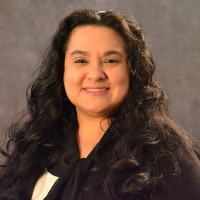
Hamida Parkar
AASW
AASW social worker - family origin and anxiety focus
- Stress, Anxiety
- Relationship
- Trauma and abuse
Family of origin directory
3,029 therapists list Trauma-Focused Therapy among the ways they work. Naming an approach is not evidence of training in it, so ask directly how they use it.
Trauma-Focused Therapy is an approach that helps people process distressing experiences by working with memories, emotions and bodily responses to trauma. Below you can browse therapists who list Trauma-Focused Therapy among their approaches to find practitioners whose focus and style align with your needs.
AASW
AASW social worker - family origin and anxiety focus
LMHC
Florida LMHC - Family of origin and mood concerns
PACFA
PACFA counsellor - Family of origin and relationships
BACP
BACP counsellor - family of origin and relationships
BACP
BACP counsellor specialising in family patterns and stress
LPC
Licensed Professional Counselor - Stress and Relationships
LMFT
LMFT in California - family origins and relationships
NCPS
NCPS counsellor - relationships and family patterns
LCSW, CSW
LCSW in Colorado - family of origin and relationships
BACP
BACP counsellor - family of origin concerns
LPC
Licensed Professional Counselor - Family patterns, relationships
BACP
UK counsellor - family patterns and trauma
LPC
LPC in Texas - Family of origin and relationships
AHPRA
AHPRA clinician specialising in family patterns and anxiety
AASW
AASW social worker - relationships and anxiety
LPC, LMHC
Licensed LPC/LMHC - Family patterns and anxiety
LPC
Licensed Professional Counselor - Relationships and Identity
BACP
BACP counsellor - relationships and family concerns
LICSW
LICSW in Minnesota - Family of origin and trauma
LPC
LPC in Texas - relationships and family concerns
BACP
BACP counsellor - family patterns and relationships
BACP
BACP counsellor - family of origin and relationships
LPCC
LPCC in Ohio - Family of origin and mood concerns
LCSW
LCSW focused on relationships and family patterns
ACA
ACA counsellor - relationships and family patterns
BACP
BACP counsellor - family and relationship focus
AASW
AASW social worker - family of origin and mood concerns
LPC
Licensed Professional Counselor - Family of origin and anxiety
LCPC, LMHC
Rev. Sergio Ayala - LCPC, LMHC; stress and family concerns
BACP
BACP counsellor - family and relationship concerns
BACP
Counsellor for family of origin patterns and anxiety
LPC
Licensed Professional Counselor - Family of origin and relationships
LMFT
California LMFT - Family of origin and mood concerns
LISW
LISW in Ohio - family pattern and coping support
LPC
Licensed Professional Counselor - Relationships and Trauma
LIMHP
LIMHP in Nebraska - family of origin focus
BACP
BACP counsellor - family and relationship concerns
BACP
Counsellor - Family of origin and trauma focus
LMFT
Dr. Tammy Occhipinti, LMFT - Family and anxiety concerns
BACP
Clinical Psychotherapist - Family and relationship issues
LCSW, LPCC
California LCSW and LPCC - family patterns and parenting
LPC
LPC in Mississippi - family of origin and mood concerns
Some links on this page are partner links. We will earn a commission if you sign up through one, at no cost to you. It does not change what you pay or the order of the listings.
Trauma-Focused Therapy is an umbrella term for therapeutic work that centers on the effects of traumatic events and how those events continue to shape a person’s feelings, relationships and sense of safety. At its core, this approach begins from the recognition that trauma can be stored in memory, emotion and the body, and that healing often involves helping those elements to be processed and integrated rather than avoided. Practitioners who describe their work as trauma-focused generally emphasize building a trusting therapeutic relationship, pacing interventions to match your tolerance, and using techniques that address memories, meaning and physiological responses to stress.
The guiding principles typically include a trauma-informed stance - which means acknowledging how trauma affects behavior and perception - and a collaborative approach where you and the therapist set goals together. A trauma-focused practitioner will often prioritize creating a safe setting in session, helping you develop skills for managing distress, and gradually approaching painful material in ways that feel manageable. Rather than eliminating memory of an event, the aim is often to reduce the intensity of distress, increase your sense of control, and support new ways of understanding what happened and how it affects your life now.
People seek trauma-focused therapy for a wide range of concerns that stem from single-incident trauma, repeated adverse experiences, or prolonged exposure to stressful situations. Common presenting concerns include the emotional and behavioral aftermath of accidents, assaults, natural disasters, and medical trauma, as well as the lingering effects of childhood adversity and relational harm. You might look for trauma-focused care if you are experiencing intrusive memories, nightmares, hypervigilance, avoidance of reminders, or persistent mood changes that began after distressing events.
The approach is also commonly used for complex presentations where trauma is intertwined with attachment wounds, difficulties with emotion regulation, or patterns of relationship disruption. People navigating grief complicated by traumatic circumstances, survivors of interpersonal violence, and those coping with trauma-related reactions tied to systemic stressors may all find this style of therapy relevant. While the focus is on trauma and its effects, many therapists blend trauma-focused methods with other interventions to address co-occurring issues such as anxiety, depression, and substance-related concerns in a holistic way.
Sessions in trauma-focused therapy usually begin with check-ins about how you are feeling that day, what has happened since the last session, and whether any skills or strategies practiced previously have been helpful. You can expect the therapist to ask about your goals and to collaborate on a pacing plan that respects your current capacity to engage with difficult material. Early work often centers on building coping tools - for example grounding techniques, breathing strategies, or ways to manage flashbacks - so that when the therapy moves into deeper processing you have resources to rely on.
The structure of sessions can vary depending on the therapist’s approach and your needs. Some sessions may involve narrative work where you gradually explore memories and the meanings attached to them. Other sessions may focus on body-centered awareness, helping you notice how stress shows up physically and learning techniques to regulate those sensations. You might also practice exposure in a contained way, approaching reminders of the trauma gradually while supported by the therapist. Throughout, the therapist should check in about your comfort and adjust pacing; therapy is usually collaborative, with you shaping the focus and timing of deeper work.
Trauma-Focused Therapy distinguishes itself by explicitly orienting assessment, goals and techniques around the experience and consequences of trauma. While many therapeutic orientations can be helpful for emotional distress, trauma-focused work places particular emphasis on memory processing, symptom reduction related to trauma, and reconnecting a person’s present identity with an event that may have fractured it. Conventional talk therapy that centers on insight alone may not always address the ways traumatic memory is stored in the body or how trauma alters attention and threat perception. Trauma-focused approaches tend to integrate cognitive, emotional and somatic methods to address these unique features.
Another difference is the attention to pacing and safety. Trauma-focused work commonly integrates skill-building before memory processing so that you have a toolkit for coping. Therapists who list trauma-focused work among their approaches often describe deliberate strategies for titrating exposure to painful material, ensuring you are not overwhelmed. This contrasts with more open-ended or insight-driven therapies where pacing may be less structured. Finally, trauma-focused therapy often includes specific strategies for working with trauma-related symptoms such as intrusive memories, avoidance patterns, and physiological hyperarousal, while remaining adaptable to your broader life context.
Trauma-Focused Therapy can be suitable for many people who are coping with distress linked to traumatic experiences, but it is not a one-size-fits-all solution. You are a good candidate if you find that symptoms such as intrusive memories, avoidance, hyperarousal or persistent emotional reactivity interfere with your daily life, and if you feel ready to engage with memories or responses that have been painful. It can also be a helpful complement to other supports when trauma interacts with relationship difficulties, substance use, or chronic health conditions. That said, some people may prefer to begin with stabilization and coping work before engaging in memory-focused processing, and a thoughtful therapist will help you make that decision.
When searching for a therapist who lists Trauma-Focused Therapy among their approaches, pay attention to how practitioners describe their focus areas, the populations they work with, and the therapeutic styles they use. Look for descriptions that mention a collaborative process, pacing, and specific techniques you are curious about. Consider practical factors that matter to you such as language, cultural competence, session length and format - whether in-person or virtual - and whether the therapist emphasizes a strengths-based and respectful approach to trauma. It can be helpful to read therapist profiles to learn about their experience with the issues you face, and to note whether they list particular trauma-related methods as part of their practice. When you contact a therapist, you can ask about how they typically structure trauma-focused work, how they help clients manage distress between sessions, and what support they provide if intense emotions arise. Those conversations can give you a clearer sense of whether their style and framing will meet your needs.
Start by identifying the kinds of trauma-related issues you most want to address, and use those as keywords when browsing profiles. Notice whether therapists mention working with similar life stages, cultural backgrounds or relationship contexts, since shared experience or familiarity with specific issues can shape how comfortable you feel in therapy. Pay attention to the language therapists use - whether they emphasize skill-building, narrative integration, somatic awareness or meaning-making - and choose someone whose approach resonates with what you want. Finally, consider logistical details such as fees, session length and whether they offer brief consultations to help you assess fit. Remember that finding the right therapeutic match can take time, and that a good fit often depends as much on relational alignment as on technique.