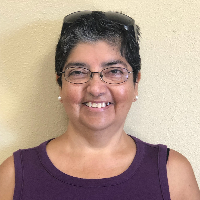
Hamida Parkar
AASW
AASW social worker - family origin and anxiety focus
- Relationship
- Stress, Anxiety
- Trauma and abuse
Family of origin directory
5,336 therapists list relationship among the things they work with. All offer sessions online, and every profile shows the registering body, the membership number and when it runs to.
On this page you'll find profiles of therapists who focus on relationship concerns, including couples work, family issues, and interpersonal patterns. Use the listings below to explore clinicians by focus areas, approaches, languages, and experience to help you take the next step.
AASW
AASW social worker - family origin and anxiety focus
LMHC
Licensed Mental Health Counselor - Relationships and Trauma
LMHC
Florida LMHC - Family of origin and mood concerns
LPC
Licensed Professional Counselor - Anxiety and Family issues
PACFA
PACFA counsellor - Family of origin and relationships
BACP
Psychodynamic psychotherapist - family and relationships
BACP
BACP counsellor - family of origin and relationships
BACP
BACP counsellor specialising in family patterns and stress
BACP
BACP counsellor - relationships and family issues
LPC
Licensed Professional Counselor - Relationships and Family Issues
LISW-CP
Licensed social worker - family patterns and relationships
LPC
Licensed Professional Counselor - Stress and Relationships
LPC
Licensed Professional Counselor - Family and relationship concerns
BACP
BACP counsellor - family of origin and relationships
LMFT
LMFT in California - family origins and relationships
NCPS
NCPS counsellor - relationships and family patterns
LCSW
Licensed Clinical Social Worker - Stress and Relationships
LCSW, CSW
LCSW in Colorado - family of origin and relationships
BACP
BACP counsellor - family of origin concerns
LPC
Licensed Professional Counselor - Family patterns, relationships
BACP
UK counsellor - family patterns and trauma
LPC
LPC in Alabama - family of origin and mood concerns
LPC
LPC in Texas - Family of origin and relationships
LCSW
LCSW - Family of origin and relationship concerns
AASW
AASW social worker - relationships and trauma
AHPRA
AHPRA clinician specialising in family patterns and anxiety
AASW
AASW social worker - relationships and anxiety
LMFT
LMFT in Florida - relationships and family issues
LPC, LMHC
Licensed LPC/LMHC - Family patterns and anxiety
LCSW
LCSW in California - relationships and parenting
LPC
Licensed Professional Counselor - Relationships and Identity
LPC
Licensed Professional Counselor - Family patterns and stress
BACP
BACP counsellor - relationships and family concerns
LICSW
LICSW in Minnesota - Family of origin and trauma
LPC
Licensed Professional Counselor - Family patterns and anxiety
LPC
LPC in Texas - relationships and family concerns
BACP
BACP counsellor - family patterns and relationships
BACP
BACP counsellor - family of origin and relationships
LPC
LPC in Texas - family of origin and trauma concerns
Some links on this page are partner links. We will earn a commission if you sign up through one, at no cost to you. It does not change what you pay or the order of the listings.
When people talk about relationship concerns they mean a wide range of patterns and problems that interfere with connection, communication, and wellbeing between two or more people. Relationship issues can include repeated arguments that never feel resolved, a steady emotional distance that leaves you feeling lonely even when you are together, cycles of criticism and defensiveness that erode trust, or difficulties recovering from betrayal or loss. Relationship challenges also appear between family members, in blended families, in friendships, and in work relationships where ongoing interactions affect your emotional life. You may notice physical symptoms such as sleep disruption or headaches, or behavioral signs like withdrawing from social contact, overworking to avoid home stress, or repeating the same painful dynamic with different partners.
These difficulties are rarely about a single event. Often they reflect patterns shaped by earlier relationships, learned communication habits, expectations about roles, and individual stressors like work pressure or health concerns. In many cases you and the other person care about the relationship but lack the skills or perspective to change the pattern on your own. Recognizing that a pattern exists is the first practical step toward making different choices and gradually shifting how you relate to one another.
You may benefit from relationship therapy if conflict feels chronic and overwhelming rather than occasional and constructive. If you find that arguments escalate quickly, lead to shutting down, or circle back to the same unresolved themes, therapy can offer a space to slow down and explore what lies beneath the conflict. Other clear signs include persistent emotional distance, a sense of walking on eggshells, ongoing mistrust, or a recent event that has left the relationship feeling fragile. Relationship issues can also surface as repeated patterns across different relationships - if you notice similar dynamics reappearing in friendships or partnerships, therapy can help you understand those patterns and develop alternatives.
It is also reasonable to seek relationship therapy when you want to strengthen existing strengths rather than fix a crisis. You might look for help to improve communication during life transitions, to renegotiate roles after becoming parents, or to rebuild intimacy after stressful seasons. Therapy is appropriate whether you come as a couple, as members of a family, or individually to address interpersonal concerns that affect your life. The common thread is a desire to change how you relate, to understand contributing factors, and to build new habits that support healthier connections.
Relationship therapy typically begins with an assessment of the presenting concerns and a review of each person's perspective. In early sessions you can expect the therapist to ask about the history of the relationship, recent triggers, communication patterns, and any safety issues. The therapist will often explore family background and earlier relationships to identify patterns that influence current interactions. Sessions aim to create a calm, structured setting where difficult topics can be discussed without escalating into the same reactive cycles that happen at home.
Therapy sessions usually include both observation and skill-building. The therapist may reflect back patterns they see, offer new language to describe interactions, and help you practice different ways of listening and responding. Over time the focus moves from describing problems to developing concrete skills for managing conflict, expressing needs, and repairing ruptures. Homework or practice outside sessions is commonly suggested so you can try new approaches in real life and bring the results back for discussion. Progress is often gradual and involves trying new behaviors, noticing how the other person responds, and adjusting accordingly.
There are a variety of approaches that therapists bring to relationship work, and clinicians often combine methods to fit the couple or family in front of them. You may find therapists who list Emotionally Focused Therapy among their approaches, which centers on patterns of emotional bonding and helps partners create new supported interaction cycles. You may also encounter therapists who list Gottman-informed methods among their approaches, which emphasize observable behaviors, communication exercises, and practical strategies for managing conflict and increasing positive interactions. Therapists who list Cognitive Behavioral Therapy among their approaches may help you identify and change thought patterns that contribute to reactivity and blame.
Other clinicians may list approaches such as attachment-focused work, narrative therapy, or approaches that address trauma, and some will list EMDR among their approaches as a tool they sometimes use when past trauma impacts relational safety. You might also see references to Internal Family Systems or other relational models; when you read a profile, note the phrasing that therapists use to describe their work and look for explanations of how approaches translate into session work. Since profile language reflects what a therapist chooses to highlight rather than formal credentials, you can ask about how a given approach is applied in sessions and whether it aligns with your goals.
Online therapy for relationship concerns brings many of the same methods used in office sessions into a video, phone, or messaging format. You can attend sessions from wherever you are, which can make scheduling easier and allow you to meet with a clinician who has a particular focus even if they are not nearby. In an online session you and the therapist will work through communication exercises, practice reflecting and listening, and process emotional responses much as you would in person. Some people find it easier to talk when they are in a comfortable environment at home, while others prefer the separation of a neutral setting. If you are joining sessions with another person, you will want to choose a location that allows both participants to speak openly without interruptions.
When choosing a therapist for relationship work, think about the fit you want more than a label. Consider whether you prefer a therapist who emphasizes emotion-focused exploration, skill-based communication coaching, or an approach that references family of origin dynamics. Read profiles for information about focus areas, languages spoken, and whether the therapist notes experience with particular life transitions such as parenting, separation, or blending families. If a therapist’s profile mentions approaches you are curious about, look for language that explains how those approaches are used rather than assuming uniform training. Practical considerations also matter - you may prefer someone who describes their conversational style, session structure, and how they partner with clients to set goals.
Finally, remember that the first few sessions are an opportunity to see how the therapist frames your concerns and whether their style feels like a good match for you. You can use early conversations to ask how they approach conflict, how they work with strong emotions, and what they see as reasonable early goals for your situation. Choosing a therapist is a personal decision, and taking time to find someone whose approach and communication style align with your needs increases the chances that the work will be productive and meaningful.
Relationship work often brings relief by changing the way you relate in the present and by helping you clarify the kinds of changes you want. Whether you seek therapy to resolve persistent conflict, to recover after a rupture, or to build deeper connection, the profiles on this page are a starting point for learning about therapists who focus on relationship concerns. Take time to review approaches and descriptions, then reach out to a clinician whose style and focus resonate with the changes you want to make.