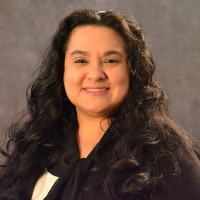
Hamida Parkar
AASW
AASW social worker - family origin and anxiety focus
- Stress, Anxiety
- Relationship
- Trauma and abuse
Family of origin directory
2,947 therapists list Motivational Interviewing among the ways they work. Naming an approach is not evidence of training in it, so ask directly how they use it.
Motivational Interviewing is a collaborative, goal-focused conversational approach that helps people resolve ambivalence and find motivation for change. Below, you can browse therapists who list Motivational Interviewing among their approaches to learn more and view profiles.
AASW
AASW social worker - family origin and anxiety focus
LMHC
Florida LMHC - Family of origin and mood concerns
PACFA
PACFA counsellor - Family of origin and relationships
BACP
BACP counsellor - family of origin and relationships
BACP
BACP counsellor specialising in family patterns and stress
BACP
BACP counsellor - relationships and family issues
LMFT
LMFT in California - family origins and relationships
NCPS
NCPS counsellor - relationships and family patterns
LCSW, CSW
LCSW in Colorado - family of origin and relationships
LPC
Licensed Professional Counselor - Family patterns, relationships
BACP
UK counsellor - family patterns and trauma
LPC
LPC in Texas - Family of origin and relationships
AASW
AASW social worker - relationships and anxiety
LPC
Licensed Professional Counselor - Relationships and Identity
LICSW
LICSW in Minnesota - Family of origin and trauma
LPC
LPC in Texas - relationships and family concerns
BACP
BACP counsellor - family patterns and relationships
LPCC
LPCC in Ohio - Family of origin and mood concerns
AZ Psychologist
AZ Psychologist - relationships and coping
LCSW
LCSW focused on relationships and family patterns
BACP
BACP counsellor - family and relationship focus
AASW
AASW social worker - family of origin and mood concerns
LPC
Licensed Professional Counselor - Family of origin and anxiety
BACP
Counsellor for family of origin patterns and anxiety
LPC
Licensed Professional Counselor - Family of origin and relationships
LMFT
California LMFT - Family of origin and mood concerns
LISW
LISW in Ohio - family pattern and coping support
LPC
Licensed Professional Counselor - Relationships and Trauma
LIMHP
LIMHP in Nebraska - family of origin focus
BACP
BACP counsellor - family and relationship concerns
BACP
Counsellor - Family of origin and trauma focus
LMFT
Dr. Tammy Occhipinti, LMFT - Family and anxiety concerns
BACP
Clinical Psychotherapist - Family and relationship issues
LCSW, LPCC
California LCSW and LPCC - family patterns and parenting
LCSW
Licensed Clinical Social Worker - family and identity concerns
NCPS
Psychotherapist and counsellor - relationships and family
AASW
AASW social worker - family of origin and trauma
NCPS
Psychotherapist - family and relationship patterns
LPC
Licensed Professional Counselor - Family and relationships
Some links on this page are partner links. We will earn a commission if you sign up through one, at no cost to you. It does not change what you pay or the order of the listings.
Motivational Interviewing is a counseling style that centers on collaboration, empathy and supporting a person's own reasons for change. Rather than pushing advice or delivering directives, the approach invites you to explore your feelings about change, weigh the pros and cons and increase your commitment to a chosen path. At its heart, Motivational Interviewing recognizes that ambivalence - feeling two ways about a decision - is a normal part of change and uses structured conversation to help you move forward.
The approach is guided by key principles that you will experience in session. You are met with respectful listening that seeks to understand your perspective. Therapists aim to draw out your own motivations instead of imposing external reasons. They help you notice discrepancies between your current behaviors and broader goals so you can weigh the costs and benefits. The style also intentionally avoids arguments, instead reflecting back your language and encouraging change talk when it arises. These principles create a supportive environment for you to consider options, set realistic goals and test small steps toward change.
Motivational Interviewing is versatile and often used wherever ambivalence or low motivation is a barrier to progress. You will frequently find it applied to substance use and addiction-related concerns because people commonly enter treatment with mixed feelings about change. It is also used for health behavior shifts such as improving exercise, adjusting diet, managing chronic conditions or increasing medication adherence when motivation varies. Outside of health behaviors, the approach can support changes in relationships, work habits or coping strategies when you want to move in a new direction but feel uncertain.
Because the method focuses on strengthening intrinsic motivation and tapping into your values, it pairs well with many goals that require sustained effort. You may encounter Motivational Interviewing within brief interventions aimed at initiating change or as part of longer-term work where enhancing motivation becomes a recurring theme. If you are facing decisions that feel complicated or if previous attempts to change have stalled, the conversational and nonjudgmental emphasis may help you clarify what matters most and identify workable next steps.
A typical session is conversational and centered around your priorities. Early meetings often begin with the therapist asking open questions to learn about your situation and what has brought you to therapy. You should expect reflective listening - the therapist echoes back what they hear to ensure accurate understanding and to help you hear your own thoughts more clearly. The pace is generally gentle rather than prescriptive, allowing you to explore both the benefits of change and your reasons for hesitation.
During sessions, the therapist may help you articulate your personal goals and values and then examine how current behaviors align with those goals. You will likely hear questions designed to elicit change talk - statements that express desire, ability, reason or need to change - which helps build momentum. Together you might set small, specific, achievable steps to try between sessions and revisit how those attempts felt. Over time the focus may shift from exploring ambivalence to strengthening commitment and planning for obstacles, always using your own language and priorities as the guide.
Motivational Interviewing differs from many other therapeutic styles in its explicit focus on eliciting intrinsic motivation rather than teaching skills or interpreting underlying causes. While cognitive behavioral therapy tends to emphasize skill-building and changing thought patterns, and psychodynamic approaches often explore past influences and unconscious dynamics, Motivational Interviewing zeroes in on the present decision-making process. The method is less about insight for its own sake and more about helping you resolve ambivalence so you can take action aligned with your values.
Another distinctive element is the way the therapist handles resistance. Instead of confronting opposition directly, the therapist uses reflection, empathy and strategic questions to reduce defensiveness and encourage you to voice your own arguments for change. That makes the approach particularly useful when people are not yet ready for more directive or skill-focused interventions. Motivational Interviewing can also be combined with other methods - you may begin with motivation-focused conversations and then transition into approaches that teach specific coping skills or behavioral strategies once you feel ready to act.
Motivational Interviewing can benefit you if you are thinking about change but feel pulled in different directions, if prior attempts have stalled or if you want a collaborative, nonjudgmental way to explore your options. It may be especially helpful when you are uncertain about starting or stopping a behavior, when you want to align actions with long-term goals, or when you need help building the conviction to follow through. Because the approach respects your autonomy, it appeals to people who prefer guidance rather than direction.
When searching the directory, look for therapists who list Motivational Interviewing among their approaches and read profile summaries to learn how they describe applying it. Pay attention to the issues they emphasize, the populations they work with and any complementary approaches they mention - that information can help you gauge fit. You may also want to note professional credentials, years of experience, languages spoken and stated focus areas to find a match with your needs. Reading a therapist's description of their therapeutic style will give you a sense of whether their conversational approach and emphasis on collaboration align with your preferences.
In initial contacts, you can ask how the therapist typically integrates Motivational Interviewing into sessions, whether it is used briefly to support readiness for change or woven into longer-term work. Clarifying the practical aspects of how they work - session length, frequency and general structure - can help you decide who feels right. Trust your sense of rapport when reading profiles and reaching out; feeling heard and understood in early interactions is often a good indicator that the therapist's style will support the collaborative, motivational work you seek.
Motivational Interviewing is a practical, person-centered approach to moving from ambivalence to action. If you are ready to explore your priorities and build your own reasons for change, browsing therapists who list Motivational Interviewing among their approaches can help you find a professional whose style fits your goals and preferences.