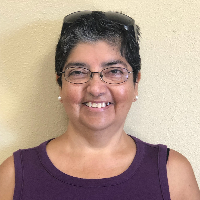
Hamida Parkar
AASW
AASW social worker - family origin and anxiety focus
- Stress, Anxiety
- Relationship
- Trauma and abuse
Family of origin directory
3,641 therapists list blended family issues among the things they work with. All offer sessions online, and every profile shows the registering body, the membership number and when it runs to.
This page helps you find therapists who list blended family issues among their specialties, including stepfamily transitions, co-parenting challenges, and blended household dynamics. Use the listings below to review therapist profiles, approaches, languages, and experience as you decide who might be a good fit.
AASW
AASW social worker - family origin and anxiety focus
LMHC
Licensed Mental Health Counselor - Relationships and Trauma
LMHC
Florida LMHC - Family of origin and mood concerns
LPC
Licensed Professional Counselor - Anxiety and Family issues
PACFA
PACFA counsellor - Family of origin and relationships
BACP
BACP counsellor - family of origin and relationships
BACP
BACP counsellor specialising in family patterns and stress
BACP
BACP counsellor - relationships and family issues
LISW-CP
Licensed social worker - family patterns and relationships
LPC
Licensed Professional Counselor - Stress and Relationships
LPC
Licensed Professional Counselor - Family and relationship concerns
BACP
BACP counsellor - family of origin and relationships
LMFT
LMFT in California - family origins and relationships
LCSW
Licensed Clinical Social Worker - Stress and Relationships
LCSW, CSW
LCSW in Colorado - family of origin and relationships
LCSW
Licensed Clinical Social Worker - Stress and Addiction
BACP
UK counsellor - family patterns and trauma
LPC
LPC in Texas - Family of origin and relationships
LCSW
LCSW - Family of origin and relationship concerns
AASW
AASW social worker - relationships and trauma
AASW
AASW social worker - relationships and anxiety
LMFT
LMFT in Florida - relationships and family issues
LCSW
LCSW in California - relationships and parenting
LCSW, CSW
Licensed Clinical Social Worker - Family and stress
BACP
BACP counsellor - relationships and family concerns
LICSW
LICSW in Minnesota - Family of origin and trauma
LPC
Licensed Professional Counselor - Family patterns and anxiety
LCSW
Licensed Clinical Social Worker - Stress and Life Changes
LPC
LPC in Texas - relationships and family concerns
LPC
LPC in Texas - family of origin and trauma concerns
LPCC
LPCC in Ohio - Family of origin and mood concerns
BACP
BACP counsellor - family of origin and relationships
LCSW
LCSW focused on relationships and family patterns
ACA
ACA counsellor - relationships and family patterns
BACP
Counsellor - Relationships and Family of origin issues
BACP
BACP counsellor - family and relationship focus
Some links on this page are partner links. We will earn a commission if you sign up through one, at no cost to you. It does not change what you pay or the order of the listings.
When families come together after divorce, separation, or new partnerships you are navigating a web of relationships that may not have a shared history. Blended family issues refer to the patterns of stress, conflict, and adjustment that arise when partners, children, and extended family members learn to live as a new unit. These challenges can appear in everyday routines, such as setting rules, dividing household responsibilities, and agreeing on discipline. They also emerge in deeper relational areas like alliance building, loyalty conflicts, and negotiating identity within the family system.
You may find that emotions run high because each person brings different expectations and attachments. Children might feel loyalty binds to a biological parent and resist a stepparent. Partners might struggle with boundaries between their new household and previous relationships. Family roles that were once clear can blur, leaving everyone uncertain about where they fit. Over time these pressures can affect communication, intimacy between partners, and the overall sense of stability in the household.
Understanding these dynamics does not require that anyone be ‘‘at fault." The blending process often involves grieving losses - of previous family structures or of the imagined future - alongside the practical work of creating new rituals and routines. Therapy can help you make sense of what is happening, reduce repeated triggers, and design ways to move forward that respect the needs of both adults and children in the household.
You might consider seeking support when everyday conflicts begin to repeat or when small disagreements escalate into bigger fights. If you notice frequent tension around co-parenting decisions, unresolved resentment toward ex-partners, difficulty forming positive relationships between stepparents and stepchildren, or persistent distrust and distance between partners, these are signs that family patterns are getting stuck. Children may show changes in behavior at home or at school - increased acting out, withdrawal, or anxiety - and these behaviors often reflect stress within the family system rather than a single child problem.
Other indicators include feeling overwhelmed by logistics such as split households, holiday arrangements, and financial responsibilities, or experiencing erosion of intimacy and communication with your partner. You might also find yourself replaying old conflicts or worrying that one disagreement will undermine the whole family. Therapy can be helpful not only for crisis moments but also for proactive skill building so that you can prevent small issues from becoming entrenched patterns.
If you are trying to support children through loyalty tensions or you want the adults in the household to align more consistently around rules and expectations, reaching out for guidance can make it easier to navigate transitions in a way that reduces stress and fosters healthier relationships.
Therapy focused on blended family matters typically begins with conversations that map out the family history and current challenges. You will be invited to describe relationships, past family patterns, and concrete tensions in daily life, and the therapist will likely ask questions about parenting styles, legal arrangements, and everyday routines so they can understand the context. Early sessions often focus on defining goals that matter to you - whether that is improving co-parenting communication, helping children adjust, setting clear household expectations, or repairing the couple relationship.
As sessions progress you can expect a mix of conversation, skill practice, and problem solving. Therapists often help families identify recurring interaction cycles and experiment with new ways of talking and relating that reduce reactivity. This might include coaching for parents on consistent discipline strategies, guided conversations for partners to rebuild trust, or facilitated family meetings where children have a voice. The pace will be guided by what feels manageable for you; therapy can address immediate conflicts while also supporting longer-term changes in family patterns.
You should also expect that change takes time. Developing new rituals, aligning parenting approaches, and shifting loyalties require repeated practice in real life between sessions. A therapist can help you translate insights into small, actionable steps and provide feedback so you can celebrate progress and adjust strategies that are not working. If you are choosing online sessions, many of the same approaches apply, though the ways you practice may be adapted to your home environment.
Therapists working with blended family issues draw from a range of theoretical approaches, and you will find professionals who list family systems work, couples therapy, child-focused approaches, and behavioral techniques among their approaches. Family systems perspectives help you see how patterns of interaction sustain problems and where small shifts can create ripple effects. Couples-oriented work focuses on the relationship between partners - improving communication, rebuilding trust, and negotiating parenting roles. When children are central to the concern, therapists may use age-appropriate strategies to support emotional expression and adjustment.
Some therapists will describe interventions that emphasize communication skills and emotion regulation, helping family members articulate needs without escalating conflict. Others may highlight strategies for co-parenting coordination and boundary setting so that adults present a consistent structure for children. You may also encounter therapists who list trauma-informed perspectives among their approaches when family transitions have been complicated by previous losses or sudden changes. When reviewing profiles, look for language about approaches and therapy styles rather than assumed credentials - profiles indicate what a therapist uses in practice, which can help you identify someone whose methods match your preferences.
Online therapy can be a practical option if your family needs flexibility in scheduling or if a therapist in your area does not work with blended family themes. Sessions typically happen via video calls, which allow you to include partners or children who are in different locations. You will use a device with video capability and arrange a quiet place in your home where you can speak without interruptions. The therapist will guide conversations much as they would in person, using conversation, role play, and problem-solving exercises that you can implement immediately in your living environment.
Working online can make it easier to carry insights from session into daily life because you are practicing skills in the same setting where challenges happen. It also allows for creative adaptations - the therapist might ask you to share examples of household routines, observe interactions, or try out a new strategy during the call. There are limitations to be aware of: technological interruptions can occur, and some interventions that rely on in-person presence may be adapted. Discussing how you will handle disruptions, ensuring quiet time for sensitive conversations, and agreeing on whether children will participate are important early steps in online work.
Choosing a therapist is a personal decision that benefits from clarity about your goals and preferences. Start by thinking about whether you want individual, couple, or family-level support. Consider the approaches that resonate with you and look for therapists who list those methods among their approaches. Pay attention to languages spoken and experience with populations similar to yours, such as adolescents, large families, or complex custody arrangements. Profiles often include short descriptions of focus areas - read these to find descriptions that align with the challenges you are facing.
When you review profiles, note how therapists describe their style and the kinds of problems they help with. Some emphasize practical skills and structures, while others emphasize relational exploration and emotion-focused work. It is reasonable to reach out and ask about how they typically work with blended families, what a typical session might involve, and whether they have experience coordinating with schools or other professionals when needed. Trust your sense of comfort with the therapist’s tone and approach - a good fit is one where you feel heard and where the plan for addressing your goals feels feasible for your family life.
Blended family life can be rich and rewarding even when it is complicated. With thoughtful support you can reduce recurring conflict, strengthen relationships, and create routines that reflect the needs of everyone in the household. Use the listings above to explore profiles and approaches so you can find a professional whose methods and focus align with your priorities.