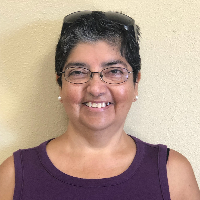
Hamida Parkar
AASW
AASW social worker - family origin and anxiety focus
- Stress, Anxiety
- Relationship
- Trauma and abuse
Family of origin directory
5,153 therapists list coping with life changes among the things they work with. All offer sessions online, and every profile shows the registering body, the membership number and when it runs to.
On this page you will find therapists who focus on coping with life changes, including transitions such as relationship shifts, career moves, loss, and adjustment to new roles. Browse the listings below to compare approaches, experience, languages, and areas of focus that may align with what you need.
AASW
AASW social worker - family origin and anxiety focus
LMHC
Licensed Mental Health Counselor - Relationships and Trauma
LMHC
Florida LMHC - Family of origin and mood concerns
LPC
Licensed Professional Counselor - Anxiety and Family issues
BACP
Psychodynamic psychotherapist - family and relationships
BACP
BACP counsellor - family of origin and relationships
BACP
BACP counsellor specialising in family patterns and stress
BACP
BACP counsellor - relationships and family issues
LPC
Licensed Professional Counselor - Relationships and Family Issues
LISW-CP
Licensed social worker - family patterns and relationships
LPC
Licensed Professional Counselor - Stress and Relationships
BACP
BACP counsellor - family of origin and relationships
LPCC
LPCC in Kentucky - Addictions and Family concerns
LMFT
LMFT in California - family origins and relationships
LCSW
Licensed Clinical Social Worker - Stress and Relationships
LCSW, CSW
LCSW in Colorado - family of origin and relationships
LPC
Licensed Professional Counselor - Family patterns, relationships
LCSW
Licensed Clinical Social Worker - Stress and Addiction
BACP
UK counsellor - family patterns and trauma
LPC
LPC in Texas - Family of origin and relationships
LCSW
LCSW - Family of origin and relationship concerns
AHPRA
AHPRA clinician specialising in family patterns and anxiety
AASW
AASW social worker - relationships and anxiety
LMFT
LMFT in Florida - relationships and family issues
LPC, LMHC
Licensed LPC/LMHC - Family patterns and anxiety
LCPC
Licensed Clinical Professional Counselor - family of origin issues
LPC
Licensed Professional Counselor - Relationships and Identity
LPC
Licensed Professional Counselor - Family patterns and stress
LCSW, CSW
Licensed Clinical Social Worker - Family and stress
BACP
BACP counsellor - relationships and family concerns
LICSW
LICSW in Minnesota - Family of origin and trauma
LPC
Licensed Professional Counselor - Family patterns and anxiety
LCSW
Licensed Clinical Social Worker - Stress and Life Changes
LPC
LPC in Texas - relationships and family concerns
BACP
BACP counsellor - family of origin and relationships
LPCC
LPCC in Ohio - Family of origin and mood concerns
AZ Psychologist
AZ Psychologist - relationships and coping
Some links on this page are partner links. We will earn a commission if you sign up through one, at no cost to you. It does not change what you pay or the order of the listings.
Life changes are a normal part of human experience, yet they can still leave you feeling unmoored, overwhelmed, or unsure how to move forward. Whether the change is anticipated, like a planned relocation or a career promotion, or unexpected, like a breakup, health concern, or the death of someone close, the emotional and practical consequences can be wide-ranging. You may experience disruptions to routine, shifts in identity, or altered relationships that require new ways of thinking and acting. Adjusting to a new phase of life often involves grieving what came before and relearning how to meet your needs within a different context.
These transitions can affect many areas of life all at once - your sense of purpose, your social network, your daily habits, and your capacity for self-care. Physical symptoms such as sleep disturbance, changes in appetite, or increased tension are common, as are cognitive and emotional reactions like rumination, decision fatigue, or a persistent sense of uncertainty. Recognizing that these responses are often part of adaptation can help you approach change with more patience and realistic expectations. Therapy focused on coping with life changes aims to help you regain footing, clarify priorities, and build practical strategies for navigating the new landscape.
Deciding to seek therapy is a personal choice, and there are some signs that it may be especially helpful when you are dealing with change. If you find that daily tasks feel disproportionately difficult, that you are isolating yourself from friends or family, or that your mood is interfering with work or relationships, those are indicators that extra support could be useful. Persistent sleep disruption, difficulty concentrating, or repeated cycles of anxiety about the future are other signals that you may benefit from a focused process of adjustment.
You might also consider therapy if you notice patterns repeating across different transitions - for example, overwhelming worry at every new beginning, recurring conflict when roles shift, or a tendency to minimize your own needs during major life events. Therapy can provide a space to examine those patterns, understand their origins, and experiment with new responses. If you are feeling stuck between what you used to be and who you are becoming, a therapist can help you map the path forward and develop strategies to manage emotional and practical challenges that come with change.
Early sessions typically focus on building rapport and clarifying what brought you to therapy. You and your therapist will talk about the specific change you are facing, how it is showing up in your life, and what you hope to get from the work. That may include concrete goals such as improving sleep or reducing conflict, alongside broader aims like strengthening resilience or rediscovering meaning. Your therapist will likely ask about your history, current supports, and practical constraints so that goals can be realistic and tailored to your circumstances.
As therapy progresses, you can expect to explore both your internal experience and the external tasks needed to adapt. Sessions often combine emotional processing with practical problem solving - learning to tolerate difficult feelings while experimenting with new behaviors. The pace and focus will depend on your needs; some people benefit from shorter-term, skills-oriented work that helps manage acute transition stress, while others engage in deeper exploration of identity, values, and long-standing patterns that influence how they navigate change.
Your therapist may encourage homework or between-session experiments to apply new strategies in real-world situations. Therapy also serves as a reflective space where you can rehearse conversations, plan decisions, and test assumptions. Over time, many people find that they develop clearer priorities, stronger coping skills, and more confidence in facing future transitions.
There is no single approach that fits everyone, and therapists often draw from multiple methods to match your needs. Cognitive behavioral approaches focus on identifying unhelpful thoughts and testing them in everyday life to reduce distress and increase problem-solving capacity. Acceptance-oriented methods emphasize noticing thoughts and feelings without judgment and committing to actions aligned with your values even when emotions are difficult. Narrative or meaning-centered approaches help you reframe and integrate the story of a life transition so that it becomes part of your broader life narrative.
Some therapists work from psychodynamic perspectives that explore how past relationships and early experiences shape your reactions to change. Others use family systems ideas to consider how shifts in one person’s role affect the broader network of relationships. You will also find therapists who list techniques such as mindfulness, emotion-focused work, or grief-informed care among their approaches. On this directory you can view therapists who list these orientations among their approaches and read descriptions of how they apply them in practice. Because the presence of an approach on a profile does not itself indicate specific training, you may want to ask therapists about how they use particular methods in session when you connect with them.
Online therapy has become a common option for people managing transitions that may make in-person attendance difficult, such as relocation, caregiving responsibilities, or variable work hours. Through video calls, phone sessions, or messaging formats, you can meet with a therapist from a location that is convenient for you. The online setting can make it easier to maintain continuity of care during moves or when you are balancing multiple commitments. It also allows you to select a therapist whose experience and approach match your needs regardless of geography.
When considering online therapy, think about the practical aspects that matter to you - for example, whether you prefer video interaction or find phone sessions more comfortable, how you will create a focused space at home for sessions, and what times of day work best with your routine. You may want to discuss with potential therapists how they structure remote sessions, handle brief check-ins outside of appointments, and integrate digital resources or worksheets into the work. Online therapy can support the same kinds of goals as in-person work - emotional processing, behavioral experiments, and planning - while offering flexibility that can be especially helpful during periods of change.
Finding a good fit is about more than credentials - you will want a therapist whose approach and experience resonate with your goals. Start by clarifying what kind of support you want: Do you want short-term practical tools, deeper exploration of identity, help managing grief, or assistance navigating relational shifts? Look at therapist profiles to compare the approaches they describe, the populations they mention, and the languages they offer. Many profiles indicate experience with life transitions broadly as well as with specific changes like retirement, parenting transitions, immigration, or bereavement.
When you reach out to a therapist, think about questions that matter to you: how they conceptualize the transition you are facing, what a typical session might look like, and what kinds of progress you can reasonably expect. It is appropriate to ask how they adapt their methods for online work and how they collaborate with you to set goals. Trust your sense of how they listen and respond - effective therapy depends not only on technique but on a working connection that supports exploration and change. Over time you will develop a clearer sense of whether a particular approach helps you manage the practical demands of transition while attending to your emotional needs.
Facing life changes can feel destabilizing, but it can also open a space for new growth, values clarification, and renewed direction. Therapy offers a structured way to navigate the emotional and logistical complexities of transitions, giving you tools to cope now and to build resilience for changes to come. Use the listings above to explore profiles and approaches that align with your needs so you can take a considered step forward when you are ready.