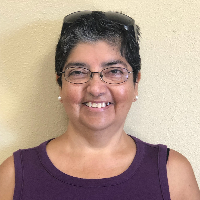
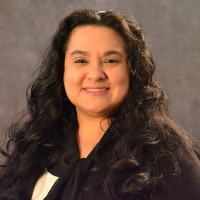
Hamida Parkar
AASW
AASW social worker - family origin and anxiety focus
- Stress, Anxiety
- Relationship
- Trauma and abuse
Family of origin directory
2,948 therapists list domestic violence among the things they work with. All offer sessions online, and every profile shows the registering body, the membership number and when it runs to.
This directory lists therapists who identify domestic violence as a focus in their practice, with information on approaches, credentials and languages. Browse the listings below to find professionals who address intimate partner harm and related trauma.
AASW
AASW social worker - family origin and anxiety focus
LMHC
Florida LMHC - Family of origin and mood concerns
LPC
Licensed Professional Counselor - Anxiety and Family issues
PACFA
PACFA counsellor - Family of origin and relationships
BACP
BACP counsellor - family of origin and relationships
BACP
BACP counsellor specialising in family patterns and stress
BACP
BACP counsellor - relationships and family issues
LISW-CP
Licensed social worker - family patterns and relationships
LMFT
LMFT in California - family origins and relationships
NCPS
NCPS counsellor - relationships and family patterns
LCSW, CSW
LCSW in Colorado - family of origin and relationships
LPC
Licensed Professional Counselor - Anxiety and Depression
LCSW
Licensed Clinical Social Worker - Stress and Addiction
BACP
UK counsellor - family patterns and trauma
LPC
LPC in Texas - Family of origin and relationships
AASW
AASW social worker - relationships and trauma
AHPRA
AHPRA clinician specialising in family patterns and anxiety
AASW
AASW social worker - relationships and anxiety
LPC, LMHC
Licensed LPC/LMHC - Family patterns and anxiety
LPC
Licensed Professional Counselor - Relationships and Identity
LPC
Licensed Professional Counselor - Family patterns and stress
BACP
BACP counsellor - relationships and family concerns
LICSW
LICSW in Minnesota - Family of origin and trauma
LPC
Licensed Professional Counselor - Family patterns and anxiety
LPC
LPC in Texas - relationships and family concerns
LPCC
LPCC in Ohio - Family of origin and mood concerns
BACP
BACP counsellor - family of origin and relationships
AZ Psychologist
AZ Psychologist - relationships and coping
LCSW
LCSW focused on relationships and family patterns
BACP
Counsellor - Relationships and Family of origin issues
BACP
BACP counsellor - family and relationship focus
AASW
AASW social worker - family of origin and mood concerns
LCPC, LMHC
Rev. Sergio Ayala - LCPC, LMHC; stress and family concerns
BACP
BACP counsellor - family and relationship concerns
BACP
Counsellor for family of origin patterns and anxiety
LMFT
California LMFT - Family of origin and mood concerns
BACP, NCPS
Counsellor - relationships and anxiety
LISW
LISW in Ohio - family pattern and coping support
LPC
Licensed Professional Counselor - Relationships and Trauma
Some links on this page are partner links. We will earn a commission if you sign up through one, at no cost to you. It does not change what you pay or the order of the listings.
Domestic violence is a pattern of behaviors used to gain or maintain power and control in an intimate relationship. Those behaviors can include physical harm, emotional abuse, sexual coercion, financial control, stalking and patterns of coercive control. You may experience more than one of these forms of harm at the same time, and the impact often extends beyond the immediate incidents to affect daily functioning, self-image and relationships with family and friends.
The effects of domestic violence can show up in many ways. You might notice heightened anxiety, trouble sleeping, intrusive memories, difficulty concentrating at work or shifts in your appetite. Emotional reactions such as shame, anger, numbness or persistent worry are common. If you are parenting, the stress can also affect how you relate to children and the routines that help keep a household running. Financial manipulation or housing instability can make practical planning more difficult, and interactions with legal or healthcare systems may feel overwhelming.
People who use abusive behavior are also affected and may seek help to change patterns, manage anger, and learn accountability. Whether you are seeking support as someone harmed by a partner, as a family member, or as a person wanting to stop using harm, therapy can be part of a broader plan to increase safety, stabilize daily life and work toward clearer goals for relationships.
You may benefit from speaking with a therapist if you find that experiences in your relationship are interfering with your sense of safety, well-being or daily functioning. Signs that therapy may help include persistent fear around a partner, repeated injuries, ongoing manipulation or control that limits your choices, and emotional reactions that feel unmanageable. You might also seek support for trouble sleeping, sudden changes in mood, increased substance use as a way to cope, or social withdrawal from friends and family.
Therapy can also help when you are trying to navigate the aftermath of an abusive relationship - processing what happened, rebuilding trust in yourself and others, and managing interactions with legal or child welfare systems. If you are worried about an escalating pattern of behavior, or if you live with ongoing threats or stalking, immediate practical steps and crisis resources should be your first priority. If you are in immediate danger, contact emergency services or a local crisis line for urgent assistance.
If you are the person using violence, reaching out for professional help can be a step toward accountability and change. Therapy can support you in identifying triggers, learning alternative responses, and addressing underlying issues that contribute to harmful behavior. This work should be combined with accountability measures and, where appropriate, coordination with other supports and legal requirements.
When you begin therapy for domestic violence-related concerns, the first sessions typically focus on understanding your current situation, identifying immediate safety needs, and setting goals. A therapist will usually ask about recent events, relationship history, physical and emotional impacts, and any ongoing risks. This initial phase helps create a plan that addresses urgent needs while respecting your priorities and timeline.
Safety planning is often a part of early work. That might include steps to reduce immediate risk, options for where to go in an emergency, and strategies for protecting important documents and finances. You can expect the therapist to discuss boundaries for communication and to coordinate with other professionals if you request that support, such as legal advocates or community resources. Therapists can also help you develop coping strategies to manage overwhelming emotions, reduce reactivity, and regain a sense of control over daily tasks.
Over time, therapy may address trauma-related reactions through stabilization skills, emotion regulation techniques, and trauma processing when you and your therapist agree it is appropriate. You might work on rebuilding trust in yourself, repairing relationships with family members, or enhancing skills for setting and maintaining boundaries. Therapists will typically tailor interventions to your goals, whether you are seeking short-term stabilization, longer-term trauma work, or support for parenting and co-parenting after separation.
A range of approaches can be used in work related to domestic violence. You will encounter therapists who list trauma-focused cognitive behavioral approaches among their methods, and others who note exposure-based or narrative-informed work. Some therapists list EMDR among their approaches, while others highlight mindfulness-based skills, acceptance strategies or motivational interviewing for behavior change. Group programs and support groups focused on survivors or on accountability for people who use harm are also common parts of the broader service landscape.
When violence has been ongoing or there is an active power imbalance, traditional couples therapy can be harmful rather than helpful. Couples-based work is generally recommended only when both partners are safe from imminent harm and when power dynamics have been directly addressed. Many clinicians who list couples approaches will still emphasize safety screening and collaboration with specialized domestic violence advocates before engaging in joint sessions.
Cultural context and gender dynamics matter in this work. You may prefer a therapist who lists cultural competence, working with particular communities, or multilingual services among their attributes. The language therapists use to describe their approaches can give you a sense of whether their perspective aligns with your needs - for example, whether they emphasize empowerment, trauma-informed care, behavior change, or systems-level advocacy.
Online therapy can be a practical option for people affected by domestic violence, offering flexibility in scheduling and access to clinicians who specialize in this area beyond your immediate geographic area. Sessions may take place by video, phone or messaging depending on the clinician's practices. Before starting, it is important to plan for your personal safety - that means choosing a time and place where you will not be overheard, using a personal device and a network you trust, and discussing with the therapist how to manage interruptions or unexpected contact during a session.
Therapists typically describe their practice, credentials and the approaches they use on their listings. When reviewing profiles, look for clinicians who list domestic violence or intimate partner violence among their specialties and who note relevant approaches or experience with trauma, legal advocacy coordination or family dynamics. Consider practical factors such as the languages they offer, their stated work with survivors or with people seeking to change harmful behaviors, and any mention of collaboration with community resources like shelters or legal advocates.
When you contact a potential therapist, you can ask about how they handle safety planning in remote work, how they coordinate with local supports, and what you might expect in early sessions. If you have concerns about ongoing risk, mention these early so the clinician can prioritize immediate safety steps. You may also want to ask about their experience working with your cultural background or with issues like parenting after separation, financial abuse, or interactions with the legal system.
Choosing a therapist is a personal decision. Trust your instincts about cultural fit, communication style and whether a clinician listens and responds in ways that feel respectful and validating. You may try a few conversations before deciding who to work with long term. Therapy can be one part of a broader support network that also includes friends, family, advocates and community services that specialize in domestic violence response and safety planning.
If you are facing immediate danger, contact emergency services or local crisis resources right away. If you are planning to seek therapy, take steps to protect your day-to-day safety as you explore listings, and look for therapists who describe experience with domestic violence, trauma-informed approaches and collaboration with community supports. Finding a clinician who understands the complexities of intimate partner harm can help you shape a path forward that prioritizes safety, healing and practical steps for rebuilding stability.