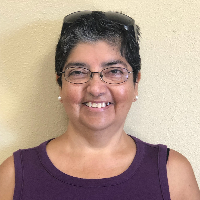
Hamida Parkar
AASW
AASW social worker - family origin and anxiety focus
- Grief
- Stress, Anxiety
- Relationship
Family of origin directory
4,650 therapists list grief among the things they work with. All offer sessions online, and every profile shows the registering body, the membership number and when it runs to.
This page lists therapists who focus on grief and bereavement, with information about their approaches, credentials, languages, and areas of focus. Browse the listings below to review profiles and find practitioners whose experience aligns with the kind of support you want.
AASW
AASW social worker - family origin and anxiety focus
LMHC
Florida LMHC - Family of origin and mood concerns
LPC
Licensed Professional Counselor - Anxiety and Family issues
BACP
Psychodynamic psychotherapist - family and relationships
BACP
BACP counsellor - family of origin and relationships
BACP
BACP counsellor specialising in family patterns and stress
BACP
BACP counsellor - relationships and family issues
LPC
Licensed Professional Counselor - Relationships and Family Issues
LPC
Licensed Professional Counselor - Stress and Relationships
BACP
BACP counsellor - family of origin and relationships
LMFT
LMFT in California - family origins and relationships
NCPS
NCPS counsellor - relationships and family patterns
LCSW, CSW
LCSW in Colorado - family of origin and relationships
BACP
BACP counsellor - family of origin concerns
LPC
LPC in Alabama - family of origin and mood concerns
LCSW
LCSW - Family of origin and relationship concerns
AASW
AASW social worker - relationships and trauma
AHPRA
AHPRA clinician specialising in family patterns and anxiety
AASW
AASW social worker - relationships and anxiety
LPC, LMHC
Licensed LPC/LMHC - Family patterns and anxiety
BACP
BACP counsellor - relationships and family concerns
LICSW
LICSW in Minnesota - Family of origin and trauma
LPC
Licensed Professional Counselor - Family patterns and anxiety
LCSW
Licensed Clinical Social Worker - Stress and Life Changes
BACP
BACP counsellor - family of origin and relationships
LPC
LPC in Texas - family of origin and trauma concerns
LPCC
LPCC in Ohio - Family of origin and mood concerns
BACP
BACP counsellor - family of origin and relationships
AZ Psychologist
AZ Psychologist - relationships and coping
LCSW
LCSW focused on relationships and family patterns
ACA
ACA counsellor - relationships and family patterns
BACP
Counsellor - Relationships and Family of origin issues
LPC
Licensed Professional Counselor - family of origin, relationships
Some links on this page are partner links. We will earn a commission if you sign up through one, at no cost to you. It does not change what you pay or the order of the listings.
Grief is a highly personal process that can follow many kinds of loss - the death of a loved one, the end of a relationship, job loss, changes in health, or other life transitions. It affects thoughts, feelings, and behavior and can surface as intense sadness, anger, relief, guilt, numbness, or a mixture of emotions. You may notice changes in appetite, sleep, concentration, or motivation. Grief may appear in waves rather than a steady decline, and reminders of the loss can trigger sudden, powerful emotions even long after the initial event.
People often expect grief to follow a predictable timeline, but in reality it varies widely. Cultural background, your relationship to what was lost, previous experiences of loss, and current life stressors all shape how you grieve. Some people find meaning or growth through the process, while others feel overwhelmed by ongoing symptoms. The experience can include practical challenges too - reorganizing daily routines, navigating family roles, or handling legal and financial matters. Recognizing that grief can be complex and uneven is an important first step toward finding the kind of support that fits your needs.
You might consider seeking professional support when grief is making it difficult to manage everyday responsibilities, maintain relationships, or function at work or school. If intense emotions persist for months without relief, if you are unable to perform routine tasks, or if important aspects of your life are being neglected, therapy can offer structured help. Persistent feelings of hopelessness or severe withdrawal from social activities are also signals that additional support could be helpful.
Grief can show up as recurring intrusive thoughts, nightmares, or preoccupation with the circumstances of the loss. You might notice an increase in risky behaviors, substance use, or physical complaints like chronic pain or fatigue that do not have a clear medical cause. If you experience thoughts of harming yourself or others, seeking immediate help from emergency services or a crisis helpline is critical. In less urgent situations, therapy provides a space to process emotions, learn coping strategies, and address how grief interacts with your mental and physical wellbeing.
When you begin grief-focused therapy, the first sessions usually involve exploring the nature of your loss, your relationship to what was lost, and the ways grief is affecting you now. You and the therapist will discuss your goals for therapy and identify what kind of support feels most useful - whether that is emotional processing, practical problem solving, rebuilding routines, or making sense of the loss. The pace is tailored to your needs so that difficult memories and emotions are approached in a way that feels manageable.
Therapy often combines talking through memories and feelings with concrete strategies to help you cope between sessions. You may work on skills to manage intense emotions, improve sleep and daily structure, or repair strained relationships. Some clinicians use guided exercises to remember and honor a loved one, while others focus on meaning-making and future planning. Progress can be uneven and non-linear; some sessions may feel like breakthrough moments while others involve quieter, steady work. A therapist can also help you connect with community resources, bereavement groups, or supportive practices that complement one-on-one work.
Grief therapy can draw on a range of therapeutic approaches, and you will find therapists who list different orientations among their methods. Therapists who list cognitive-behavioral approaches often help you identify and shift unhelpful thought patterns and build coping skills to reduce distress. Those who list narrative therapy focus on how the story of the loss is told and help you rewrite parts of that narrative to integrate the loss into your life in a way that feels meaningful.
There are therapists who list emotion-focused or experiential approaches that prioritize processing feelings in the therapy session itself, sometimes using guided imagery or memory-based exercises to process attachment and separation. You may also find therapists who list interpersonal approaches that center on how relationships and social supports shape grief, helping you navigate changes in family and community roles. Some therapists list approaches such as meaning-centered or existential therapy, which invite exploration of values, purpose, and questions that emerge after a major loss. For particular symptom profiles, you might encounter therapists who list EMDR among their approaches - that phrasing indicates they include that modality in their toolkit rather than a statement about certification. Different approaches can be combined, and choosing a therapist often involves finding someone whose stated methods align with how you prefer to work.
Online therapy for grief offers a way to meet with a clinician from home or another comfortable environment. Sessions are usually scheduled for a set length of time and follow a structure similar to in-person work - intake conversations, goal setting, emotional processing, and skill building. You may use video conferencing, phone calls, or messaging depending on the practitioner and the format they offer. Technology allows for continuity of care when travel or mobility are concerns, and it can expand the range of therapists you can connect with across regions and languages.
When you plan for online sessions, think about choosing a quiet, distraction-free place where you feel comfortable discussing sensitive material. It can help to test your technology in advance, have a list of topics or questions ready, and discuss session logistics and communication preferences at the outset. If practical needs arise - for example, coordinating times that work across time zones or handling interruptions at home - bring those topics into the conversation so the therapist can help you design workable solutions.
When you review therapist profiles, pay attention to areas of focus, the approaches listed, and professional credentials. Look for clinicians who explicitly mention work with bereavement, loss, or related concerns such as traumatic death, complicated grief, or life transitions if those match your situation. Notice language and cultural references in profiles that suggest the therapist understands your background or the kinds of rituals and meaning-making that are important to you. Consider the modalities therapists list and whether they align with how you like to process - whether you prefer more skill-based strategies, emotion-focused work, narrative exploration, or a combination.
Questions to bring to an initial conversation include how the therapist typically structures grief work, how they approach memorialization and memory work, and how they help clients manage intense reactions between sessions. Ask about the languages offered, the therapist's experience with your particular kind of loss, and how they integrate practical supports like referrals to community resources or group programs. Trust your sense of fit - the relationship you form with a therapist is a key part of the process. It is reasonable to explore a few profiles and reach out to practitioners whose descriptions resonate with the kind of support you are seeking.
Grief is a deeply human response and there is no single right way to move through it. Whether you seek short-term guidance around a particular challenge or longer-term support to process complicated feelings, finding a therapist whose approach and communication style align with your needs can help you navigate loss with more clarity and care.