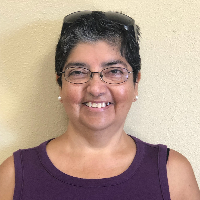
Hamida Parkar
AASW
AASW social worker - family origin and anxiety focus
- Stress, Anxiety
- Relationship
- Trauma and abuse
Family of origin directory
5,101 therapists list trauma and abuse among the things they work with. All offer sessions online, and every profile shows the registering body, the membership number and when it runs to.
This directory page lists clinicians who focus on trauma and abuse, with profiles that highlight their approaches, credentials, languages and areas of experience. Use the listings below to explore therapists whose focus aligns with what you are seeking.
AASW
AASW social worker - family origin and anxiety focus
LMHC
Licensed Mental Health Counselor - Relationships and Trauma
LMHC
Florida LMHC - Family of origin and mood concerns
LPC
Licensed Professional Counselor - Anxiety and Family issues
PACFA
PACFA counsellor - Family of origin and relationships
BACP
Psychodynamic psychotherapist - family and relationships
BACP
BACP counsellor - family of origin and relationships
BACP
BACP counsellor - relationships and family issues
LPC
Licensed Professional Counselor - Relationships and Family Issues
LPC
Licensed Professional Counselor - Stress and Relationships
LPC
Licensed Professional Counselor - Family and relationship concerns
BACP
BACP counsellor - family of origin and relationships
LPCC
LPCC in Kentucky - Addictions and Family concerns
LMFT
LMFT in California - family origins and relationships
NCPS
NCPS counsellor - relationships and family patterns
LCSW, CSW
LCSW in Colorado - family of origin and relationships
BACP
BACP counsellor - family of origin concerns
LPC
Licensed Professional Counselor - Anxiety and Depression
LCSW
Licensed Clinical Social Worker - Stress and Addiction
BACP
UK counsellor - family patterns and trauma
LPC
LPC in Alabama - family of origin and mood concerns
LPC
LPC in Texas - Family of origin and relationships
LCSW
LCSW - Family of origin and relationship concerns
AASW
AASW social worker - relationships and trauma
AHPRA
AHPRA clinician specialising in family patterns and anxiety
AASW
AASW social worker - relationships and anxiety
LMFT
LMFT in Florida - relationships and family issues
LPC, LMHC
Licensed LPC/LMHC - Family patterns and anxiety
LCPC
Licensed Clinical Professional Counselor - family of origin issues
LCSW
LCSW in California - relationships and parenting
LPC
Licensed Professional Counselor - Relationships and Identity
BACP
BACP counsellor - relationships and family concerns
LICSW
LICSW in Minnesota - Family of origin and trauma
LPC
Licensed Professional Counselor - Family patterns and anxiety
LPC
LPC in Texas - relationships and family concerns
BACP
BACP counsellor - family of origin and relationships
LPC
LPC in Texas - family of origin and trauma concerns
LPCC
LPCC in Ohio - Family of origin and mood concerns
AZ Psychologist
AZ Psychologist - relationships and coping
Some links on this page are partner links. We will earn a commission if you sign up through one, at no cost to you. It does not change what you pay or the order of the listings.
Trauma and abuse describe experiences that overwhelm a person’s usual ability to cope and can leave lasting impressions on how you think, feel and relate to others. Trauma ranges from single events such as accidents or assaults to repeated harm over time such as emotional, physical or sexual abuse, neglect or persistent threats. Developmental trauma that occurs in childhood often shapes attachment patterns and sense of self, while later-life traumatic events can retrigger old wounds or create new challenges. You may notice changes in your mood, energy, sleep and relationships as a result of these experiences.
The effects of trauma can show up in many ways that may not be obvious at first. Some people experience vivid memories or flashbacks, while others find themselves avoiding thoughts, places or people that remind them of the experience. Emotions can feel intense or muted, and day-to-day functioning may be interrupted by hypervigilance, difficulty concentrating or physical symptoms without a clear medical cause. Recognizing these reactions as responses to overwhelming experience can be the first step toward finding ways to feel steadier and regain a sense of control.
If you are wondering whether therapy might help, notice any patterns in how you respond to stress, relationships and memories of past events. You may benefit from talking with a clinician if intrusive thoughts or images return repeatedly, if you find yourself avoiding places or conversations that feel threatening, or if you struggle with persistent anxiety, panic attacks or sleep disruption tied to past harm. Changes in appetite, chronic fatigue, sudden shifts in mood or ongoing feelings of shame and guilt are also common reactions that people bring into therapy.
Trauma impacts relationships as well, so difficulty trusting others, repeated conflicts, or patterns of withdrawal can be signs that past experiences are influencing current connections. You may also find that coping strategies that once helped - such as substance use, overworking or dissociation - have started to create additional problems. Therapy for trauma and abuse is typically aimed at helping you understand these patterns, learn skills to regulate distress and develop new strategies for safety and connection.
When you begin trauma-focused therapy, a clinician will usually take time to understand your history, current concerns and goals so that they can tailor the work to your needs. Early sessions often focus on building a predictable structure, establishing coping strategies and creating a comfortable environment where you can name priorities for the work ahead. Therapeutic progress tends to be paced to your readiness; some people move quickly into processing memories while others spend extended periods on stabilization and resource-building before addressing painful material.
Many therapy paths include stages that start with teaching practical skills for managing distress, such as grounding exercises, breathing techniques and ways to notice and name sensations in your body and emotions. These skills are designed to help you tolerate difficult feelings when they arise and to feel more present and anchored in sessions and daily life. When you and your clinician agree the time is right, you may move into deeper processing of memories and meanings attached to past events. Processing can take many forms - talking through experiences, recreating narratives in different ways, working with bodily sensations or using imagery - and often aims to help you integrate the experience into a broader narrative of who you are now.
You will likely encounter different therapeutic language and methods across clinicians. Some therapists use frameworks that focus on thought patterns and behavior, while others emphasize the role of the body, relationships or life story. It is common to find clinicians who list EMDR among their approaches, as well as therapists who list CBT among their approaches, those who mention somatic or sensorimotor work, and clinicians who describe attachment-focused or psychodynamic perspectives. None of these labels tells the whole story about how a clinician will work with you, so it is useful to read profiles and ask about how an approach is applied to trauma and abuse during an initial contact.
Online therapy can make it easier for you to access clinicians who focus on trauma and abuse by expanding the pool of professionals beyond your immediate area. Sessions usually take place via video or audio calls and can allow you to work from a place where you feel comfortable. Before beginning, you will want to set up a quiet, interruption-free environment and check that your device and connection support the video platform the clinician uses. Discussing technology preferences and emergency planning with a clinician helps set expectations and ensures that both of you have a plan if a session becomes highly distressing.
Online formats can be adapted for trauma work with attention to pacing and safety. Clinicians often integrate grounding and regulation practices into virtual sessions and may give you tools to use between meetings. For some people, working online reduces barriers to speaking about difficult material, while others prefer in-person sessions, particularly if they want a therapist-presence that feels physically proximate. You can look at profiles to identify clinicians who list online or teletherapy among their approaches and read how they describe their methods for remote trauma work to decide what feels like the best fit.
When you review clinician profiles, pay attention to how they describe their focus areas, therapeutic approaches, languages and relevant experience. Read carefully to understand whether their stated methods align with what you are seeking and how they talk about safety, pacing and collaboration. Some clinicians will describe the populations they work with most often - such as survivors of childhood abuse, intimate partner violence or military trauma - which can help you find someone who has experience with issues similar to your own. Remember that a clinician listing an approach does not guarantee a particular outcome; use descriptions to form questions you can ask before committing to a series of sessions.
Before you schedule a first appointment, think about what matters most to you in the therapeutic relationship. You may wish to ask how a clinician typically balances skill-building with processing, how they approach pacing around difficult memories and what kinds of strategies they use when distress escalates. Inquire about their experience working with people who share similar backgrounds or identities to yours, and ask about languages offered and the practicalities of session length and format. It can also be helpful to reflect on preferences such as a more directive versus exploratory style, and whether you prefer a clinician who emphasizes body-focused work, narrative reconstruction or relational patterns.
Choosing a therapist is a personal decision and often involves trying a few conversations before you find a match. Pay attention to how you feel in early interactions - whether you feel heard, whether explanations make sense for you, and whether the clinician outlines a clear, collaborative plan for the work. Therapy for trauma and abuse is a process that centers your safety and goals, and taking time to find a clinician whose approach resonates with you can make the process more effective and more comfortable.