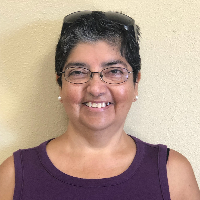
Hamida Parkar
AASW
AASW social worker - family origin and anxiety focus
- Stress, Anxiety
- Relationship
- Trauma and abuse
Family of origin directory
4,623 therapists list women's issues among the things they work with. All offer sessions online, and every profile shows the registering body, the membership number and when it runs to.
Browse profiles of therapists who list women's issues among their specialties, including reproductive health, life transitions, body image, and relationship concerns. Use the filters below to explore approaches, credentials, languages and experience to find a good fit.
AASW
AASW social worker - family origin and anxiety focus
LMHC
Florida LMHC - Family of origin and mood concerns
LPC
Licensed Professional Counselor - Anxiety and Family issues
PACFA
PACFA counsellor - Family of origin and relationships
BACP
Psychodynamic psychotherapist - family and relationships
BACP
BACP counsellor - family of origin and relationships
BACP
BACP counsellor specialising in family patterns and stress
BACP
BACP counsellor - relationships and family issues
LPC
Licensed Professional Counselor - Relationships and Family Issues
LISW-CP
Licensed social worker - family patterns and relationships
LPC
Licensed Professional Counselor - Stress and Relationships
BACP
BACP counsellor - family of origin and relationships
LCSW
Licensed Clinical Social Worker - Stress and Relationships
LCSW, CSW
LCSW in Colorado - family of origin and relationships
LPC
Licensed Professional Counselor - Family patterns, relationships
LCSW
Licensed Clinical Social Worker - Stress and Addiction
BACP
UK counsellor - family patterns and trauma
LPC
LPC in Alabama - family of origin and mood concerns
LPC
LPC in Texas - Family of origin and relationships
AASW
AASW social worker - relationships and trauma
AHPRA
AHPRA clinician specialising in family patterns and anxiety
LMFT
LMFT in Florida - relationships and family issues
LPC, LMHC
Licensed LPC/LMHC - Family patterns and anxiety
LCPC
Licensed Clinical Professional Counselor - family of origin issues
LCSW
LCSW in California - relationships and parenting
LPC
Licensed Professional Counselor - Relationships and Identity
LCSW, CSW
Licensed Clinical Social Worker - Family and stress
LICSW
LICSW in Minnesota - Family of origin and trauma
LPC
Licensed Professional Counselor - Family patterns and anxiety
LCSW
Licensed Clinical Social Worker - Stress and Life Changes
LPC
LPC in Texas - relationships and family concerns
LPC
LPC in Texas - family of origin and trauma concerns
LPCC
LPCC in Ohio - Family of origin and mood concerns
BACP
BACP counsellor - family of origin and relationships
Some links on this page are partner links. We will earn a commission if you sign up through one, at no cost to you. It does not change what you pay or the order of the listings.
When people talk about women's issues in therapy they are referring to a broad set of emotional, relational and life-stage matters that often intersect with gendered experiences. You may be seeking support for reproductive events such as infertility, pregnancy loss, postpartum adjustment or menopause. You may also be navigating pressures around body image, societal expectations, caregiving roles, career decisions and identity development. For many people these concerns are shaped by cultural messages, family dynamics and the stresses of balancing multiple responsibilities.
How women's issues affect you will depend on your history, current circumstances and the particular stressors you face. For some, symptoms show up as persistent anxiety, low mood, difficulty trusting others, or strained relationships. Others notice changes in self-esteem, disruptions to sleep or appetite, or a sense of being overwhelmed by transitions. Because these experiences are often intertwined - for example, a reproductive challenge can surface grief, relationship strain and questions about life purpose - therapy that understands the full context can be especially helpful.
You might consider seeking a therapist if everyday functioning becomes harder or if an issue that feels manageable on its own keeps resurfacing. If stress related to pregnancy, parenting, fertility, menopause, body image or relationship roles is affecting your concentration at work, your enjoyment of relationships, or your sense of self, that is a meaningful sign. Emotional reactions like persistent sadness, racing thoughts, panic, or feeling emotionally numb are common indicators that additional support could help.
Another sign is when patterns from earlier relationships or family life repeat in ways that create distress now. If you notice recurring conflicts, avoidance of intimacy, or difficulties asserting boundaries, therapy can offer a space to explore those patterns and practice different ways of relating. You do not need a diagnosis to benefit from therapy; many people pursue therapy to process transitions, gain coping tools, or make values-based decisions about health, career and relationships.
When you begin working with a therapist who lists women's issues among their specialties, the process typically starts with an intake conversation that explores your current concerns, history and goals. You and the therapist will talk about what matters most to you now, any prior experiences with therapy, and practical details such as session structure and communication preferences. The early phase is an opportunity to build rapport and to create a working plan that reflects your priorities.
Over subsequent sessions you can expect a mix of listening, reflection and concrete strategies. Therapy may involve processing emotions related to loss or transition, learning stress management and grounding techniques, exploring how cultural and family expectations shape your choices, and practicing communication and boundary-setting skills. The pace and focus will be adjusted to your needs; some people benefit from a more exploratory, insight-oriented approach while others prefer practical skill-building to manage symptoms and situations.
You and your therapist typically set goals together so progress is measured against what matters to you. Goals might include reducing anxiety around medical procedures, improving relationship communication, rebuilding self-esteem after a life change, or exploring identity and role transitions. Regular check-ins on these goals help you notice change and refocus the work when priorities shift.
Therapists who list women's issues among their approaches draw on a range of methods to address emotional and relational concerns. Some focus on cognitive and behavioral strategies to help you identify unhelpful thought patterns and develop coping skills for anxiety or depressive symptoms. Others emphasize relational and family-based perspectives to explore how your early attachments and current relationships influence your patterns. There are also therapists who center trauma-informed care to help people process past traumas that continue to affect present-day functioning.
It is common to find therapists who mention mindfulness, psychoeducation, emotion-focused work, or narrative approaches among their tools. When a therapist lists a modality such as EMDR, somatic techniques or internal family systems among their approaches, that indicates they offer those perspectives and methods as part of their work. You can ask how any particular approach would be applied to your situation and whether it aligns with your preferences for insight-oriented exploration, skills training, or body-aware methods.
The choice of approach often reflects both the therapist's orientation and the issues you bring. If you are coping with intense emotion after a reproductive loss, a therapist may prioritize grief work and stabilization techniques. If your concerns center on body image and societal pressure, therapy may include cognitive work to reframe internalized messages and experiential exercises to rebuild a compassionate relationship with your body. Open communication about what feels helpful to you will guide the therapeutic approach.
Online therapy offers a flexible way to connect with therapists who have experience working with women's concerns, especially if local options are limited or you want to match on language, culture or specialty. Sessions typically occur by video, phone or text-based messaging - you and the therapist choose the format that fits your comfort and needs. Many people appreciate the ability to schedule sessions from a familiar environment, which can reduce logistical barriers and make consistent participation easier.
Before your first online session you will usually receive information about how sessions are conducted and what technology is required. The therapist will still conduct an intake and assessment similar to in-person work, and therapeutic techniques can be adapted to virtual formats. For example, grounding exercises, cognitive restructuring, and emotion processing can all be guided effectively through video. If you have concerns about physical privacy where you live, you and your therapist can plan for times or locations that help you feel at ease, including using a quiet space if available.
Choosing a therapist is a personal process and it helps to start with what matters most to you. Think about the particular issues you want to address - whether reproductive concerns, caregiving stress, identity and role changes, body image, or relationship dynamics - and look for therapists who list those concerns among their specialties. Consider practical factors such as session format, languages spoken, and the therapist's stated approaches so you can find someone whose style and focus align with your preferences.
Read profiles to learn how therapists describe their work and what they prioritize in therapy. You may value a practitioner who emphasizes collaborative goal-setting, a trauma-aware perspective, or strength-based support. When a therapist mentions particular methods, note that this reflects approaches they use with clients rather than formal certification. If something in a profile resonates with you, you can reach out to ask specific questions about how they would approach your situation and what a typical session looks like.
Trust your sense of fit. The relationship you form with a therapist is a major factor in how helpful the work will be. It is reasonable to look for a therapist who demonstrates empathy, clear communication, and respect for your values and cultural background. Taking time to reflect on the match between your needs and a therapist's profile will help you move toward support that feels aligned with your goals and life circumstances.