
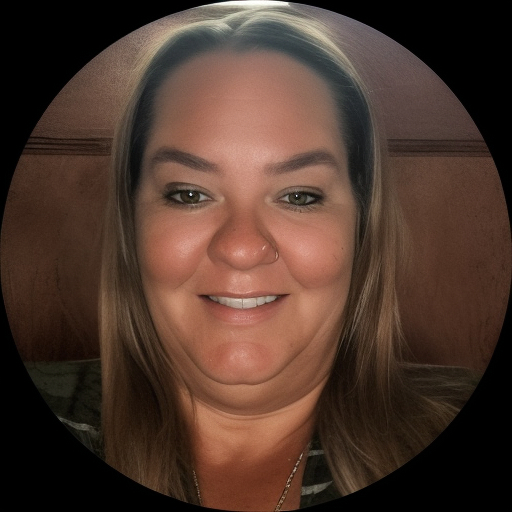
Lindsay Hutchins, LCSW
Licensed in California 28 years in practice Sessions online
Licensed Clinical Social Worker - Addictions and Relationships
License and identifiers
- LCSW, California
- 20593 · expires May 2027
- NPI
- 1194886309 · national provider identifier
- Years in practice
- 28
- Languages
- English
Shown as Lindsay lists it on their public professional profile. You can check a license with the state board that issued it and an NPI with the national registry.
About Lindsay
Lindsay Hutchins is a Licensed Clinical Social Worker (LCSW) practicing in California with 28 years of experience. She focuses on addictions, relationship concerns, trauma and abuse, intimacy-related issues, and self-esteem. Lindsay also attends to family of origin issues and related areas such as attachment difficulties, codependency, and divorce and separation.
She uses clear, conversational work in sessions. She helps people name patterns that started in childhood and see how those patterns show up now.
Background and approach
Conversations often look at communication habits, boundaries, and how past expectations affect current relationships. Lindsay draws on client-centered methods that prioritize the person’s experience. She also uses mindfulness and somatic approaches to help people notice how feelings show up in the body.
Internal Family Systems ideas are used to map inner parts and their roles in decisions and relationships. Clients can expect practical, concrete steps as well as time for reflection. Sessions address day-to-day struggles like caregiving stress, commitment worries, and problems with alcohol or drug use alongside deeper attachment questions.
Work may involve skill-building for communication and tools to manage dissociation or overwhelm. Her practice is informed by long-term clinical experience in California and a focus on midlife and adult concerns. Lindsay aims to help people recognize old family patterns and find different ways of relating to themselves and others.
Focus areas and approaches
Everything Lindsay lists on their public professional profile, including family of origin issues.
- Addictions
- Relationship issues
- Trauma and abuse
- Intimacy-related issues
- Self esteem
- Abandonment
- Aging and geriatric issues
- Attachment issues
- Caregiver issues and stress
- Co-morbidity
- Codependency
- Commitment issues
- Communication problems
- Control issues
- Coping with natural or human-caused disaster
- Dissociation
- Divorce and separation
- Drug and alcohol addiction
- Family of origin issues
- Family problems
- Forgiveness
- Guilt and shame
- Hospice and end-of-life counseling
- Impulsivity
- Infidelity
- Isolation / loneliness
- Life purpose
- Midlife crisis
- Multicultural concerns
- Post-traumatic stress
- Process addiction (porn, exercise, gambling)
- Self-love
- Sex addiction
- Sexuality
- Smoking / vaping cessation
- Women's issues
- Workplace issues
Approaches Lindsay names
- Client-Centered Therapy
- Mindfulness Therapy
- Somatic Therapy
- Trauma-Focused Therapy
- Internal Family Systems
Naming an approach is not evidence of training in it. This directory copies what each therapist lists and does not check training records.
How sessions work online
Approaches used in online sessions
Client-Centered Therapy centers the person’s own goals and experience. In this work the therapist follows the client’s lead, listens for what matters most, and helps people make choices that fit their life. This approach is useful for relationship concerns and self-esteem work.Mindfulness Therapy teaches simple attention practices to notice thoughts and feelings without getting swept away. Those practices can help with anxiety, cravings, and patterns that repeat from family backgrounds. Somatic Therapy pays attention to body sensations and how stress shows up physically, which can aid people with trauma-related symptoms or dissociation.
Finding the right mix of approaches is part of the process. The therapist will work collaboratively to decide whether client-centered conversation, mindfulness practices, somatic work, or elements of Internal Family Systems suit a person’s needs and goals. That choice is revisited as work progresses.
Session formats are not listed in the biography, so confirm current options before booking. Online work can make it easier to fit sessions into a busy week, shorten check-ins when needed, and allow for different pacing of skill practice between meetings. Therapists can often adapt interventions so the work translates into everyday life without requiring long travel or schedule changes.
We will earn a commission if you sign up through our link, at no cost to you. It does not change what you pay or the order of the listings.
Questions about Lindsay
Which concerns does she address?
She works with addictions, relationship issues, trauma and intimacy-related concerns. Family of origin issues and self-esteem are also areas she addresses.
What is her therapeutic style?
Her style is conversational and client-centered, focusing on the person’s lived experience. Sessions often include practical skills plus exploration of patterns that began in childhood.
How much experience does she have?
She has 28 years of clinical experience working with adults on addiction, relationship dynamics, and trauma-related concerns.
What credential and location does she hold?
She is a Licensed Clinical Social Worker (LCSW) practicing in California.
Which languages are supported?
Sessions are offered in English only.
Does she work with international clients?
International clients are not currently accepted.
How does payment work?
Cost varies with location and sessions use a subscription model that can be canceled at any time.
How do I begin a first session?
Start by selecting the See online therapy options button, complete the short matching questionnaire, and schedule a first session.
More therapists in California
See all
Leonard Burns
LMFT
LMFT in California - family origins and relationships
- Stress, Anxiety
- Relationship
- Family

Karen Chambre
LCSW
LCSW in California - relationships and parenting
- Stress, Anxiety
- Relationship
- Trauma and abuse
Rebecca Davis
LMFT
California LMFT - Family of origin and mood concerns
- Stress, Anxiety
- Trauma and abuse
- Grief

Dr. Tammy Occhipinti
LMFT
Dr. Tammy Occhipinti, LMFT - Family and anxiety concerns
- Stress, Anxiety
- Addictions
- Relationship
Surnames under H · everyone in the directory whose surname starts with H
Is this your profile?
Ask us to correct a detail or take the page down.
Contact us