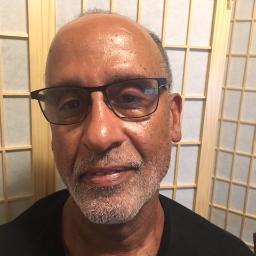
Leonard Burns
LMFT
LMFT in California - family origins and relationships
- Stress, Anxiety
- Relationship
- Family
Family of origin directory
633 therapists list Eye Movement Desensitization and Reprocessing (EMDR) among the ways they work. Naming an approach is not evidence of training in it, so ask directly how they use it.
Eye Movement Desensitization and Reprocessing (EMDR) is an approach that helps people process upsetting memories and reduce their emotional intensity through structured techniques. Below you can browse profiles of therapists who list EMDR among their approaches to learn about specialties, languages and clinical focus.
LMFT
LMFT in California - family origins and relationships
LPC, LMHC
Licensed LPC/LMHC - Family patterns and anxiety
LPCC
LPCC in Ohio - Family of origin and mood concerns
LIMHP
LIMHP in Nebraska - family of origin focus
BACP
Counsellor - Family of origin and trauma focus
LCSW
Licensed Clinical Social Worker - family and identity concerns
AASW
AASW social worker - family of origin and trauma
BACP
BACP counsellor - family and relationship concerns
LPC
Licensed Professional Counselor - Family patterns and trauma
LCSW
Licensed Clinical Social Worker - Relationships and Life Transitions
BACP
BACP counsellor - Stress and relationships
LPC
Licensed Professional Counselor - Addictions and Mood Concerns
LCSW
Tamara Payne, LCSW - Adult therapy and family issues
BACP
BACP counsellor - family of origin and anxiety issues
NY Psychoanalyst
NY Psychoanalyst - Family origins and relationships
LCSW
Licensed clinical social worker - family of origin and trauma
LPC
Dr. Lynda Cokuslu, LPC - Stress and Family patterns
BACP
BACP counsellor - Family and relationship patterns
LPC
Licensed Professional Counselor - Stress and Relationships
NCPS
Psychotherapist and counsellor - relationships and family of origin
LPC
Licensed counselor - family and trauma focus
LPC, LMFT
LPC and LMFT specializing in relationships and family issues
LPC
Licensed Professional Counselor - Family and relationship concerns
LPC
Licensed Professional Counselor - family of origin and relationships
LPC
Licensed Professional Counselor - Family patterns and mood concerns
LCSW
LCSW - Stress and family patterns specialist
LPC
LPC in Texas - Family of origin and relationships
LCSW
LCSW - Relationships and family of origin issues
LCSW
LCSW - Stress and family of origin issues
LCSW
LCSW - Mood and family of origin concerns
LMHC
Licensed Mental Health Counselor - Relationships and Mood
LCSW, CSW
Licensed Clinical Social Worker - Family and Relationship issues
LCSW
LCSW focused on relationships and family origins
LMFT
LMFT in Oklahoma - family and relationship concerns
LPC
LPC in Oklahoma - anxiety and family patterns
LCSW
LCSW in Indiana - trauma and anxiety focus
HCPC
Practitioner Psychologist - family of origin and relationships
LPC
LPC in Alabama - family and relationship concerns
BACP
BACP counsellor - family and relationship issues
Some links on this page are partner links. We will earn a commission if you sign up through one, at no cost to you. It does not change what you pay or the order of the listings.
If you are exploring EMDR, it may help to think of it as a structured method focused on processing distressing memories and the reactions that accompany them. The approach is grounded in the idea that difficult experiences can become stuck in the mind and body, producing ongoing symptoms such as intrusive images, strong emotional reactions or avoidance. EMDR uses a sequence of steps to help you attend to a memory while your brain is guided to process it in a new way. That guidance commonly uses bilateral stimulation - typically eye movements, tactile taps or alternating sounds - while you focus on the memory and the thoughts, emotions and bodily sensations connected with it.
In practice, EMDR is organized into phases that include history-taking, preparation, targeted processing and follow-up. Each phase has a clear purpose: to identify what matters most to you, to build coping strategies and stabilization when needed, to process one or more target memories, and to assess how you feel afterward. You can expect the work to integrate cognitive, emotional and somatic elements rather than focusing only on talk. Therapists who list EMDR among their approaches often combine these methods with other clinical tools to adapt to your needs and preferences.
People use EMDR for a wide range of concerns that trace back to distressing or overwhelming events. Many individuals seek EMDR for trauma-related reactions where memories of past events continue to cause strong distress, hyperarousal or repeated intrusive thoughts. Beyond single-event trauma, EMDR is also commonly mentioned in work with complex or developmental trauma, where repeated experiences over time shape patterns of feeling and behavior.
EMDR is also applied in contexts such as intense grief, phobias, painful relationship memories, performance anxiety and certain types of panic or severe stress reactions. Some people use these techniques to address life transitions that rekindle old wounds, or to reduce the visceral charge of a memory so they can think about it without becoming overwhelmed. While outcomes vary for every individual, many people choose therapists who list EMDR among their approaches when memory processing is a central goal of therapy.
A typical course of EMDR-informed work is organized into distinct phases so you and your therapist can move deliberately through preparation, processing and integration. Early sessions often focus on history and assessment, where you describe the concerns you want to address and identify specific memories or situations that are most distressing. During this time you and the therapist will also discuss coping tools and stabilization strategies to ensure you have ways to manage strong emotions between sessions.
When you begin processing a target memory, you will be asked to hold the image, the accompanying negative belief about yourself and the associated body sensations in mind. While you attend to those elements, the bilateral stimulation is introduced in short sets. After each set you will be invited to notice what has shifted - a new image, a different feeling or a change in the intensity of the memory. The therapist will guide you through additional sets until the memory loses its intense charge and a more adaptive belief or perspective can be installed. Sessions typically end with a body scan and grounding techniques so you leave feeling regulated and aware of next steps.
How long this process takes varies. Some targets may be processed in a single session, while others require multiple sessions spaced over weeks. The pace is collaborative - you and the therapist will decide when to move forward, when to pause for skill-building and when to revisit a memory for further work.
Compared with therapies focused primarily on changing thoughts through repeated practice, such as cognitive-behavioral approaches, EMDR places specific emphasis on reprocessing memories using bilateral stimulation while you hold the memory in mind. This makes the experience more somatic and interactive for many people, because it draws attention to body sensations as well as thoughts and emotions. EMDR is also more structured in its phased progression, which can feel helpful if you prefer a clear roadmap for your work.
Unlike exposure approaches that repeatedly present feared stimuli through imagined or real exposures over time, EMDR directs attention toward a target memory and works to reduce the emotional intensity of that memory through targeted processing. In practice, therapists who list EMDR among their approaches may blend elements of exposure, cognitive restructuring and skills training depending on your goals. The choice between methods often depends on what feels tolerable and useful to you; some people respond well to more exploratory, insight-oriented talk therapy, while others prefer the focused memory processing that EMDR-style work emphasizes.
EMDR-style work can be appropriate for many people, but there are personal and clinical factors to weigh. If you find that particular memories continue to intrude, or that past events shape your daily reactions, you may find EMDR approaches worth exploring. People who prefer structured sessions and who are open to attending to bodily responses as part of processing often report that this style fits their needs. There are situations where additional stabilization, collaboration with medical providers or adaptations for complex health concerns can make the work safer and more effective, so it is reasonable to discuss those topics with a clinician during an initial conversation.
When you search for a therapist on a directory, look for profiles that describe relevant populations, clinical focus and therapeutic approaches. Pay attention to listed specialties such as trauma, bereavement, anxiety or specific age groups, as well as language and cultural competencies that matter to you. You can use profile details to identify who lists EMDR among their approaches and then review the therapist's stated focus areas to see if they match your priorities. In an initial contact, consider asking about the therapist's experience working with concerns like yours, how they structure EMDR-informed sessions, and what preparation or supports they recommend. This helps you evaluate fit without assuming any particular credential or training from a profile label alone.
Finding the right therapist is partly a matter of matching clinical focus and interpersonal fit. You are entitled to ask questions about approach, session length and whether the therapist adapts techniques for different ages or co-occurring conditions. Taking a thoughtful and inquisitive approach to profiles and outreach will help you connect with a clinician whose practice aligns with your goals and needs.