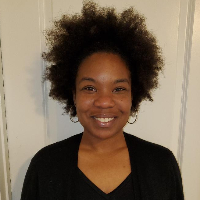
Hamida Parkar
AASW
AASW social worker - family origin and anxiety focus
- Stress, Anxiety
- Relationship
- Trauma and abuse
Family of origin directory
1,856 therapists list Narrative Therapy among the ways they work. Naming an approach is not evidence of training in it, so ask directly how they use it.
Narrative Therapy is a collaborative approach that treats problems as separate from people and focuses on the stories you tell about your life. Below you can browse therapists who list Narrative Therapy among their approaches to find professionals whose focus aligns with your needs.
AASW
AASW social worker - family origin and anxiety focus
LMHC
Florida LMHC - Family of origin and mood concerns
PACFA
PACFA counsellor - Family of origin and relationships
BACP
BACP counsellor specialising in family patterns and stress
LPC
Licensed Professional Counselor - Stress and Relationships
LMFT
LMFT in California - family origins and relationships
NCPS
NCPS counsellor - relationships and family patterns
LCSW, CSW
LCSW in Colorado - family of origin and relationships
BACP
BACP counsellor - family of origin concerns
LPC
Licensed Professional Counselor - Family patterns, relationships
BACP
UK counsellor - family patterns and trauma
LPC
LPC in Texas - Family of origin and relationships
AASW
AASW social worker - relationships and anxiety
BACP
BACP counsellor - relationships and family concerns
BACP
BACP counsellor - family patterns and relationships
LPCC
LPCC in Ohio - Family of origin and mood concerns
AZ Psychologist
AZ Psychologist - relationships and coping
LCSW
LCSW focused on relationships and family patterns
LPC
Licensed Professional Counselor - family of origin, relationships
BACP
BACP counsellor - family and relationship focus
AASW
AASW social worker - family of origin and mood concerns
LCPC, LMHC
Rev. Sergio Ayala - LCPC, LMHC; stress and family concerns
LPC
Licensed Professional Counselor - Family of origin and relationships
LMFT
California LMFT - Family of origin and mood concerns
BACP
BACP counsellor - family and relationship concerns
LMFT
Licensed Marriage and Family Therapist - relationships and family issues
AHPRA
AHPRA clinician - family of origin and anxiety support
LCSW, LPCC
California LCSW and LPCC - family patterns and parenting
LCSW
Licensed Clinical Social Worker - family and identity concerns
NCPS
Psychotherapist - family and relationship patterns
LPC
Licensed Professional Counselor - Family and relationships
LCSW
LCSW - Family patterns and mood concerns
LMHC
LMHC supporting relationship and family of origin concerns
LMSW
LMSW focusing on trauma and attachment
LPC
Licensed Professional Counselor - Relationships and Family Issues
LCSW
Licensed Clinical Social Worker - Relationships and Life Transitions
BACP
BACP counsellor - Stress and relationships
LMFT
Licensed Marriage and Family Therapist - Family issues
LPC
LPC counselor - family of origin and anxiety
BACP, NCPS
Counsellor - family of origin and relationships
BACP
Counsellor - Family of origin and addiction concerns
BACP
Dr Kalawatie Ramnath - counsellor for stress and family issues
LPC
Licensed Professional Counselor - Family and ADHD concerns
LPC
Licensed Professional Counselor - family of origin concerns
Some links on this page are partner links. We will earn a commission if you sign up through one, at no cost to you. It does not change what you pay or the order of the listings.
Narrative Therapy centers on the idea that the way you describe your experiences shapes how you feel and act. Instead of seeing difficulties as fixed traits within a person, this approach frames problems as external influences that interact with your life story. You and a therapist examine the narratives that have developed over time - the repeating plots, labels, and assumptions that can limit the choices you notice or the possibilities you imagine. Through thoughtful questioning, reflection, and collaborative exploration, the aim is to open space for alternative stories that better reflect your values and intentions.
Several principles guide the work. One is externalization, where you name the problem as something separate from yourself so it can be examined without blame. Another is the search for unique outcomes - moments when the problem did not dominate and different actions or feelings emerged. Those moments become the seeds of new narratives. The relationship with the therapist is intentionally collaborative and curious rather than authoritative. That collaborative posture supports you to become the primary author of meaningful changes in how you live and relate to others.
Narrative Therapy is applied to a wide range of life concerns because many difficulties are tied to the stories people tell about themselves and their relationships. People often turn to this approach when they want to address recurring patterns in relationships, identity questions, grief and loss, life transitions, and the effects of stigma or marginalization. If you find yourself caught in a self-labeling narrative - such as being defined by a failure, diagnosis, or a role - Narrative Therapy can help you unpack how that label developed and what it means in your life now.
The approach is also used to address issues such as parenting struggles, workplace stress, trauma-related impacts on daily meaning, and cultural conflicts. Because it focuses on context and social influences, Narrative Therapy can be helpful when external pressures - family expectations, social messages, or historical narratives - have shaped how you see your options. The goal is not to erase difficult facts but to broaden the narrative possibilities so you can act in ways that align with your priorities and sense of purpose.
In a session you can expect inquiry and storytelling rather than directive problem-solving. The therapist will listen closely as you describe experiences, paying attention to language, metaphors, and the meanings you assign. Conversations often revolve around identifying and separating the problem from your identity. You might name a difficulty - for example, "anxiety" or "mothering doubts" - and explore how that difficulty shows up, when it has less influence, and what external factors have contributed to it.
Sessions commonly include questions that invite you to notice exceptions to the problem-saturated story and to reflect on your hopes, skills, and values. The therapist may suggest writing exercises, timelines, or reflecting on letters that help consolidate alternative narratives. Work in therapy often extends outside sessions as you test new ways of acting and speaking in your everyday life. Over time the focus is on amplifying the experiences that support a preferred story and creating practical steps to live by that story more consistently.
Narrative Therapy differs from approaches that try to locate problems primarily within internal pathology or that focus on symptom reduction as the main goal. Rather than emphasizing diagnosis or treating symptoms in isolation, Narrative Therapy foregrounds context, meaning, and the relational forces that shape experience. It tends to be less prescriptive and more exploratory, inviting you to co-author new understandings rather than simply adopt the therapist's framework.
Compared with skills-based therapies that teach specific techniques for managing thoughts or behaviors, Narrative Therapy places greater emphasis on language, story, and social context. That does not mean practical strategies are absent; rather, strategies arise from the new narratives and values you want to embody. The approach also differs from purely insight-oriented therapies by explicitly using narrative practices - such as externalization and documenting new storylines - as tools to shift patterns in daily life. In short, if you are interested in reshaping the meaning of experiences and reclaiming authorship of your life story, Narrative Therapy offers a distinctive route.
You might be a strong candidate for Narrative Therapy if you want to examine how stories influence your behavior, relationships, or sense of self. If you are curious about unpacking labels, exploring cultural or family narratives, or reframing recurring patterns, this approach can provide a framework for those explorations. It can be especially useful when the issue involves identity, social roles, or the influence of systems and culture on personal experience. That said, Narrative Therapy is adaptable and can be integrated with other therapeutic interests depending on what you want to accomplish.
When looking for a therapist who works with Narrative Therapy, focus on how they describe their approach, populations, and areas of emphasis. Read profiles to learn whether they describe collaborative, narrative-focused methods, and whether they articulate how they view problems and change. Consider the settings and populations they mention - for example, adults, couples, families, adolescents, or specific cultural communities - because those details indicate where their practice emphasis lies. It can also be helpful to review their written materials or introductory content to see if their tone and values resonate with you.
As you review profiles, think about the sorts of questions you would want a therapist to ask and whether the therapist's descriptions suggest curiosity, respect for your perspective, and an interest in co-creating meaning. You might look for language that emphasizes externalizing problems, exploring life stories, or working with cultural and relational contexts. If you have specific identity-related concerns, search for therapists who acknowledge that work explicitly so you can find someone who appreciates the social influences shaping your story.
Finally, trust your response to a therapist's profile and introductory materials. The fit between you and a therapist is shaped by how comfortable you feel with their approach, language, and stated priorities. Use the information in listings to narrow your options and then reach out in a way that allows you to ask preliminary questions about their clinical focus and style. Narrative Therapy is a collaborative journey of meaning-making, and selecting a therapist whose approach resonates with your goals is an important first step.