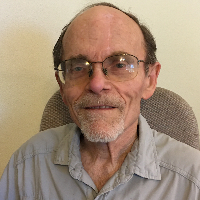
David Lambert, LICSW
Licensed in Washington 40 years in practice Sessions online
LICSW in Washington - Family of origin and mood concerns
License and identifiers
- LICSW, Washington
- LW 00004614 · expires January 2027
- NPI
- 1144494246 · national provider identifier
- Years in practice
- 40
- Languages
- English
Shown as David lists it on their public professional profile. You can check a license with the state board that issued it and an NPI with the national registry.
About David
David Lambert is a Licensed Independent Clinical Social Worker (LICSW) in Washington with 40 years of experience in clinical work. He works with people facing stress, anxiety, grief, depression, bipolar disorder, addictions, relationship and family concerns, and other struggles such as sleep problems, anger, and ADHD. He also lists family of origin issues and parenting concerns among his focus areas.
David emphasizes a person-centered way of working. He treats clients as the experts on their own lives and helps them identify practical goals.
Background and approach
Sessions use straightforward conversation and feedback to look at patterns and options people can try between meetings. His background includes long experience in community mental health and many years providing direct clinical care.
That work exposed him to a wide range of concerns, including major psychiatric disorders and trauma and abuse, and informed his approach to common problems like grief and relationship strain. In session he blends client-centered work with methods such as cognitive behavioral techniques, motivational interviewing, mindfulness practices, and solution-focused strategies.
He aims to support steady progress through repeated practice and focused steps rather than quick fixes. People who come for help can expect clear, pragmatic conversation about what feels most important to change. He pays attention to how early family roles and expectations continue to shape current behavior and choices.
The emphasis is on respectful, goal-oriented work that connects day-to-day steps to longer-term personal aims.
Focus areas and approaches
Everything David lists on their public professional profile, including family of origin issues.
- Stress, Anxiety
- Grief
- Self esteem
- Bipolar disorder
- Depression
- Addictions
- Relationship issues
- Family conflicts
- Trauma and abuse
- Intimacy-related issues
- Sleeping disorders
- Parenting issues
- Anger management
- Career difficulties
- Coping with life changes
- Compassion fatigue
- ADHD
- Aging and geriatric issues
- Caregiver issues and stress
- Codependency
- Communication problems
- Divorce and separation
- Emptiness
- Family of origin issues
- Fatherhood issues
- First responder issues
- Forgiveness
- Guilt and shame
- Hearing impaired
- Impulsivity
- Isolation / loneliness
- Life purpose
- Men's issues
- Midlife crisis
- Mood disorders
- Paranoia
- Post-traumatic stress
- Self-harm
Approaches David names
- Client-Centered Therapy
- Cognitive Behavioral Therapy (CBT)
- Mindfulness Therapy
- Motivational Interviewing
- Solution-Focused Therapy
Naming an approach is not evidence of training in it. This directory copies what each therapist lists and does not check training records.
How sessions work online
How his approaches translate to online work
Client-Centered Therapy focuses on listening and reflecting back what matters most. Online sessions using this approach let the therapist and client talk through current concerns, clarify goals, and set small steps to try between meetings. Cognitive Behavioral Therapy (CBT) breaks problems down into thoughts, feelings, and actions and tests practical experiments. In remote sessions CBT often includes setting simple homework, tracking patterns, and reviewing results together.Deciding which approach to use is collaborative. The therapist will talk with the client about goals, preferences, and what has helped or not helped before. Together they choose methods and adjust them over time if needed so the work fits the client's priorities.
Confirm the specific session formats offered before booking, as they are not listed here. Online work can make it easier to fit therapy into a busy week, allow shorter check-ins when schedules are tight, and reduce travel time. It can also let people use mindfulness exercises or homework tools between meetings. Ask about the available session options when you complete the matching questionnaire so you know what will work best for your routine.
We will earn a commission if you sign up through our link, at no cost to you. It does not change what you pay or the order of the listings.
Questions about David
What kinds of concerns does he address?
He works with stress, anxiety, depression, bipolar disorder, addictions, grief, relationship and family concerns, ADHD, and related issues including sleeping and anger.
How would he describe his therapeutic style?
He uses a client-centered style that treats the person as the expert on their life and focuses on practical steps toward stated goals.
How much clinical experience does he have?
He has 40 years of clinical experience working in community mental health and many years of direct clinical practice.
What credential and region does he practice in?
He is a LICSW with a Washington LICSW LW credential and practices in Washington state.
Are sessions offered in other languages?
Sessions are offered in English.
Does he work with international clients?
He does not accept international clients at this time.
How are sessions billed and what does it cost?
Cost varies with location and sessions use a subscription that can be canceled at any time.
How do I begin the process of scheduling a session?
Select the See online therapy options button, complete a short matching questionnaire, and schedule a first session.
More therapists in Washington
See all
Dr. Heidi Duong
LMHC
Licensed Mental Health Counselor - family of origin and mood concerns
- Stress, Anxiety
- Trauma and abuse
- Eating


Surnames under L · everyone in the directory whose surname starts with L
Is this your profile?
Ask us to correct a detail or take the page down.
Contact us