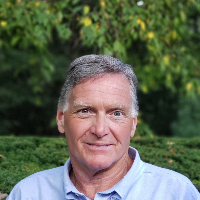
Henry Palmer III (Chip), LCSW
Licensed in North Carolina 30 years in practice Sessions online
LCSW focusing on addiction and family patterns
License and identifiers
- LCSW, North Carolina
- C008673 · expires December 2027
- NPI
- 1164980405 · national provider identifier
- Years in practice
- 30
- Languages
- English
Shown as Henry lists it on their public professional profile. You can check a license with the state board that issued it and an NPI with the national registry.
About Henry
Henry Palmer III (Chip) is a Licensed Clinical Social Worker (LCSW) based in North Carolina with 30 years of experience. He works with adults facing stress, anxiety, addiction, grief, depression, relationship strain, and family of origin issues. Chip also supports people dealing with career pressure, intimacy concerns, and the emotional fallout from life changes.
He takes a direct, solution-focused approach. Sessions look at patterns around risky decisions and repetitive behaviors.
Background and approach
He helps clients consider alternatives, using clear problem-solving rather than jargon. Mindfulness and motivational techniques are often part of the work. Chip draws on long-term recovery in his own life to inform clinical choices.
That background shapes how he addresses substance use and co-occurring mental health concerns. He also brings experience from crisis work with individuals and families. Therapy sessions tend to focus on practical strategies.
Clients examine the context for past choices and rehearse different responses. Methods may include mindfulness, metaphor, and contingency planning to change repeating patterns. He also uses parts of Dialectical Behavior Therapy and existential ideas when they fit the client's goals.
This can help with emotion regulation, impulsivity, and finding clearer personal priorities. The emphasis is on concrete steps that can be tried between meetings. To begin, prospective clients answer a short matching questionnaire and schedule an initial session.
Fees vary by location and sessions are provided under a subscription model that can be canceled at any time.
Focus areas and approaches
Everything Henry lists on their public professional profile, including family of origin issues.
- Stress, Anxiety
- Addictions
- Grief
- Depression
- Coaching
- LGBT
- Relationship issues
- Family conflicts
- Trauma and abuse
- Intimacy-related issues
- Eating disorders
- Anger management
- Self esteem
- Career difficulties
- Bipolar disorder
- Coping with life changes
- Compassion fatigue
- Antisocial personality
- Avoidant personality
- Co-morbidity
- Commitment issues
- Coping with natural or human-caused disaster
- Dependent personality
- Divorce and separation
- Drug and alcohol addiction
- Family of origin issues
- First responder issues
- Forgiveness
- Guilt and shame
- Hospice and end-of-life counseling
- Impulsivity
- Isolation / loneliness
- Life purpose
- Men's issues
- Midlife crisis
- Money and financial issues
- Narcissism
- Personality disorders
- Post-traumatic stress
- Process addiction (porn, exercise, gambling)
- Seasonal Affective Disorder (SAD)
- Self-harm
- Social anxiety and phobia
Approaches Henry names
- Client-Centered Therapy
- Dialectical Behavior Therapy (DBT)
- Existential Therapy
- Mindfulness Therapy
- Motivational Interviewing
- Solution-Focused Therapy
Naming an approach is not evidence of training in it. This directory copies what each therapist lists and does not check training records.
How sessions work online
Approaches used and how online work proceeds
Client-Centered Therapy focuses on listening and supporting a person to find their own solutions. It helps when someone needs space to clarify values and make decisions without pressure.Dialectical Behavior Therapy, or DBT, teaches practical skills for managing emotions and reducing impulsive actions. It can be useful for people dealing with anger, impulsivity, or patterns of self-defeating behavior.
Finding the right approach is part of the therapy process. The therapist will work together with the client to choose methods that match their goals, needs, and preferences. That means trying techniques and adjusting as progress is made.
Confirm the current session options before booking, since specific formats are not listed here. Online sessions can make it easier to fit therapy into a busy life - for example by reducing travel time, allowing shorter check-ins during a lunch break, or avoiding camera use when preferred. Licensed professionals often use a mix of conversation, skills practice, and brief between-session tasks to help apply what was learned to daily situations.
We will earn a commission if you sign up through our link, at no cost to you. It does not change what you pay or the order of the listings.
Questions about Henry
What concerns does he help with?
He works with stress, anxiety, addictions, grief, depression, relationship problems, and family of origin issues among other concerns.
How would you describe his therapeutic style?
He uses a focused, solution-oriented style that emphasizes practical problem solving and changing repeating behaviors.
What is his background and experience?
He has 30 years of experience and has worked extensively with substance use and co-occurring mental health issues, informed by his own long-term recovery.
What credential and location does he hold?
He is an LCSW licensed in North Carolina and practices there.
Which languages are sessions offered in?
Sessions are offered in English.
Does he accept international clients?
He does not accept international clients at this time.
How are sessions scheduled and what about cost?
Fees vary with location; sessions use a subscription billing model that can be canceled at any time.
How do I get started?
Select the See online therapy options button, complete the short matching questionnaire, and schedule your first session.
More therapists in North Carolina
See all
Dr. Lakisha Ellison
LCSW
Licensed Clinical Social Worker - family and identity concerns
- LGBT
- Relationship
- Family



Janet Stone-Nielsen
LCSW
Licensed clinical social worker - family of origin and trauma
- Stress, Anxiety
- Relationship
- Family
Surnames under P · everyone in the directory whose surname starts with P
Is this your profile?
Ask us to correct a detail or take the page down.
Contact us