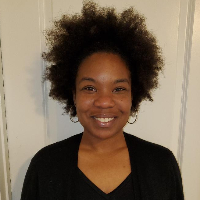
Dr. Lakisha Ellison
LCSW
Licensed Clinical Social Worker - family and identity concerns
- LGBT
- Relationship
- Family
Family of origin directory
219 therapists in this directory hold a license issued in North Carolina and list family of origin issues among the areas they work with. Sessions are online; a US therapist can usually only see people in a state where they hold a license, so check the license panel on each profile.
Welcome to our directory for online therapists who serve North Carolina. All therapists listed here are licensed in their professional fields. Explore the profiles to compare approaches, languages, credentials, and experience as you begin your search.
LCSW
Licensed Clinical Social Worker - family and identity concerns
LCSW
Licensed clinical social worker - family of origin and trauma
LCMHC
LCMHC in North Carolina - Relationships and Family Origins
LPC, LCMHC
LPC LCMHC - family of origin and addictions focus
LCSW, LISW-CP
Licensed Clinical Social Worker - Family and Relationships
LCMHC
LCMHC in North Carolina - family of origin and mood concerns
LMFT
Licensed MFT - Relationships and Family Concerns
LCMHC
Licensed counselor - Family of origin, Addictions
LCMHC
LCMHC in North Carolina - Stress and family patterns
LCSW
Licensed Clinical Social Worker - Stress and Relationships
LCMHC
Licensed counselor - relationships and grief
LCSW, LISW-CP
LCSW in North Carolina - Family of origin and mood concerns
LCSW
Licensed Clinical Social Worker - Family and Addictions
LCSW, LISW-CP
Licensed clinical social worker - family of origin issues
LCMHC
LCMHC in North Carolina - Relationships and family patterns
LCSW
LCSW - Family and relationship concerns
LCSW
LCSW in North Carolina - Family patterns and relationships
LCMHC
LCMHC in North Carolina - Family of origin and anxiety care
LMFT
LMFT focused on relationships and family of origin issues
LCSW
Licensed Clinical Social Worker - Family and relationships
LCMHC, LPC
LCMHC LPC - Relationships and Family of Origin
LPC, LCMHC
Licensed counselor - family and relationship patterns
LCSW
LCSW - Stress and relationship concerns
LCMHC
Licensed counselor - relationships and trauma
LCSW
Licensed Clinical Social Worker - Family and Relationship concerns
LCMHC, LPC
Licensed counselor - family origins and relationships
LMFT, LPC
Licensed therapist - Family and relationship focus
LICSW, LCSW
LICSW LCSW - Depression and Anxiety
LCMHC
LCMHC in North Carolina - Family of origin and mood concerns
LCSW
Licensed Clinical Social Worker - Family concerns and mood issues
LCSW
Licensed Clinical Social Worker - anxiety and addictions
LCSW
Licensed Clinical Social Worker - Family and relationship concerns
Some links on this page are partner links. We will earn a commission if you sign up through one, at no cost to you. It does not change what you pay or the order of the listings.
Online therapy has become a common way for people in North Carolina to connect with mental health professionals from across the state. Whether you live in a metropolitan area or in a rural county, remote sessions can make it easier to access clinicians who focus on the issues you want to address. State licensure rules shape how clinicians offer remote services, and most therapists who provide online care list the regions they serve in their profiles. When you review a profile, you will typically find information about the therapist's credential, the modalities they use, the populations they work with, and the languages they speak.
Technology has lowered many practical barriers to care, but it also introduces new considerations. You will want to know how a therapist conducts sessions - by video, phone, or a combination of formats - and whether they use platforms that protect client privacy. Many therapists describe their approach to teletherapy up front so you can get a sense of how they blend therapeutic techniques with remote delivery. This overview can help you understand what online therapy looks like in practice and how it might fit into your life.
Typical online sessions resemble in-person sessions in structure, with a focus on conversation, reflection, and goal-setting. You can expect a clinician to ask about your current concerns, your history, and what you hope to achieve. Some therapists who list EMDR among their approaches or who list cognitive behavioral therapy among their approaches adapt those techniques for online work. If specific methods matter to you, look for descriptions in therapist profiles and plan to ask about how an approach is used during a remote session.
Online therapy offers several practical advantages that can be especially relevant in a state with both dense urban centers and widely spaced rural communities. You may find it easier to fit sessions into a busy schedule when you do not have to commute. This can save time and reduce stress associated with travel, parking, or arranging childcare. For people living in areas where there are fewer local specialists, remote care lets you connect with clinicians who focus on family dynamics, trauma, or the specific life stage you are navigating.
Another benefit is access to a broader range of language and cultural competencies. If you would prefer to work with a therapist who speaks a particular language or who has experience with certain cultural contexts, online care increases the pool of clinicians you can reasonably consider. Online therapy also supports continuity when life circumstances change - for example, if you relocate within the state or travel for an extended period, remote sessions can help you maintain momentum in your work.
While online therapy can feel more convenient, it requires reliable internet or phone access and a place where you can speak privately. It is helpful to plan where you will meet for each session and to test your device and connection beforehand. You should also discuss with the therapist how they handle emergencies or urgent concerns that arise between sessions so you have a clear plan if you need immediate help.
Online therapists in North Carolina work with people on a wide range of concerns. Many clinicians focus on anxiety and depression, helping clients find coping strategies, structure, and new ways of thinking about persistent patterns. Therapists also assist with relationship challenges, including communication difficulties, parenting stresses, and family-of-origin themes that continue to influence adult life. Life transitions such as grief, job changes, and relocating can be supported through remote sessions.
Other areas where you may find targeted online offerings include trauma recovery, stress management, and support for chronic health concerns that have emotional components. Some therapists list specialty approaches and therapeutic models in their profiles. For example, you may find therapists who list EMDR among their approaches, therapists who list Acceptance and Commitment Therapy among their approaches, and therapists who list cognitive behavioral therapy among their approaches. Those listings indicate the strategies a clinician says they use, and they can help you identify clinicians whose stated approaches align with what you are seeking.
Many clinicians provide relational work remotely, guiding couples or family members through patterns of interaction, communication exercises, and boundary-setting. Online sessions can be effective for family systems that are geographically dispersed, though you should discuss logistics with any clinician you are considering so you understand how they structure joint sessions and how to involve multiple participants in a way that supports progress.
Confirming licensure is an important step in your search. Therapists may hold different state credentials - licensed clinical social worker, licensed professional counselor, marriage and family therapist, psychologist, and similar titles - and each credential is regulated by a state board. You should identify the license type listed on a therapist's profile and then consult the appropriate North Carolina licensing board's online lookup tool to verify that the license is active. These lookup tools typically show the license number, status, expiration date, and any disciplinary actions or restrictions that may be recorded.
When you use a license lookup, have the clinician's full name and any license number available. If an online search raises questions, you can contact the licensing board by phone or email to request clarification. Boards can confirm whether a credential is current and whether the practitioner is authorized to provide the types of services listed. Keep in mind that licensure also determines the locations where a therapist is permitted to practice, so if you plan to receive remote care while physically located in North Carolina, it is appropriate to confirm that the clinician is authorized to work with residents of the state.
A license that appears expired or that shows active disciplinary restrictions is a reason to ask further questions. In addition, if a profile lists credentials that seem inconsistent with the license type, ask the clinician to explain the credential and how it relates to their practice. Accurate, transparent profiles and willingness to discuss licensure details tend to be positive signs when you are deciding whom to contact.
Starting with a clear sense of what you want to work on will help you focus your search. Read therapist profiles to see who lists experience with the issues that matter to you, who lists the approaches you prefer, and who notes language skills or cultural familiarity that are important to you. Pay attention to education and professional credentials listed on the profile, and use the steps above to verify licensure. You can then reach out to one or more clinicians to ask about how they approach the kinds of concerns you brought to mind.
When you contact a therapist, consider asking about their typical session structure, how they measure progress, and what a few early goals might look like for your situation. You might also ask how they adapt their methods for remote work and how they handle scheduling, fees, and reimbursement. If you use insurance, ask whether the clinician accepts your plan or provides documentation you can submit for reimbursement. It is reasonable to ask about the length and frequency of sessions they typically recommend, though clinicians will tailor that to your needs.
Therapeutic fit is both technical and interpersonal. You can evaluate fit by noting whether a therapist articulates an approach that resonates with you and whether they have experience with your presenting concerns. You should also pay attention to how you feel after an initial conversation or session - did the therapist listen, reflect your priorities, and offer clear next steps? Building a working relationship takes time, so give yourself a few sessions to assess whether the collaboration is helping you move toward your goals.
Finally, set up a comfortable environment for sessions. Find a quiet, quiet space where you feel able to talk openly. Test your internet connection and device ahead of the first meeting so technology interferes as little as possible. If safety or crisis concerns are present, make sure you understand the clinician's plan for urgent situations and know how to reach local emergency resources. With careful preparation and an eye toward credential verification and therapeutic fit, you can use online therapy as a practical way to pursue personal and relational growth in North Carolina.