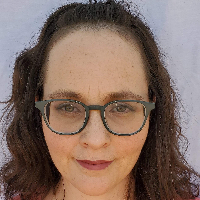
Victoria Cannon, LCSW
Licensed in Arizona 13 years in practice Sessions online
LCSW focused on relationships and trauma
License and identifiers
- LCSW, Arizona
- LCSW-14103 · expires January 2028
- NPI
- 1174815419 · national provider identifier
- Years in practice
- 13
- Languages
- English
Shown as Victoria lists it on their public professional profile. You can check a license with the state board that issued it and an NPI with the national registry.
About Victoria
Victoria Cannon is an LCSW (Licensed Clinical Social Worker) with 13 years of experience based in Arizona. She works with adults dealing with stress, anxiety, depression, trauma and relationship concerns, including family of origin issues and parenting-related strain. She uses familiar clinical approaches to help people cope and move forward.
Victoria focuses on learning how past experiences shape current reactions. She asks practical questions about roles, expectations, and communication that repeat from childhood into adult life.
Background and approach
Sessions concentrate on building realistic coping skills and clearer ways of relating to others. Her style places attention on attachment and how early relationships influence closeness and boundaries now. She draws on Acceptance and Commitment Therapy and mindfulness to help people notice patterns and choose different responses.
Emotionally-Focused Therapy ideas are used to clarify feelings during conversations about relationships. Victoria also works with eating and mood concerns, grief, addiction-related struggles, and issues around intimacy and fatherhood. She incorporates motivational interviewing when people want help with behavior change and commitment to specific goals.
Practical tools and short exercises are often part of sessions. Clients can expect steady, straightforward meetings aimed at understanding what keeps patterns going and learning new ways to respond. She asks about goals early on and keeps follow-up focused on measurable steps toward those goals.
The emphasis is on usable skills and clearer relationships.
Focus areas and approaches
Everything Victoria lists on their public professional profile, including family of origin issues.
- Stress, Anxiety
- Relationship issues
- Trauma and abuse
- Depression
- Addictions
- Family conflicts
- Grief
- Intimacy-related issues
- Eating disorders
- Parenting issues
- Anger management
- Self esteem
- Career difficulties
- Bipolar disorder
- Coping with life changes
- Compassion fatigue
- Abandonment
- Attachment issues
- Codependency
- Coping with natural or human-caused disaster
- Dissociation
- Eating and food-related issues
- Family of origin issues
- Family problems
- Fatherhood issues
- Guilt and shame
- Mood disorders
- Panic disorder and panic attacks
- Postpartum depression
- Post-traumatic stress
- Pregnancy and childbirth
- Sexual assault and abuse
- Somatization
- Young adult issues
Approaches Victoria names
- Acceptance and Commitment Therapy (ACT)
- Attachment-Based Therapy
- Emotionally-Focused Therapy (EFT)
- Mindfulness Therapy
- Motivational Interviewing
- Somatic Therapy
- Trauma-Focused Therapy
Naming an approach is not evidence of training in it. This directory copies what each therapist lists and does not check training records.
How sessions work online
Therapeutic approaches and working online
Acceptance and Commitment Therapy (ACT) helps people notice painful thoughts without getting driven by them and choose actions aligned with their values. It can be useful for anxiety, stress, and decision-making challenges.Attachment-Based Therapy looks at how early caregiving relationships shaped patterns of closeness and trust. It helps clarify why certain relationship habits repeat and what can be done to change them.
Finding the right approach is part of the work. The therapist will collaborate with the client to decide which methods fit best based on current concerns, goals, and personal preferences. That choice can shift as progress is made.
Confirm the session formats offered before booking since the biography does not list them explicitly. Online sessions can make it easier to fit therapy into a busy life, for example by allowing shorter check-ins during a work break or by removing the need to travel. Phone sessions can use less data and be a simpler option when video isn’t needed. Therapists and licensed professionals often adapt exercises and mindfulness practices so they work in a virtual setting.
We will earn a commission if you sign up through our link, at no cost to you. It does not change what you pay or the order of the listings.
Questions about Victoria
What kinds of concerns does she help with?
She works with stress, anxiety, depression, trauma and relationship concerns including family of origin issues and parenting challenges.
What is her therapeutic approach or style?
She uses an approach that examines how past relationships affect current patterns and focuses on practical coping skills and clearer communication.
How much clinical experience does she have?
Victoria has 13 years of experience working with adults on mood, trauma-related, and relationship issues.
What are her credentials and where is she located?
She is an LCSW (Licensed Clinical Social Worker) practicing in Arizona.
Which languages are supported?
Sessions are offered in English.
Can international clients work with her?
She is not accepting international clients at this time.
How are sessions arranged and what about formats?
Please confirm current session options before booking, as the original biography does not list specific session formats.
How are fees and starting set up?
Cost varies with location and sessions use a subscription that can be canceled at any time; to start, complete the short matching questionnaire and schedule a first session.
More therapists in Arizona
See all
Dr. Douglas Treese
AZ Psychologist
AZ Psychologist - relationships and coping
- Stress, Anxiety
- Relationship
- Grief
Linda Platt
LPC
LPC in Arizona - Family of origin and anxiety issues
- Stress, Anxiety
- Addictions
- Relationship

Kathleen Phalen
LCSW
LCSW in Arizona - family of origin and addictions
- Stress, Anxiety
- Addictions
- Grief

Amy Weissman-Hunt
LCSW
LCSW in Arizona - Family of origin and life changes
- Stress, Anxiety
- Relationship
- Self esteem
Surnames under C · everyone in the directory whose surname starts with C
Is this your profile?
Ask us to correct a detail or take the page down.
Contact us