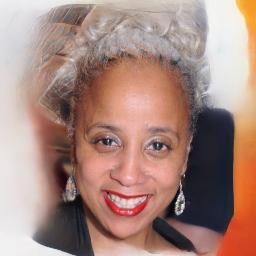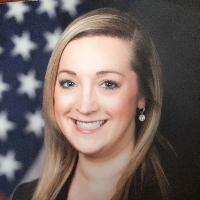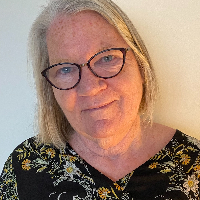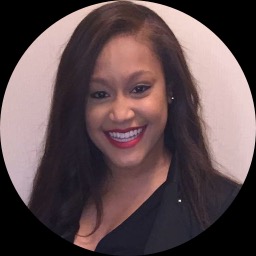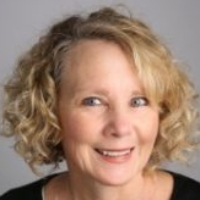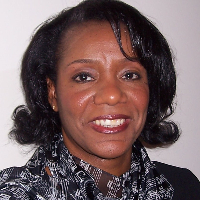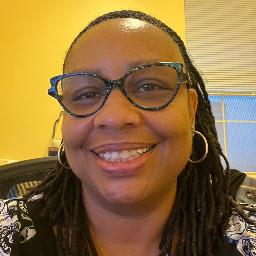
Monica Burgos
LICSW
LICSW - Relationships and trauma focus
- Relationship
- Trauma and abuse
- Intimacy-related issues
Family of origin directory
13 therapists in this directory hold a license issued in District of Columbia and list family of origin issues among the areas they work with. Sessions are online; a US therapist can usually only see people in a state where they hold a license, so check the license panel on each profile.
Welcome to our directory of online therapists serving the District of Columbia. All therapists listed here are licensed in the District of Columbia - explore profiles to learn about approaches, credentials, languages and specialties.
LICSW
LICSW - Relationships and trauma focus
LPC, LMFT
LPC and LMFT focused on relationships and recovery
LPC
Licensed Professional Counselor - Relationships and Trauma
LICSW
LICSW - Relationships and Family concerns
LICSW
LICSW in DC - Family and relationship concerns
LPC
LPC in DC - relationships and family patterns
LCSW, LICSW
LICSW in District of Columbia - Family patterns and coping
LICSW
Licensed clinical social worker - ADHD and coping
LPC
Licensed Professional Counselor - Relationships and Life Change
LICSW
LICSW in Washington DC - Family of origin and relationships
Some links on this page are partner links. We will earn a commission if you sign up through one, at no cost to you. It does not change what you pay or the order of the listings.
Online therapy has become an integrated part of mental health services in the District of Columbia, offering a range of ways to connect with clinicians from your home, workplace or another convenient setting. In DC, licensure rules mean therapists who practice across state lines must meet District standards, so the professionals you find in this directory hold licenses that allow them to provide care to residents in the District. You will encounter therapists who list cognitive-behavioral therapy, psychodynamic approaches, family systems, mindfulness-based practices and other methods among their approaches. Many clinicians offer therapy via video visits, phone calls or messaging formats - each clinician’s profile will describe the formats they use and the populations they focus on. While online work is common, the way each therapist integrates remote sessions with clinical practice varies, so you can look for profiles that match the session format and communication style you prefer.
When you choose online therapy in DC, you may find advantages that fit your schedule and lifestyle. Online sessions reduce commute time and make it easier to include therapy around work, school or family obligations. For those who live in neighborhoods where in-person options are limited or who have mobility challenges, remote sessions provide a practical way to maintain continuity of care. Online formats can also broaden the pool of clinicians you can consider - you are not limited to practitioners in your immediate neighborhood, which means you can search for therapists who list particular approaches, speak specific languages or focus on certain life stages and cultural backgrounds. Using online therapy does not change the professional standards that apply - licensed clinicians in the District follow the same ethical and legal frameworks whether they meet you in an office or online. As you think about starting, consider how the technology and session structure will fit into your routines and which communication modes help you feel most comfortable engaging in the work.
Online therapists in the District of Columbia work with a broad range of concerns that people typically bring to therapy. You can find clinicians who list experience helping with anxiety, depression, relationship challenges, grief and life transitions, as well as therapists who list approaches for trauma-related symptoms, stress management and parenting concerns. Couples may seek online sessions when schedules or geographic constraints make in-person meetings difficult. Young adults navigating education and career transitions, parents balancing family and work, and professionals coping with high-stress roles all use online therapy as one pathway to work through difficult moments and develop coping strategies. Therapists also support people exploring identity, cultural stressors and intergenerational family patterns. While therapists list the populations and issues they focus on, outcomes vary by individual and are influenced by many factors. When reviewing profiles you will want to pay attention to the areas practitioners highlight and how they describe their approach so you can find someone whose focus aligns with your needs.
Because licensure is central to practice, you may want to confirm that a clinician is legally authorized to provide therapy in the District of Columbia. The District maintains an online license verification service where you can look up a clinician’s license status by name and credential type. That resource will show whether a license is active and may include disciplinary history or other public actions. In addition to the formal license check, practitioner profiles typically include information about degrees, licensure type and professional affiliations. Remember that profiles reflect what clinicians report, so cross-referencing with the District licensing board is a prudent step when you want independent confirmation. If a profile notes a clinician lists specific methods among their approaches, that indicates the method is part of their practice description but does not stand in for verification of formal certification in any particular modality.
When you consult public licensing records, look for an active license and the credential type that matches the clinician’s title. If you see public disciplinary actions, the licensing site usually provides details about the nature and resolution of the action. You can also review a clinician’s education and training listed on their profile to understand their background. If any item on a profile is important to your decision - such as language fluency, specialty with certain populations or a listed therapeutic approach - you can ask the clinician directly for more detail during an initial conversation. That direct exchange helps you understand how their experience aligns with what you are seeking.
Taking the first step to connect with an online therapist is often a practical process you can break into manageable parts. Start by clarifying what you hope to address in therapy and what you need in terms of communication style, session length and language. Use the directory filters to narrow profiles by credentials, areas of focus, languages and approaches. When you find a few profiles that resonate, read each profile closely to learn how the clinician describes their approach and the populations they work with. Reach out via the contact method the profile lists to ask preliminary questions about how they work and the technology they use for sessions. You can prepare a short list of topics you want to cover in your first meeting and any questions about logistics so that the initial conversation can focus on fit and comfort. Many clinicians will explain how they structure sessions and how to prepare for video or phone meetings so you know what to expect.
Before your first session, decide on a personal, comfortable setting where you will not be interrupted. Check that your internet connection and camera or phone work well with the platform the clinician describes. Consider whether you prefer video, phone or messaging sessions and let the clinician know if there are any accessibility needs or language preferences. If you are using insurance or an employer benefit, ask the clinician how they handle billing and whether they can provide the documentation you need for reimbursement. Many people also find it helpful to set modest goals for the first few sessions, such as establishing priorities, learning a coping skill or creating a plan for communication between sessions.
Choosing a therapist is a personal process and there is no single criterion that works for everyone. Look for clinicians whose described focus areas reflect your primary concerns and whose stated approaches resonate with how you like to work. Language and cultural competence can be important, so consider profiles that mention experience with your cultural background or that list languages you speak. Pay attention to how clinicians describe their style - some emphasize collaborative skill-building while others highlight exploratory or relational work - and think about which style feels most comfortable to you. You may also want to consider practical factors such as session length, whether the clinician notes work with certain age groups or family structures and how they describe progress and goals. When you connect with a clinician, trust your reaction in the first few conversations - feeling heard and understood is a key part of building a therapeutic relationship. If a profile mentions specific therapeutic approaches, remember that this indicates the approach is part of their practice description, not a certification statement. Comparing focus areas, credentials, languages and experience across profiles can help you identify clinicians who match your needs and preferences.
Starting therapy is a step toward addressing what matters to you. Use the directory to explore licensed online therapists in the District of Columbia, read profiles, and reach out to practitioners whose approaches and specialties align with your goals. Taking the time to review credentials and ask thoughtful questions can help you begin the work in a way that fits your life and priorities.