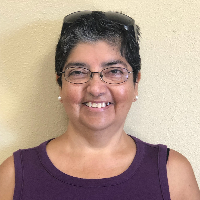
Kathryn Miller
LPC
Licensed Professional Counselor - Stress and Relationships
- Stress, Anxiety
- Grief
- Depression
Family of origin directory
584 therapists in this directory hold a license issued in Texas and list family of origin issues among the areas they work with. Sessions are online; a US therapist can usually only see people in a state where they hold a license, so check the license panel on each profile.
Welcome to our directory of online therapists who serve Texas residents. All therapists listed on this site are licensed in Texas - explore profiles to compare approaches, credentials and languages to find the right fit for your needs.
LPC
Licensed Professional Counselor - Stress and Relationships
LPC
Licensed Professional Counselor - Family patterns, relationships
LPC
LPC in Texas - Family of origin and relationships
LPC
Licensed Professional Counselor - Relationships and Identity
LPC
Licensed Professional Counselor - Family patterns and anxiety
LPC
LPC in Texas - relationships and family concerns
LPC
LPC in Texas - family of origin and trauma concerns
LPC
Licensed Professional Counselor - Family and relationships
LCSW
LCSW - Stress and relationship concerns
LPC, LPCC
Licensed Professional Counselor - family of origin focus
LPC
LPC in Texas - relationships and family concerns
LCSW
Licensed Clinical Social Worker - relationships and anxiety
LCSW
Licensed Clinical Social Worker - Relationships and Family
LPC
Licensed Professional Counselor - stress and relationships
LPC
Licensed Professional Counselor - Family and Relationships
LMFT
LMFT in Texas - Family of origin and relationships
LPC
Licensed counselor - family and trauma focus
LPC
Licensed Professional Counselor - Family of origin and relationships
LMFT
Licensed Marriage and Family Therapist - Family concerns
LPC, LMFT
LPC and LMFT specializing in relationships and family issues
LPC
Licensed Professional Counselor - Stress and Grief
LPC
Licensed counselor - trauma and relationships
LCSW
LCSW in Texas - stress and relationship focus
LPC
Licensed Professional Counselor - family of origin and trauma issues
LPC
Licensed Professional Counselor - Family and Addictions
LCSW
Licensed Clinical Social Worker - Stress and Trauma
LPC
LPC in Texas - Family of origin and relationships
LMFT
LMFT in Texas - Family and relationships
LPC
Licensed Professional Counselor - Relationships and Family
LCSW
LCSW - family origins and relationships
LPC
Licensed Professional Counselor - Stress and Relationships
LMFT
LMFT in Texas - family of origin and relationships
LPC
Licensed Professional Counselor - Family and Relationship concerns
LPC
LPC in Texas - family of origin and mental health focus
LPC
Licensed Professional Counselor - Relationships and Anxiety
LPC
Licensed Professional Counselor - Family of origin and mood concerns
LCSW
LCSW focused on relationships and family origins
LPC
Licensed Professional Counselor - Family and Relationship work
LPC
LPC in Texas - Family of origin and anxiety work
LPC
LPC in Texas - Family of origin and addiction focus
LPC
LPC in Texas - family patterns and relationships
LPC
Licensed Professional Counselor - Relationships and Family Patterns
Some links on this page are partner links. We will earn a commission if you sign up through one, at no cost to you. It does not change what you pay or the order of the listings.
Online therapy has become a widely used option for people across Texas, from urban centers to rural communities. You can connect with clinicians who hold Texas licenses and offer consultations, ongoing psychotherapy and specialized approaches using video, phone or messaging formats. Because licensure rules focus on where the client is located during a session, many clinicians list that they provide services to residents of Texas; it is important for you to confirm that any therapist you consider holds an active Texas license. The landscape in 2026 includes a range of license types - licensed professional counselors, licensed clinical social workers, licensed marriage and family therapists and psychologists - so you will see a variety of credentials and practice emphases in clinician profiles. Online options can make it easier to find someone whose approach, language skills and experience align with what you want to address, without requiring long travel times.
When you choose online therapy, you gain flexibility that fits modern life across Texas. Remote sessions remove geographic barriers so you can work with a therapist who specializes in your concerns even if they are based in a different city. That can be especially helpful if you live in an area with fewer in-person resources or if your schedule, transportation or caregiving responsibilities make travel difficult. Online therapy also often allows you to maintain continuity of care if you move within the state, because your clinician can continue to see you as long as they hold the appropriate Texas license. Many people find that the convenience of meeting from home or another quiet space helps them keep therapy consistent over weeks and months. In addition, profiles often indicate languages spoken and practice emphases, so you can search for a clinician who communicates in a language you prefer or who lists experience with the kinds of issues you want to address.
Online therapists in Texas work with a broad range of concerns that people commonly bring to therapy. You can find clinicians who list experience addressing relationship challenges, stress and anxiety, depression, life transitions, grief, parenting and family dynamics. Therapists also often list approaches for work-related stress, adjustment to illness or disability, and support for identity-related matters. If you are seeking particular methods, many clinician profiles note approaches they use; for example, you may see therapists who list CBT among their approaches or therapists who list EMDR among their approaches, and others who list narrative, psychodynamic or systems-oriented approaches. Those listings reflect a clinician’s stated focus areas rather than a verified roster of trainings, so use them as a starting point for questions during an initial conversation. Some clinicians emphasize work with adolescents, adults, couples or families, while others highlight experience with specific life stages or cultural backgrounds. When you look through profiles, pay attention to notes about population focus and languages spoken so you can find a match with your personal and cultural needs.
Before you contact a clinician, it helps to know the common license designations you will see in Texas. You may encounter LPC for licensed professional counselors, LCSW for licensed clinical social workers, LMFT for licensed marriage and family therapists, and psychologist designations such as PhD or PsyD. Each license type reflects a different education and regulatory pathway. When reviewing a profile, note the exact license title and any license number provided so you can confirm details with the state licensing board.
The most reliable way to verify a license is to use the Texas licensing authority's online license lookup tool. Enter the clinician’s name or license number to check whether the license is active, the professional designation, and whether there are public records or disciplinary actions listed. The licensing database can also show expiration dates and the jurisdiction for the license. If you prefer, you can contact the licensing board by phone or email for confirmation. Verifying a license helps you confirm that the clinician is authorized to practice in Texas and provides you with objective information about their licensure status. If a profile does not include a license number, you can ask the clinician directly for that information before proceeding.
When you are ready to reach out to a clinician, think about what matters most to you in therapy. Consider the presenting concern, the style of therapy you prefer, language needs and any practical constraints like scheduling. Many therapist profiles list the approaches they use and the populations they work with, so use those details to narrow your search. Prepare a brief note or script that describes why you are seeking support and what you hope to achieve; that will make initial contact clearer and more efficient.
During an initial intake call or message, you can ask about the clinician’s approach and experience with issues like yours. Because profiles sometimes list methods without specifying training, you might ask how the clinician typically structures sessions and what kinds of tools or homework they may use. You can also ask practical questions about session length, communication preferences and how they handle cancellations or missed sessions. It is appropriate to inquire about privacy protections for online sessions and how your information is stored and handled. Choose a time and place where you can be in a quiet space for the session and where your internet connection is reliable.
Finding the right therapist is often an iterative process. Early sessions will give you a sense of whether the clinician’s style resonates and whether their approach feels helpful for your goals. Effective therapeutic relationships depend on clear communication, mutual respect and a sense that you can work together productively. If you find that a particular match is not working, it is acceptable to discuss that with the clinician or to search for someone whose approach or focus aligns more closely with your needs. Use clinician profiles to compare approaches, languages and credentials as you explore options, and remember that asking questions about a clinician’s experience with issues similar to yours is part of making an informed choice.
Online therapy can expand your options in Texas, connect you with clinicians who list specific approaches and help you access support that fits your life. By verifying licensure, preparing thoughtful questions and prioritizing the qualities that matter to you, you can make a confident start on a therapeutic path that suits your goals and circumstances.