Family of origin directory
Family of origin therapists in New York
224 therapists in this directory hold a license issued in New York and list family of origin issues among the areas they work with. Sessions are online; a US therapist can usually only see people in a state where they hold a license, so check the license panel on each profile.
Welcome to our directory of online therapists serving New York. All therapists listed on this site are licensed to practice in New York. Explore the profiles below to review specialties, approaches and languages to help find a good match.



Dr. Sung Ho Kim
NY Psychoanalyst
NY Psychoanalyst - Family origins and relationships
- Stress, Anxiety
- Relationship
- Trauma and abuse

Stephanie Hartman
LMHC
LMHC in New York - Family of origin and addictions support
- Addictions
- Family
- Trauma and abuse

Zalman (Samuel) Nelson
LCSW
LCSW - stress and family of origin issues
- Stress, Anxiety
- Addictions
- Relationship


Jusup Sianturi
LMHC
LMHC - Relationships and Family patterns
- Stress, Anxiety
- Relationship
- Trauma and abuse

Angie Mompoint-General
LMHC
LMHC in New York - Family and relationship concerns
- Stress, Anxiety
- Relationship
- Family


Donna Kaufman
LCSW
LCSW focusing on relationships and family of origin issues
- Stress, Anxiety
- Relationship
- Trauma and abuse



Jaime Grunfeld
LMHC, LPC
LMHC and LPC - Family and relationship concerns
- Stress, Anxiety
- Self esteem
- Career
Loretta Samenga
LCSW
Loretta Samenga, LCSW - Mood and family patterns
- Stress, Anxiety
- Addictions
- Self esteem
Stephanie Plasencia
LCSW
Licensed Clinical Social Worker - Anxiety and Parenting
- Stress, Anxiety
- Trauma and abuse
- Parenting

Carmen Valentin
LCSW
Licensed Clinical Social Worker - Stress and Addictions
- Stress, Anxiety
- Addictions
- Trauma and abuse

Matthew Dougherty
LMHC
Licensed Mental Health Counselor - Family and relationship patterns
- Stress, Anxiety
- Family
- Self esteem

Geraldine Nisi
LCSW
Licensed Clinical Social Worker - Relationships and Stress
- Stress, Anxiety
- Relationship
- Self esteem

Taija-Rae Guzman
LCSW
Licensed Clinical Social Worker - stress and relationships
- Stress, Anxiety
- Relationship
- Family

Daniel Neil
LMHC
LMHC in New York - family of origin concerns
- Stress, Anxiety
- Relationship
- Trauma and abuse
Vicky Burgh-Harris
LCSW
Licensed Clinical Social Worker - family origin focus
- Stress, Anxiety
- Addictions
- Relationship
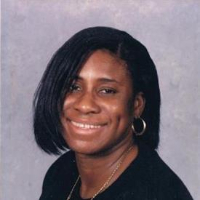
Dr. Colleen Downes
LCSW
Licensed Clinical Social Worker - family origins and coping
- Stress, Anxiety
- Self esteem
- Career

Mi Jung You
LMHC
Licensed Mental Health Counselor - Family patterns and relationships
- Stress, Anxiety
- Relationship
- Family
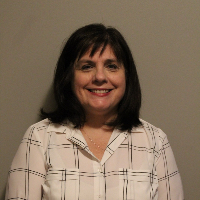

Kathleen McNamara
LCSW-R
LCSW-R focused on relationships and transitions
- Addictions
- Grief
- Intimacy-related issues
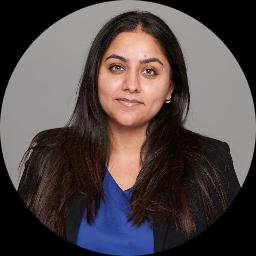
Hajra Munir
LMHC
LMHC in New York - Family and relationship concerns
- Stress, Anxiety
- Relationship
- Family

Keith Brown
LCSW-R
Licensed Clinical Social Worker - Family of origin, Anxiety
- Stress, Anxiety
- Trauma and abuse
- Depression

Esther Priegue
LCSW
LCSW in New York - Family of origin and mood concerns
- Stress, Anxiety
- Trauma and abuse
- Self esteem


Mahiboob Syed-Vardhan
LMHC
LMHC in New York - Family and Relationship focus
- Stress, Anxiety
- Relationship
- Family

Velma Jones
LCSW
LCSW in New York - family of origin and relationship focus
- Stress, Anxiety
- Relationship
- Trauma and abuse

Adewale (Wale) Adegbenle
LCSW
LCSW - Addictions and Family Patterns
- Addictions
- Trauma and abuse
- Self esteem

Daniel Silverstein
LMHC
Licensed Mental Health Counselor - Relationships and Mood
- Stress, Anxiety
- Relationship
- Parenting

Lily Divino
LCSW
Licensed Clinical Social Worker - Stress and Trauma
- Stress, Anxiety
- Trauma and abuse
- Depression

Daniel Minuchin
LMFT
LMFT in New York - Relationships and Family Concerns
- Stress, Anxiety
- Relationship
- Family

Laurie Siegel
LCSW
Licensed clinical social worker - Family and mood concerns
- Stress, Anxiety
- Family
- Self esteem

Robert Curriden
LMHC
LMHC in New York - trauma and self-esteem
- Trauma and abuse
- Self esteem
- Depression
Amanda Grant
LCSW
LCSW - relationships and trauma
- Relationship
- Trauma and abuse
- Intimacy-related issues

Cassandra 'Cassi' Robbins
LMHC
LMHC in New York - Family and relationships
- Stress, Anxiety
- Relationship
- Family

Michael Dautrich
LCSW
Licensed Clinical Social Worker - Family of origin and addiction concerns
- Stress, Anxiety
- Addictions
- Relationship

Samantha Butler
LMHC
Licensed Mental Health Counselor - Anxiety and Parenting
- Stress, Anxiety
- Trauma and abuse
- Grief

Nicole Turso
LMHC
Licensed mental health counselor - stress and relationships
- Stress, Anxiety
- Relationship
- Self esteem

Denise Garcia Loaiza
LCSW
LCSW in New York - Stress and Relationship Concerns
- Stress, Anxiety
- Relationship
- Trauma and abuse
Karen Lago-Fairey
LCSW
Licensed Clinical Social Worker - Family patterns and addictions
- Stress, Anxiety
- Addictions
- Relationship


Adriana Cortes
LCSW
LCSW in New York - Family of origin and mood concerns
- Stress, Anxiety
- Addictions
- Self esteem
Some links on this page are partner links. We will earn a commission if you sign up through one, at no cost to you. It does not change what you pay or the order of the listings.
Understanding online therapy in New York
Online therapy has become a standard option for many people in New York looking for counseling and psychotherapy. Whether you live in New York City, a suburban neighborhood on Long Island, the Hudson Valley, or a rural county upstate, teletherapy expands the ways you can connect with clinicians. In New York state, clinicians who provide remote services to residents must hold a New York license for the profession they practice. That requirement means the therapists you find here have met the licensure standards set by New York regulators, which helps you focus on matching with someone who lists the kinds of experience, populations and approaches that matter to you.
Technological platforms and practice styles vary, so online therapy can look different from one clinician to the next. Some therapists maintain a mix of in-person and remote work while others work primarily online. When you read profiles, you will see listed approaches, areas of focus and demographic or cultural competencies. Those listings reflect what a therapist highlights about their work, and they can help you narrow your search before reaching out for an introductory conversation.
Regulatory basics
New York regulates who may practice mental health professions and details what counts as the authorized scope for each license type. Therapists who list specialties such as family systems, trauma work, cognitive-behavioral approaches or family of origin issues are describing their focus areas rather than formal endorsements. If you live in New York and plan to meet with a therapist online, it is appropriate to confirm that they hold the relevant New York license for your needs. More on how to do that appears below.
Benefits of online therapy for New York residents
Online therapy offers practical benefits that make it an attractive choice across the state. You can reduce commute time, which is especially useful in a city where travel can add stress to an already busy schedule. If you live in a region with fewer local options, online sessions expand your access to clinicians who may share your language or cultural background. That broader pool can be important when you are seeking someone who understands specific family of origin dynamics, cultural contexts or life stages.
Beyond convenience, online therapy can support continuity when life demands travel or a move. If you expect transitions in work, school or residence, having a therapist who can meet remotely helps you maintain momentum. Online sessions also allow you to practice skills and do homework in the context of your day-to-day environment. You can apply coping strategies to your real-world situations with guidance from your clinician in subsequent sessions.
Considerations for your setting and technology
When you choose online therapy, consider where you will take sessions so that you can speak openly and focus. Pick a quiet area where interruptions are unlikely and where you feel comfortable discussing personal material. A reliable internet connection and a device with a camera and microphone will make interactions smoother. If technology issues arise, most clinicians will outline backup plans such as switching to a phone call for that session. Be sure to ask about what platforms they use and what to expect for session length, fees and how notes or records are kept.
What issues online therapists in New York commonly help with
Online therapists in New York address a wide range of concerns that people bring to therapy. Many focus on anxiety and depressive symptoms that interfere with daily functioning, but clinicians also work with relationship and family challenges, parenting stress, life transitions, grief, identity exploration and career concerns. Family of origin issues are a common focus among therapists listed here; these address patterns and dynamics that stem from early family experiences and continue to affect relationships and self-understanding in adulthood.
Trauma-related concerns and adjustment after stressful events are also common reasons people seek therapy. Some therapists list trauma-informed approaches among their work areas, and others identify specific methods such as EMDR by noting that they list EMDR among their approaches. If you are looking for work with couples or families, many clinicians describe how they approach relational dynamics and communication patterns. You will also find therapists who highlight work with particular communities or languages, which can be important if cultural understanding and linguistic access are priorities for you.
Matching issue to clinician focus
When reading profiles, look for language that matches the concerns you plan to bring to therapy. Therapists often describe populations they work with, such as adolescents, parents, adult children of immigrants, or those grappling with intergenerational family patterns. That information can help you identify clinicians whose experience aligns with your goals. Keep in mind that a profile is a starting point for conversation; an initial outreach is how you will learn more about a therapist's approach and whether it feels like a fit.
How to verify a therapist's license in New York
Verifying licensure is an important step you can take before starting work with a clinician. New York maintains an online registry for health and mental health licenses where you can search by name and license type. When you find a therapist's record, confirm the license classification shown - for example, clinical social worker, licensed mental health counselor, marriage and family therapist or psychologist - and note whether the license is active. The registry may also list the date of issuance and any public disciplinary actions or limitations tied to the license.
If you encounter a name that returns multiple records, check identifying details such as city or license number to be sure you are viewing the correct profile. If you have questions about interpreting the information you find online, the state office that handles professional licensing can provide guidance on how to read records and what steps to take if you suspect an issue. Keeping a copy or screenshot of the license information you checked can be useful for your own records.
What to look for beyond status
License status is a baseline, but also look for professional designations and educational background listed in profiles. Many therapists describe additional areas that shape their work such as years of experience with particular populations, languages spoken, or special emphasis on family of origin dynamics. Because profiles are self-reported, it is reasonable to ask clinicians directly about their experience with the concerns you bring and how they approach that work in online sessions.
Getting started with an online therapist and choosing the right fit
Beginning therapy online often starts with an initial outreach where you can ask practical questions. You might inquire about session length, fee structure, whether insurance is accepted and how cancellations are handled. It is appropriate to ask how a therapist structures remote work, what platform they use, and how they manage privacy practices and recordkeeping. These conversations help you form realistic expectations about how sessions will feel and how you will work together.
Choosing a therapist also involves a sense of interpersonal fit. After a few sessions you will have an impression of whether the clinician's style, communication and priorities align with your needs. Trust your sense of comfort and whether the therapist listens to your concerns and adapts explanations to your context. If you want particular approaches, look for therapists who mention those approaches in their profiles. For example, some clinicians list cognitive-behavioral strategies, psychodynamic perspectives, family systems work or note that they list EMDR among their approaches. Those references indicate what they draw on in practice rather than formal endorsements of training.
Practical tips for narrowing choices
When narrowing your options, consider language and cultural match if this matters to you, experience with similar life situations, and how a therapist describes their work with family of origin patterns if that is a focus. You may want to prioritize a clinician who highlights experience with the age group or relationship structure you identify with, or who mentions working with themes such as intergenerational dynamics, caregiving stress, or identity transitions. If cost is a significant factor, ask about sliding scale options or insurance billing during your initial conversation.
Starting therapy is a personal process and it may take time to find the right fit. Use the profiles to gather initial options, make a few contacts, and choose a clinician who explains their approach in a way that resonates with you. Over time, reassess whether the work is helping you meet the goals you set, and communicate openly with your therapist about adjustments to approach or focus as needed.
Finding online therapy in New York can open access to clinicians across regions and backgrounds while ensuring the protections of state licensure. By reviewing profiles carefully, checking license records, and asking targeted questions during initial outreach, you can make an informed choice that supports your goals for change and growth.