Family of origin directory
Family of origin therapists in Florida
579 therapists in this directory hold a license issued in Florida and list family of origin issues among the areas they work with. Sessions are online; a US therapist can usually only see people in a state where they hold a license, so check the license panel on each profile.
Welcome to our directory of online therapists serving Florida. All therapists listed here are licensed in Florida - explore profiles to compare approaches, credentials, and languages.


Andrew Blanchard
LMHC
Licensed Mental Health Counselor - Relationships and Trauma
- Relationship
- Trauma and abuse
- Parenting

Elizabeth Carter
LMHC
Florida LMHC - Family of origin and mood concerns
- Stress, Anxiety
- Trauma and abuse
- Parenting

Ebony McCray-Holmes
LMFT
LMFT in Florida - relationships and family issues
- Relationship
- Family
- Trauma and abuse

Laura Roland
LPC, LMHC
Licensed LPC/LMHC - Family patterns and anxiety
- Stress, Anxiety
- Relationship
- Family

Christy Evans
LCSW
Licensed Clinical Social Worker - Stress and Life Changes
- Stress, Anxiety
- Grief
- Anger

Antoinette Walters
LCSW
Licensed Clinical Social Worker - Anxiety and Relationships
- Stress, Anxiety
- Relationship
- Trauma and abuse

Luissel Cabreja
LMHC
LMHC supporting relationship and family of origin concerns
- Stress, Anxiety
- Relationship
- Trauma and abuse

Dr. Amary Alcide
LCSW
Licensed Clinical Social Worker - Relationships and Life Transitions
- Stress, Anxiety
- Relationship
- Parenting


Virginia Hagen
LMHC
Licensed Mental Health Counselor - Family and mood concerns
- Stress, Anxiety
- Family
- Grief

Sonia Hylton
LCSW
Licensed Clinical Social Worker - Family origin focus
- Stress, Anxiety
- Trauma and abuse
- Grief


David Thomas
LMFT
Licensed marriage and family therapist - relationships and family
- Relationship
- Family
- Trauma and abuse
Shani McCaskill
LCSW
LCSW working with stress and relationships
- Stress, Anxiety
- Relationship
- Self esteem

Lauren Rodriguez
LMHC
Florida LMHC - family of origin and relationships
- Stress, Anxiety
- Relationship
- Trauma and abuse
Karen Cino
LCSW
Florida LCSW - family of origin and relationship concerns
- Addictions
- Relationship
- Self esteem

Janine Gonzalez
LCSW, CSW
Licensed Clinical Social Worker - Family of origin and relationships
- Stress, Anxiety
- Trauma and abuse
- Self esteem


Kathleen Murphy
LMHC
LMHC in Florida - family of origin and life changes
- Stress, Anxiety
- Grief
- Self esteem

Christy Darji
LMHC
Licensed Mental Health Counselor - Family of origin and anxiety
- Stress, Anxiety
- Trauma and abuse
- Parenting

Doris Benrey Boguslavsky
LMHC
LMHC in Florida - family of origin and relationships
- Stress, Anxiety
- Relationship
- Family

Orlando Garcia
LMFT
LMFT focusing on relationships and family of origin issues
- Stress, Anxiety
- Relationship
- Family

Kimberley Rodriguez-Lepp
LMFT
Florida LMFT - Family of origin and relationships
- Stress, Anxiety
- Addictions
- Relationship

Sophia Mas
LMHC
Licensed Mental Health Counselor - Relationships and Mood
- Stress, Anxiety
- Relationship
- Family
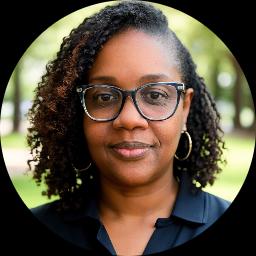
Shelly Mentus
LMHC
Florida LMHC - Relationships and Addiction
- Addictions
- Relationship
- Intimacy-related issues
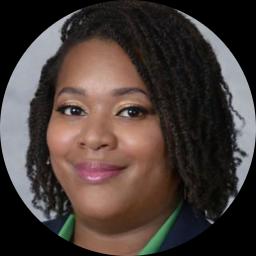

Roseanne Jackson
LCSW, LCSW-R
LCSW in Florida - family of origin and mood concerns
- Stress, Anxiety
- Trauma and abuse
- Grief
Linda Allen
LMHC
Licensed Mental Health Counselor - Relationships and Family Patterns
- Stress, Anxiety
- Addictions
- Relationship

Rebekah Loe
LMHC
LMHC in Florida - family of origin and identity concerns
- Stress, Anxiety
- LGBT
- Trauma and abuse

Dr. Oren Hernández
LMHC, LMFT
Dr. Oren Hernández, LMHC, LMFT - Stress and relationship concerns
- Stress, Anxiety
- Addictions
- Trauma and abuse
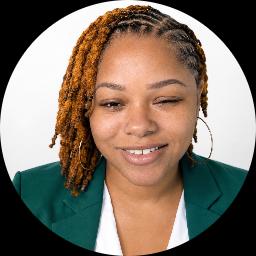
Breonna Willis
LCSW
Licensed Clinical Social Worker - Stress and Relationships
- Stress, Anxiety
- Relationship
- Trauma and abuse
Violeta Bujaroska
LCSW
LCSW - Family of origin and relationship concerns
- Stress, Anxiety
- Relationship
- Family

Edmound Davis
LMFT
LMFT in Florida - Family patterns and relationships
- Stress, Anxiety
- Relationship
- Trauma and abuse

Dr. Daniella Jackson
LMHC
LMHC in Florida - Addictions and Family issues
- Stress, Anxiety
- Addictions
- Relationship

Yvonne King
LMFT
Licensed Marriage and Family Therapist - Relationships and Family Patterns
- Stress, Anxiety
- Relationship
- Grief

Steven Clarke
LMHC
Licensed Mental Health Counselor - Family and life transitions
- Stress, Anxiety
- Family
- Grief


Pamela Grove Gougelman
LCSW
LCSW in Florida - family patterns and coping skills
- Stress, Anxiety
- Trauma and abuse
- Self esteem

Kristen Smith
LMHC
Florida LMHC - family of origin and relationships
- Addictions
- Relationship
- Trauma and abuse

Jacqueline Dougherty
LMHC
LMHC in Florida - family origin patterns and coping
- Stress, Anxiety
- Trauma and abuse
- Grief


Some links on this page are partner links. We will earn a commission if you sign up through one, at no cost to you. It does not change what you pay or the order of the listings.
Overview of Online Therapy Availability in Florida
Online therapy has become a common option for people across Florida who want to access professional support without traveling to an office. Regulations in Florida allow licensed mental health professionals to provide services remotely within the state, and many clinicians list teletherapy as one of their service methods. That means you can connect with therapists who practice from different regions of Florida while maintaining adherence to state licensure requirements. When searching, you will notice that profiles often highlight the modalities a therapist uses, languages spoken, and the populations they focus on. Those details can help you understand how a clinician frames their work and whether their approach aligns with what you are looking for.
Because therapy delivered online relies on technology, the practical experience can vary by clinician. Some therapists emphasize video sessions, while others may offer phone or messaging-based support as part of their practice. Florida law guides how services must be delivered across the state lines, and therapists who work with Florida residents adhere to those statutes. If you are new to online therapy, you will find options that range from clinicians who focus on individual adult work to those who list experience with couples, families, adolescents, or specific cultural communities.
Benefits of Online Therapy for Florida Residents
Online therapy removes many of the logistical barriers that can make it hard to get support. You can save commute time whether you live in a dense urban area like Miami or a rural part of the state. For people juggling shift work, caregiving responsibilities, or seasonal schedules, connecting from home or another familiar location can make it easier to keep regular appointments. In addition, online work can expand your options, allowing you to consider therapists across different cities without the need for travel.
Online sessions can also help you find clinicians who share cultural, linguistic, or identity-based experiences with you. Florida is diverse, and being able to search for therapists who list specific language abilities or who describe experience with particular communities can make it more likely that you will find someone who understands your context. Some people find that the relative distance created by remote work helps them feel more comfortable opening up, while others prefer the structure of a clinician’s office. Either way, online therapy offers flexibility to choose what feels more supportive to you.
Issues Online Therapists in Florida Commonly Help With
Therapists who offer online services in Florida often work with a wide range of life challenges. Many list experience in areas such as stress, anxiety, and depression, while others focus on relationship concerns, parenting challenges, grief, or life transitions like relocation or career change. You will also find clinicians who list approaches for working with trauma-related symptoms, though profiles typically describe the methods they use rather than asserting specific certifications.
Beyond mood and relationship concerns, online therapists commonly support people coping with behavioral and identity-related questions, academic and workplace stress, and issues that arise during major life events such as becoming a parent or caring for aging relatives. Some therapists emphasize work with adolescents and young adults, addressing concerns related to school, social media, and identity development. Others highlight couples or family-focused work and describe how they adapt those approaches to an online format. When reviewing listings, look for language that explains the types of problems a therapist helps with and how they describe the goals they aim to support.
How to Verify a Therapist's License in Florida
Because licensing is regulated at the state level, you can confirm that a therapist is licensed to practice in Florida by checking the state's licensing board records. The Florida Department of Health and affiliated boards maintain public directories where you can search by clinician name, license number, or profession. These records indicate the type of license held, the license status, and any public disciplinary history. Verifying licensure is a straightforward way to ensure that a practitioner is authorized to provide mental health services under Florida law.
When you view a clinician profile, pay attention to how they present their credentials. Some profiles will list degrees and license types such as Licensed Clinical Social Worker, Licensed Mental Health Counselor, or Licensed Marriage and Family Therapist. If a profile includes a license number, you can use that number in the state database to confirm details. Keep in mind that online directories rely on clinician-submitted information, so cross-referencing with the state board is a reliable step if you want to confirm a license’s current standing.
How to Get Started and Tips for Choosing the Right Therapist
Getting Started with an Online Therapist
Beginning therapy online typically starts with narrowing your search to clinicians who describe work that aligns with your needs. Review profile summaries for areas of focus, approaches, and languages offered. Many profiles include brief statements about the therapist’s practice style and the kinds of outcomes they aim to support. Once you find a few profiles that seem like a fit, you can reach out through the contact method listed to ask initial questions about their approach, session format, and any logistics you want to understand.
Before your first appointment, consider the environment you will use for sessions. Choose a location where you can speak openly and without interruption. Review any intake paperwork your therapist provides so you understand policies, communication methods, and technical requirements. It is also reasonable to ask about data protection practices and how session notes are handled, since those practical details affect your comfort with remote care.
Tips for Choosing the Right Therapist
Choosing a therapist is a personal decision and there is no single formula that works for everyone. Start by identifying the qualities that matter most to you - whether that is a therapist who lists experience with certain life stages, a clinician who speaks your preferred language, or someone who uses particular approaches. Pay attention to the way a therapist describes their work; clear, straightforward descriptions often help you imagine what the therapeutic process will feel like.
It can be helpful to think about practical considerations alongside clinical ones. Consider the session formats offered, how the therapist communicates about their process, and whether their approach feels aligned with your preferences for collaboration, structure, and pacing. If something in a profile feels unclear, it is acceptable to ask a prospective clinician for clarification before committing to sessions. Your aim is to find someone whose style and stated interests resonate with you, because a good fit often supports deeper engagement and more productive work over time.
Finally, trust your experience as you begin working together. Early sessions can help you gauge whether the therapist’s approach and communication feel productive and respectful. If you find that a particular clinician’s style is not the right match, it is reasonable to continue your search and consider other profiles on this directory until you find a clinician who feels right for your needs.
Online therapy in Florida offers many pathways to support, whether you are focusing on short-term problem solving or longer-term personal growth. Use the directory to compare approaches, languages, and areas of focus so you can select a therapist who aligns with your goals and comfort. Taking the first step may feel challenging, but finding the right clinician can make engaging in therapy more accessible and meaningful for your life.