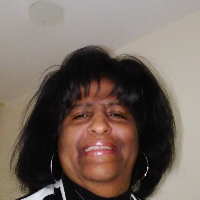
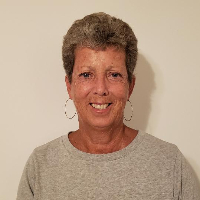
Rev. Sergio Ayala
LCPC, LMHC
Rev. Sergio Ayala - LCPC, LMHC; stress and family concerns
- Stress, Anxiety
- Addictions
- Trauma and abuse
Family of origin directory
192 therapists in this directory hold a license issued in Illinois and list family of origin issues among the areas they work with. Sessions are online; a US therapist can usually only see people in a state where they hold a license, so check the license panel on each profile.
Welcome to the Illinois online therapists directory. All therapists listed here are licensed in Illinois - explore profiles to compare specialties, approaches, credentials and languages.
LCPC, LMHC
Rev. Sergio Ayala - LCPC, LMHC; stress and family concerns
LCPC
LCPC in Illinois - relationships and anxiety
LCPC
LCPC in Illinois - family and relationship concerns
LCSW
LCSW - Stress and family of origin issues
LCSW
LCSW - Mood and family of origin concerns
LCSW
Licensed Clinical Social Worker - Family and relationships
LCPC
LCPC in Illinois - Stress and Family of Origin Issues
LCPC
LCPC in Illinois - family of origin concerns
IL Psychologist
IL Psychologist - Relationships and Parenting
LCPC
Licensed Clinical Professional Counselor - Addiction and family concerns
LCPC
LCPC in Illinois - family of origin and addictions
LCPC
LCPC in Illinois - Family of origin and mood concerns
LCSW
LCSW - Family of origin and relationship concerns
IL Psychologist
Dr. Steven Hurley - Psychologist, family and mood concerns
LCPC, LPC
Licensed counselor - family and trauma concerns
LCPC
Dr. Cassandra April - LCPC, Family and Trauma care
LCPC
Licensed counselor - family of origin and relationships
LCPC
Illinois LCPC - Family and stress concerns
LMHC, LCPC
LMHC and LCPC - Relationships and mood
LCPC
Illinois LCPC - family of origin and mood concerns
LCSW
LCSW in Illinois - Stress and family concerns
LCSW
LCSW focusing on family and trauma issues
LCPC
LCPC - Relationships and Family of Origin Patterns
LCPC
LCPC in Illinois - family of origin and relationships
LCSW
Illinois LCSW - family and relationship concerns
LCPC, LPCC
Licensed counselor - family patterns, coping
LCSW
LCSW - Stress and family of origin concerns
LCPC
LCPC in Illinois - family of origin and relationship issues
LCSW
Licensed Clinical Social Worker - Family and relationships
LCSW
LCSW in Illinois - Family of origin and trauma concerns
Some links on this page are partner links. We will earn a commission if you sign up through one, at no cost to you. It does not change what you pay or the order of the listings.
Online therapy has become a common option for Illinois residents who want to work with a mental health professional without traveling to an office. Many therapists who provide services to people living in Illinois use video sessions, phone calls, or text and messaging options as part of their practice. The rules that govern who may provide therapy remotely are set by state licensing boards, so therapists who offer online sessions to Illinois residents typically hold a license issued by an Illinois board for their credential type. If you live in a rural county or a dense urban neighborhood, online sessions can expand the range of therapists you can consider while allowing you to join sessions from home, a workplace break room, or another setting that works for your schedule.
Technology makes it possible to maintain continuity of care even when life circumstances change. You may find therapists who combine shorter check-ins by messaging with regular video appointments, or who structure longer single-session formats for particular goals. While the modes vary, what matters most is how the therapist organizes sessions, communicates policies, and aligns their approach with your needs. If you are trying online therapy for the first time, expect to find a variety of session styles described in profile summaries so you can pick an approach that feels comfortable.
State licensing and practice rules influence who may legally provide online services to people in Illinois. Practitioners licensed in Illinois are generally able to offer remote care to Illinois residents. Therapists licensed in other states may be restricted from providing clinical services to someone physically located in Illinois unless specific cross-state permissions or emergency provisions are in place. Because regulations evolve, it is wise to check the relevant Illinois licensing authority when you have questions about jurisdiction or telehealth rules.
Online therapy can offer practical advantages that make it easier to begin and continue mental health work. If you live in a region with limited local options, online sessions widen your access to clinicians who focus on the issues you want to address. You may appreciate the time savings from eliminating a commute, which can free up evenings and reduce the logistical burden that sometimes prevents people from getting started. For parents and caregivers, an online model can allow you to fit therapy into a day that already includes school runs or care duties.
Beyond convenience, online sessions can remove geographic barriers so you can look for therapists who share your language, cultural background, or experience with particular life stages. People who want more flexibility in how they engage with therapy may value clinicians who offer varied session lengths or combine different communication methods. Many find that being able to meet from a familiar environment helps them feel more at ease during emotional conversations. When you prepare for a session, choosing a quiet, quiet space where you feel comfortable can improve the experience.
Online therapists in Illinois address a broad range of concerns that people bring to counseling. You can find clinicians who work with mood and anxiety-related concerns, relationship and family dynamics, parenting questions, grief and loss, life transitions such as career change or relocation, and identity-related exploration. Some therapists describe a focus on trauma and its effects, while others emphasize long-term personality patterns or skills-based work to manage symptoms. Profiles often list the kinds of problems a therapist sees most often and the populations they work with, such as teens, adults, couples, or older adults.
When it comes to therapeutic approach, many profiles note common methods without implying a particular credential. For example, you may encounter therapists who list CBT, psychodynamic approaches, family systems work, EMDR among their approaches, or internal family systems among their approaches. Those phrases indicate what a therapist highlights in their practice but are not a substitute for asking how an approach is applied in sessions and how it fits your goals. If you have a specific concern - for instance perinatal adjustment, parenting support, or work-related stress - look for descriptions that explain how the therapist addresses those areas in an online format.
Verifying a therapist's licensure is an important step when you evaluate online providers. Start by identifying the credential you expect to see, such as licensed clinical social worker, licensed clinical professional counselor, marriage and family therapist, or psychologist. Those titles correspond to different licensing boards and designations, so knowing the name on the therapist's profile helps you search accurately. State licensing records typically show whether a license is active, the date it was issued, and whether any disciplinary actions are noted.
To check a license, visit the Illinois licensing board website for the relevant profession and use the public license lookup tool. Enter the clinician's full name or license number to view details. Look for the license status, expiration date, and any public actions or restrictions on practice. If something on a record is unclear, you can contact the board directly for clarification. Keep in mind that titles differ between states, so make sure the license type you see on the public record matches how the therapist describes their credential on their profile.
Beginning online therapy involves a few practical choices so you can find a clinician whose style fits your needs. Start by clarifying what you hope to get out of therapy - symptom relief, relationship change, coping strategies, or deeper exploration of family of origin patterns, for example. Use those goals to narrow profiles by specialties and approaches. Pay attention to languages spoken, experience with particular populations, and whether a therapist describes work with concerns similar to yours. Reading a therapist's profile will help you identify who writes about your issues in a way that resonates.
When you reach out, prepare a few questions that matter to you. You might ask about the therapist's typical session structure, whether they use video or phone sessions, how they handle follow-up between sessions, and what they describe as their preferred approach for the issues you raised. It is appropriate to ask about fees, payment methods, and whether they provide documentation for insurance reimbursement. Also consider practical matters such as what platform they use for sessions and what steps they recommend to ensure a distraction-free environment on your end. A brief initial conversation or message can give you a sense of communication style and whether you feel heard.
Choosing the right therapist is personal and often takes time. You may find that a professional who seems like a good fit on paper feels different in a session, and that is a normal part of the process. Trust your experience in early conversations - if the way a therapist explains their methods or listens to your questions feels aligned with your needs, that is a meaningful indicator. If it does not, it is reasonable to continue looking until you find someone whose approach and manner suit you. Keep in mind that therapists vary in the populations and concerns they emphasize, so a thoughtful search that considers specialties, approaches, credentials, and language can increase the likelihood of a productive match.
When you begin online therapy in Illinois, allow yourself a few sessions to assess whether the therapeutic relationship and the practical arrangements work well. By checking licensure, reading detailed profiles, and asking clear questions about approach and logistics, you can make an informed choice about who to work with. Online therapy can open new possibilities for care, and taking these steps helps you find a clinician who supports your goals in a way that fits your life.