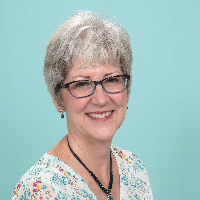
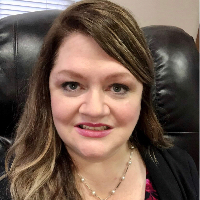
Nicole Onorato Hunter
LPC
Licensed Professional Counselor - family of origin, relationships
- Stress, Anxiety
- Relationship
- Family
Family of origin directory
149 therapists in this directory hold a license issued in Georgia and list family of origin issues among the areas they work with. Sessions are online; a US therapist can usually only see people in a state where they hold a license, so check the license panel on each profile.
Welcome to our directory of online therapists serving Georgia. All therapists listed hold a Georgia license - explore profiles to compare approaches, credentials, languages and experience.
LPC
Licensed Professional Counselor - family of origin, relationships
LPC
Licensed Professional Counselor - Family of origin and relationships
LPC
Dr. Lynda Cokuslu, LPC - Stress and Family patterns
LPC
LPC in Georgia - Relationships and Family Concerns
LPC
Licensed Professional Counselor - Relationships and Family Patterns
LCSW, CSW
Licensed Clinical Social Worker - Family and Relationship issues
LCSW, CSW
Licensed Clinical Social Worker - Family and Stress
LMFT
Licensed Marriage and Family Therapist - Relationships and Anxiety
LPC
Licensed Professional Counselor - Addiction and Trauma
LICSW, LCSW, CSW
LICSW therapist - family of origin and anxiety issues
LMFT
LMFT - Family of origin and relationship patterns
LPC
LPC counselor - family of origin and trauma
LPC
Licensed Professional Counselor - family of origin and anxiety issues
LPC
Licensed Professional Counselor - Stress and Family concerns
LPC
Licensed Professional Counselor - Family issues and mood concerns
LCSW, CSW
Licensed clinical social worker - family and parenting
LCSW, CSW
Licensed Clinical Social Worker - stress and anxiety
LPC
Licensed Professional Counselor - family patterns and relationships
LICSW, LCSW
Licensed clinical social worker - Family and adult concerns
LPC
Licensed Professional Counselor - Family and trauma focus
LPC
Licensed Professional Counselor - Family of origin and relationships
LCSW, CSW
Licensed Clinical Social Worker - Young adult concerns
LIMFT, LMFT
Licensed MFT - Family of origin and relationships
LPC
LPC in Georgia - relationships and family issues
LPC, LCMHC
Licensed counselor - Anxiety and relationships
LCSW, CSW
LCSW in Georgia - family of origin and relationships
LMFT
LMFT - Relationships and Family of Origin issues
LMFT
LMFT in Georgia - Relationships and Anxiety
LPC
Licensed Professional Counselor - family and trauma focus
LPC
LPC in Georgia - Family of origin and mood concerns
LPC
Licensed Professional Counselor - Trauma and family patterns
LPC
Licensed Professional Counselor - Relationships and Loss
LPC
Licensed Professional Counselor - Family of origin and relationships
LPC
Licensed Professional Counselor - Family and relationships
LPC
LPC counselor - relationships and sexual concerns
LPC
Licensed Professional Counselor - Family and relationship concerns
LPC
Licensed Professional Counselor - Relationships and Family Patterns
LCSW, CSW
Licensed Clinical Social Worker - Trauma and family patterns
LPC
Licensed Professional Counselor - Relationships and Family
Some links on this page are partner links. We will earn a commission if you sign up through one, at no cost to you. It does not change what you pay or the order of the listings.
If you live in Georgia, online therapy has become a widely used way to connect with mental health professionals without traveling to an office. Providers who offer telehealth-style sessions typically meet with clients by video or phone, and many list a range of approaches and focus areas on their profiles so you can see who aligns with your needs. Because state licensure governs practice, therapists on this directory hold licenses that allow them to provide services to people in Georgia. Online formats can be offered by clinicians in-state and sometimes by those licensed elsewhere when state rules allow, so it helps to pay attention to the licensure information on each profile as you review options.
Online therapy models vary. Some clinicians structure weekly psychotherapy sessions similar to in-person work, while others specialize in time-limited coaching-style work, couples counseling via video, or targeted interventions for specific concerns. Profiles often list therapeutic approaches, such as cognitive-behavioral methods, psychodynamic perspectives, family systems work, or trauma-informed practices; when you read that a therapist lists a particular approach, that indicates it is part of how they describe their work rather than a guarantee of specific certification. Reviewing profiles gives you a sense of the ways different clinicians describe their experience and the populations they work with.
When you choose an online therapist, you can reduce the travel and scheduling constraints that sometimes make it hard to attend regular sessions. For people living in rural parts of Georgia, the ability to meet by video or phone may expand the range of clinicians you can see, which can be especially helpful if you want a therapist who focuses on family-of-origin issues, trauma, parenting, or cultural competence. Online formats can also make it easier to maintain continuity if you move within the state or if your work and family commitments change over time.
In addition to convenience, online therapy often provides flexibility in how you arrange sessions. You can meet from home, a car between errands, or another location where you can sit in a quiet space during the session. Many people find that being able to connect from a familiar environment helps them feel more at ease when starting therapy. Online sessions may also reduce the stress of commuting and make it simpler to fit support into a busy week.
Online therapists in Georgia work with a broad range of concerns. You can seek help for anxiety, persistent low mood, relationship difficulties, parenting challenges, grief and loss, workplace stress, life transitions, or struggles rooted in family-of-origin dynamics. Some clinicians highlight experience working with trauma-related symptoms, while others describe approaches aimed at improving communication or resolving conflict in couples and family relationships. When exploring profiles, you will often see clinicians describe populations they work with, such as adolescents, adults, older adults, parents, or couples, and notes about cultural or community topics they address.
Because therapists describe their methods differently, it is useful to look for language that matches how you prefer to work. Some profiles will emphasize skills-based approaches that focus on strategies and symptom relief, while others center on exploring long-standing patterns and family history. You may also find clinicians who list integrative or relational approaches, and therapists who list EMDR among their approaches or cognitive-behavioral therapy among their approaches. These listings indicate the approaches that therapists include in their practice descriptions rather than formal accreditation statements.
Verifying a therapist's licensing helps you confirm they are authorized to practice in Georgia and can alert you to any public disciplinary history. Start by noting the license type and license number that appears on the therapist's profile. Then search the official Georgia professional licensing site - you can find it by searching for the state licensing board or the Georgia Secretary of State professional license lookup. Enter the clinician's name or license number to view the current status, expiration date, license classification, and any public records related to disciplinary actions.
When you look up a license, pay attention to the exact title of the license, such as licensed professional counselor or licensed clinical social worker, and the scope of practice associated with that credential. If you have questions about what a particular license allows a clinician to do, the licensing board site typically has explanatory resources or contact information for staff who can clarify rules. Keep a record of the license verification for your reference and note any questions you want to raise directly with the therapist during an initial conversation.
Beginning online therapy is a process that usually starts with exploring profiles and then reaching out to a clinician whose work resonates with you. As you review profiles, look at descriptions of approach, client focus, languages spoken, and educational background to get a sense of fit. When you contact a therapist for an initial conversation, it is appropriate to ask about the kinds of concerns they work with, their typical session structure, the length of sessions, and the forms of payment they accept. You can also ask about how they handle paperwork and informed consent for remote work so you understand technical and administrative steps before your first session.
Prepare for your first online session by ensuring you have a stable internet connection, a device with a camera and microphone if you plan to use video, and a comfortable place to sit. Choose a quiet space where you will be able to talk without interruption. Many therapists send intake forms to complete in advance and will cover communication preferences, emergency protocols, and expectations for sessions during an initial meeting. Taking a few minutes to write down what you hope to address and any questions about approach or timing can make that first conversation more focused and useful.
Selecting a therapist is ultimately a personal decision about fit, working style, and shared goals. Start by narrowing profiles based on the issues you want help with and the kinds of approaches that appeal to you. Compare credentials and educational background as one piece of the picture, and consider whether language, cultural understanding, or experience with certain age groups matters for your needs. Reading how therapists describe their work and the populations they serve can give you insight into whether their practice aligns with your expectations.
When you have a few candidates, you might reach out to ask brief questions about how they work with people who have concerns like yours. Pay attention to how they communicate and whether their answers feel clear and respectful. Compatibility often matters more than specific terminology, so trust your sense of whether a clinician's style feels like something you could work with over time. If a particular therapist lists an approach you are curious about, you can ask them to describe what that approach looks like in practice and how it might apply to your situation. That conversation can help you make an informed choice without relying on labels alone.
Finally, remember that starting therapy is a step toward exploring changes you want to make. You can expect the process to involve trial and adjustment as you and your therapist find the right rhythm. If an approach does not feel like the right match, it is reasonable to discuss alternatives or to consider another clinician whose descriptions align more closely with your preferences. Taking time to review profiles thoughtfully and to prepare for an initial conversation will help you find a clinician whose work supports the outcomes you hope to achieve.
Use the directory above to browse licensed online therapists serving Georgia and to compare approaches, credentials and languages. By taking a few moments to review profiles and verify licensure, you will be better prepared to reach out and begin a productive dialogue with a clinician who meets your needs.