Family of origin directory
Family of origin therapists in Massachusetts
57 therapists in this directory hold a license issued in Massachusetts and list family of origin issues among the areas they work with. Sessions are online; a US therapist can usually only see people in a state where they hold a license, so check the license panel on each profile.
Welcome to the Massachusetts directory for online therapists. All therapists listed here are licensed in Massachusetts and offer virtual services across the state. Explore profiles to compare approaches, languages, and experience to find a fit for your needs.


Nadia Jackson
LMHC
LMHC in Massachusetts - Stress and family patterns
- Stress, Anxiety
- Grief
- Self esteem

Thomas Stewart
LMFT, LMHC
LMFT and LMHC focusing on family issues and addiction
- Addictions
- Family
- Trauma and abuse


Ronald Seletsky
LMHC
LMHC in Massachusetts - Family of origin and life transitions
- Stress, Anxiety
- Trauma and abuse
- Self esteem

Andrew Oxman
LMHC
LMHC in Massachusetts - family patterns and life changes
- Stress, Anxiety
- Grief
- Self esteem
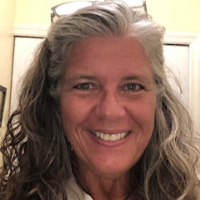

David M Poles
LMHC
LMHC in Massachusetts - relationships and family issues
- Addictions
- Relationship
- Family

Chabreah Alston
LMHC
Licensed Mental Health Counselor - family origins, relationships
- Stress, Anxiety
- LGBT
- Relationship



Chaya Aspir
LCSW, LICSW
Licensed clinical social worker - family origins and anxiety
- Stress, Anxiety
- LGBT
- Trauma and abuse

Bruce Barrett
LMHC
LMHC - Addiction and Family of Origin issues
- Stress, Anxiety
- Addictions
- Trauma and abuse

Elsbeth Riemer
LMHC, LMFT
MA LMHC, LMFT - Family and relationship concerns
- Stress, Anxiety
- Relationship
- Family

Jessica Gerson
LICSW, LCSW
LICSW therapist - family of origin and anxiety work
- Stress, Anxiety
- LGBT
- Parenting

Jessica Senecal-Bennett
LICSW, LCSW
LICSW and LCSW - anxiety and relationship concerns
- Stress, Anxiety
- Career
- Depression



DawnMarie "Dawn" Cenedella
LMHC
LMHC in Massachusetts - Family of origin and anxiety care
- Stress, Anxiety
- Relationship
- Self esteem

Sarah Bulwinkle
LMHC
LMHC in Massachusetts - Family and mood concerns
- Family
- Trauma and abuse
- Parenting
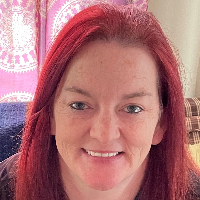
Kathleen O'Connor
LICSW
LICSW in Massachusetts - Family and mood concerns
- Addictions
- Trauma and abuse
- Bipolar


Betsy Offermann
LCSW-C, LICSW
Licensed social worker - family and trauma focus
- Stress, Anxiety
- Relationship
- Family

Katherine Villard-Pichierri
LMHC
LMHC in Massachusetts - family of origin and trauma
- Stress, Anxiety
- Trauma and abuse
- Grief

Kathleen Connolly
LICSW
LICSW - Life transitions and family patterns
- Stress, Anxiety
- Self esteem
- Career

Kathryn "Kathy" Proctor
LICSW
LICSW in Massachusetts - Family and grief focus
- Stress, Anxiety
- Relationship
- Family



Jennifer Hogue
LMHC
LMHC in Massachusetts - Anxiety and Family concerns
- Stress, Anxiety
- Addictions
- Relationship

James Smith
LMHC
LMHC in Massachusetts - Family of origin and relationships
- Stress, Anxiety
- Addictions
- Relationship

Alyse Scanlon
LICSW
LICSW focused on anxiety and relationships
- Stress, Anxiety
- Relationship
- Trauma and abuse


Mary Aubrey
LICSW
LICSW in Massachusetts - family and relationship focus
- Stress, Anxiety
- Relationship
- Family

Dr. Joanne Hadlock
MA Psychologist
MA Psychologist - Family and Relationship Concerns
- Family
- Self esteem
- Career



Tanya Edwards
LICSW, LCSW, CSW
Licensed clinical social worker - grief and life changes
- Grief
- Self esteem
- Depression



Jennifer Doane
LICSW
LICSW focusing on life transitions and family issues
- Stress, Anxiety
- Grief
- Self esteem

Mozhdeh Fallahazad
LICSW
Licensed social worker - family and mood concerns
- Stress, Anxiety
- Family
- Parenting


Amanda Vaughan
LMHC
LMHC in Massachusetts - Family of origin and relationships
- Stress, Anxiety
- Relationship
- Self esteem

Shawn Mcgivern
LMHC
LMHC in Massachusetts - family of origin focus
- Stress, Anxiety
- Relationship
- Trauma and abuse


Jessica Hartmann
LICSW
LICSW in Massachusetts - family and anxiety concerns
- Stress, Anxiety
- Trauma and abuse
- Grief

Eric Sweitzer
MA Psychologist
MA Psychologist - Relationships and Family Issues
- Stress, Anxiety
- Relationship
- Family

Lynda Ketcham
LICSW
LICSW in Massachusetts - Family of origin and life changes
- Stress, Anxiety
- Grief
- Self esteem
Some links on this page are partner links. We will earn a commission if you sign up through one, at no cost to you. It does not change what you pay or the order of the listings.
Overview of online therapy availability in Massachusetts
Online therapy has become a common option for people across Massachusetts who want flexible access to mental health support. Many clinicians who work with Massachusetts residents offer video or phone sessions that allow you to meet from home, work, or another quiet location. In most cases you will connect with a clinician who is licensed in Massachusetts, and profiles on this site make it easier to see which practitioners list telehealth among their ways of working. Regional differences in broadband access and scheduling patterns can influence how people use online therapy, but overall you will find clinicians who describe a wide range of approaches, professional backgrounds, and languages spoken. Because regulations and reimbursement rules can evolve, it helps to read each profile carefully to learn what the clinician lists about their approach, professional credential, and the populations they commonly work with.
Benefits of online therapy for Massachusetts residents
When you choose online therapy, you may find practical benefits that fit a busy life in Massachusetts. You can reduce time spent commuting, which is especially helpful if you live farther from mental health providers or if weather and transit can complicate travel. Online sessions can also make it easier to maintain continuity of care when you move between cities within the state or have a schedule that varies from week to week. Many people appreciate the ability to choose from clinicians who list specific approaches or who speak particular languages, expanding the pool of potential matches beyond what is available locally. Online work can also enable continuity during life transitions such as starting a new job, attending school, or caring for family. It is important to pick a setting at home or elsewhere where you feel comfortable and able to focus, and to confirm technical requirements like internet speed and device compatibility before your first appointment.
What types of issues online therapists in Massachusetts commonly help with
Therapists who offer online sessions in Massachusetts address a broad spectrum of concerns. You will find clinicians who describe working with relationship challenges, family dynamics, life-stage transitions, stress and burnout, grief and loss, mood concerns, and anxiety-related struggles. Some clinicians emphasize approaches for parenting and family-of-origin issues, while others focus on coping strategies for work-related stress or support for major life changes. Certain profiles note clinical approaches such as cognitive-behavioral methods, narrative approaches, trauma-focused work, emotion-focused methods, or mindfulness-based practices; phrasing like "therapists who list EMDR among their approaches" is used because a listed approach on a profile does not by itself demonstrate credentials. Reading profiles will help you learn which clinicians describe experience with the issues you are facing and which approaches they tend to use to support change over time.
How to verify a therapist's license in Massachusetts
If you want to check that a clinician is licensed to practice in Massachusetts, there are straightforward steps you can take. Start by looking for licensure information on the clinician's profile or professional website, where many practitioners include their license type and the state where they are licensed. You can ask the clinician directly for their license number and the issuing board if that information is not already available. With a license number or the clinician's full name, use the Massachusetts state licensing board's public license lookup tool to confirm the license type, its current status, and the expiration date. That lookup may also show whether any disciplinary actions have been recorded. If you have questions about what you find, contact the licensing board by phone or email to request clarification. It is also helpful to understand the difference between license types - for example, licensed clinical social worker, psychologist, or licensed mental health counselor - because the scope of practice and professional titles vary. Verifying licensure gives you a clearer picture of the credentials a clinician holds and where they are authorized to practice.
How to get started with an online therapist and tips for choosing the right fit
Beginning online therapy starts with a few practical steps and some reflection about what you need. First, clarify why you want support and what outcomes you hope for - that could be symptom relief, improved relationships, or better tools for stress management. Use the directory to read clinician profiles and note those who describe working with your concerns, who list approaches that appeal to you, or who speak the language you prefer. When you contact a clinician, ask about their approach to therapy, the kinds of clients they commonly see, and how they structure sessions. You may want to ask how they integrate telehealth into their work and what technology they typically use, so you can confirm that your device and internet connection will be compatible. Be prepared to discuss fees and payment methods, and to ask whether they work with insurance providers or offer sliding scale options if cost is a consideration.
Choosing the right therapist often comes down to how you feel during an initial conversation or consultation. Pay attention to whether the clinician listens to your concerns, answers questions in a way you understand, and describes a plan that feels realistic. Consider practical factors such as session length, communication style, languages spoken, and cultural background if those matter to you. If you are looking for specialized experience, seek clinicians who explicitly describe work with particular populations or issues. Remember that it is okay to try a few different clinicians before you find the one who fits your style and needs. You should also create a comfortable environment for sessions - a quiet room, good lighting, and minimal interruptions help you get the most from online work. Finally, set realistic expectations for early sessions: therapy is a process, and clear communication with your clinician about goals and preferences can help you make steady progress.
Next steps
As you explore Massachusetts online therapist profiles on this site, focus on the match between your needs and a clinician's described approach, experience, languages, and professional credential. Start with an introductory conversation to get a sense of rapport and practical logistics, and use the state license lookup if you want to confirm licensure details. Thoughtful preparation and clear communication will help you make the most of online therapy and find a clinician who supports the changes you want to make.