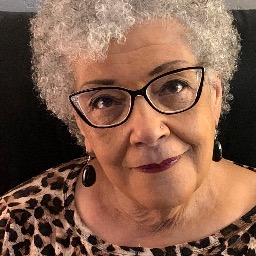
Bruce Johnson
LPC
Licensed Professional Counselor - Anxiety and Depression
- Stress, Anxiety
- Trauma and abuse
- Anger
Family of origin directory
185 therapists in this directory hold a license issued in Michigan and list family of origin issues among the areas they work with. Sessions are online; a US therapist can usually only see people in a state where they hold a license, so check the license panel on each profile.
Welcome to our directory of online therapists serving Michigan. All therapists listed here are licensed; explore profiles to compare approaches, credentials, experience and languages.
LPC
Licensed Professional Counselor - Anxiety and Depression
LPC
Licensed Professional Counselor - Relationships and Family
LMSW
LMSW focusing on trauma and attachment
LPC
Licensed Professional Counselor - anxiety and trauma
LMSW
LMSW therapist - family of origin & relationships
LMSW
LMSW - relationships and family patterns
LMSW
LMSW - Stress and Relationship concerns
LMSW, LISW
Licensed social worker - family patterns and relationships
LPC
Licensed Professional Counselor - Stress and Relationships
LPC
Licensed Professional Counselor - Family patterns and relationships
LPC
Licensed Professional Counselor - Stress and Family concerns
LMFT
LMFT - Relationship and Family concerns
LMSW
LMSW helping adults with family of origin issues and transitions
LMSW
LMSW - stress and family of origin concerns
LPC
LPC in Michigan - relationships and life transitions
LMSW
LMSW - Mood and family of origin concerns
LMSW
LMSW helping with stress and relationships
LCPC, LPC
Dr LCPC LPC - Family of origin and relationships
MI Psychologist, IL Psychologist
Dr. Chelsea Dumas - Clinical Psychologist, Addiction and Family Concerns
LMSW
LMSW focusing on relationship and family patterns
MI Psychologist
MI Psychologist - Family and Mood concerns
LMSW
LMSW in Michigan - Family and Trauma focus
LPC
LPC in Michigan - family and relationship concerns
LPC
LPC counselor - family of origin and relationships
LPC
LPC in Michigan - addictions and mood concerns
LPC
Licensed Professional Counselor - Stress and Relationships
LPC
LPC in Michigan - relationship and trauma focus
MI Psychologist
Michigan psychologist - family of origin, mood concerns
LPC, LPCC
Licensed counselor - Addictions and relationships
LMSW
LMSW offering support for mood and family patterns
LPC
Licensed Professional Counselor - Relationships and Family
LMSW
Licensed social worker - relationships and anxiety
LMSW, LCSW
LMSW, LCSW - relationships and family concerns
Some links on this page are partner links. We will earn a commission if you sign up through one, at no cost to you. It does not change what you pay or the order of the listings.
Online therapy has become a common way for people across Michigan to connect with a therapist from home, work or another personal setting. Whether you live in a densely populated metro area or a rural community, video and phone-based sessions expand your options by removing geographic barriers. In Michigan, therapists who provide online services typically indicate their service format and the populations they work with on their profiles, so you can get a sense of who might match your needs before you reach out. The directory gathers those profiles in one place so you can read about approaches, languages spoken, and professional credentials that help you narrow possibilities.
When considering online therapy you should pay attention to how a therapist describes their focus and approach. Some clinicians list common approaches such as cognitive behavioral therapy, psychodynamic work or emotion-focused methods among their approaches. Others emphasize population focus - for example working with adolescents, couples, or people navigating family of origin issues. Profiles often include short bios and information about the kinds of concerns a therapist commonly works with, which can help you decide who to learn more about. Keep in mind that what is listed on a profile describes the therapist's stated orientation and experience rather than formal outcomes data.
Online therapy offers practical benefits that are particularly relevant in a state with a wide range of community sizes and transportation needs. You can reduce commute time and avoid weather-related travel, which matters in Michigan winters. That convenience makes it easier to fit sessions into a busy week, maintain continuity when schedules shift, and connect from locations that feel comfortable and familiar to you. If you live far from a therapist who specializes in your concern, online sessions increase your access to practitioners whose backgrounds and languages better match what you are seeking.
Beyond convenience, many people find that online sessions allow for different kinds of emotional and logistical flexibility. You may feel more at ease opening up when you are in a familiar environment, and you can more easily coordinate care with family or other providers when needed. If you are exploring therapy for the first time, online options can make the initial step less intimidating because you are not traveling to an unfamiliar office. That said, a successful online experience often depends on having a reliable internet connection, a device with video capability if you prefer face-to-face interaction, and a quiet personal area where you can speak freely during sessions.
Online therapists in Michigan work with a broad range of concerns similar to what you would find in in-person care. Many profiles describe focus areas such as anxiety, depression, relationship and family issues, life transitions, grief, and stress management. Therapists also frequently list experience supporting people with trauma-related concerns, work-life balance, parenting challenges, and identity-related questions. When reading profiles, you will encounter therapists who list specialized approaches among their approaches, such as EMDR, cognitive behavioral therapy, relational therapies, or internal family systems, and who describe populations they commonly work with, like adolescents, couples, or parents.
Because therapists report their typical focus areas in narrative form, you can often read examples of the kinds of situations they help address and the goals they set with clients. Some clinicians emphasize short-term, goal-oriented work while others describe longer-term exploration. You should look for language that resonates with your expectations - whether you want practical coping skills, support through a specific life challenge, or deeper work on family-of-origin dynamics. Language options are another important factor; if you prefer to speak in a language other than English, many profiles indicate the clinician's other language skills.
Verifying a therapist's license is an important step to confirm that the clinician is recognized by the state's regulatory system. To start, locate the therapist's full name as it appears on their profile and note any credential abbreviations that are listed. Use the Michigan licensing search portal or the appropriate state board search tool to look up the clinician by name. These public searches typically show license type, status, expiration date and any disciplinary actions or restrictions that may be on record. Take time to confirm that the license type matches the professional title you expect to see on the profile.
If you have questions about what the search results mean, you can contact the licensing board directly for clarification. Board websites often include guidance on interpreting license statuses and explanations of the different credential categories. You can also ask a clinician to provide their license number and the exact name under which they are licensed so you can perform your own check. If a therapist indicates they practice across state lines, it is reasonable to confirm whether they are licensed to provide services to people who are located in Michigan during sessions; rules about cross-state practice can vary, so looking up licensure in the state where you live is an important safeguard.
When you are ready to start, think through a few practical considerations first. Decide whether you prefer video, phone, or a hybrid approach, and note any language preferences or needs for working with particular populations, such as parents, couples, or teens. Consider whether insurance coverage is a factor for you and have a general sense of your budget and potential session format. Many profiles include information about the clinician's approaches and population focus, which can help you create a short list of therapists whose descriptions align with your goals.
When you reach out to a therapist ask about their approach to the concerns you want to address and how they typically structure sessions. You might ask how they describe the first few sessions, how they set goals with clients, and what kinds of strategies or methods they frequently use. If a therapist lists specific approaches among their approaches - for example cognitive behavioral techniques, EMDR or narrative methods - ask how those approaches might be applied in your situation. It is also appropriate to ask about session length, the technological platform used for online meetings, and whether they can work in your preferred language.
Choosing the right therapist often comes down to a combination of professional fit and personal comfort. Pay attention to whether the clinician's communication style and stated values match what you find important. Some people prioritize direct, structured work while others prefer an exploratory, relational approach. You should feel that the therapist listens to your goals and explains how they would work with you in a way that makes sense. If practical considerations like scheduling, fees, and session format align with what you need, those factors can help you narrow your choice.
In the first few sessions you can expect to discuss your reasons for seeking therapy, the history relevant to your concerns, and what you hope to achieve. A therapist will typically ask about current symptoms or patterns, important relationships and stressors, and any prior experience with therapy. This is also a good time for you to share preferences about communication and to ask how progress is typically tracked. If you are working with a therapist who lists specific techniques or approaches among their approaches, they may explain how those methods are introduced and integrated into sessions. The first sessions are an opportunity to assess whether the therapist's style supports your needs and to agree on goals and practical arrangements.
Finally, prepare your environment so you can focus during sessions. Choose a quiet, comfortable area where you can speak freely and minimize interruptions. Test your internet connection and device ahead of time if you plan to use video, and have a backup plan for audio-only contact if needed. With some planning and clear communication, online therapy can be a practical and effective way to get support in Michigan. Use the directory profiles to explore your options, learn about approaches and backgrounds, and reach out to clinicians whose descriptions resonate with what you are seeking.