Family of origin directory
Family of origin therapists in Minnesota
94 therapists in this directory hold a license issued in Minnesota and list family of origin issues among the areas they work with. Sessions are online; a US therapist can usually only see people in a state where they hold a license, so check the license panel on each profile.
Welcome to our Minnesota directory for online therapy. All therapists listed here are licensed in Minnesota, so you can explore profiles to compare approaches, credentials, languages, and experience.


Stephanie Sligo-Baker
LICSW
LICSW in Minnesota - Family of origin and trauma
- Stress, Anxiety
- LGBT
- Trauma and abuse


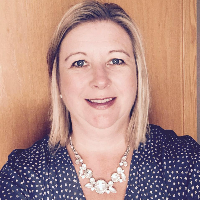
Julie Duncan
MN Psychologist
Minnesota Psychologist - Family and mood concerns
- Stress, Anxiety
- Addictions
- Relationship

Katie Shadrick
LPCC
LPCC in Minnesota - Family of origin and mood concerns
- Stress, Anxiety
- Trauma and abuse
- Grief
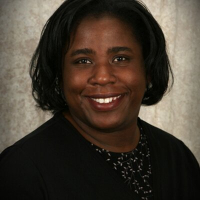

Sara Kaczmarek
LMFT
Minnesota LMFT - Family and Relationship concerns
- Stress, Anxiety
- Relationship
- Family


Lisa Rivers
MN Psychologist
Minnesota psychologist - family of origin and relationships
- Stress, Anxiety
- Relationship
- Anger

Sheila Sutherland
LICSW
LICSW in Minnesota - Stress and Anxiety
- Stress, Anxiety
- Self esteem
- Depression

Mitchell Daas
LPCC
Licensed Professional Clinical Counselor - Family and mood concerns
- Stress, Anxiety
- Relationship
- Trauma and abuse

Catherine Kimrey
LMHC, LPCC
LMHC LPCC - Stress and relationship concerns
- Stress, Anxiety
- Relationship
- Grief

Dr. Mary Del Vecchio
LPC
LPC - Relationships and Family of origin issues
- Stress, Anxiety
- Relationship
- Family

Cheryl Patterson
LMFT
LMFT in Minnesota - family and recovery focus
- Stress, Anxiety
- Addictions
- Relationship

Dr. Mark Thelen
MN Psychologist
Minnesota psychologist - family and relationship focus
- Stress, Anxiety
- Trauma and abuse
- Anger


Kristin Jurkowski
LPCC
LPCC in Minnesota - relationships and life changes
- Stress, Anxiety
- Relationship
- Grief



Joan Bullemer
LPCC
LPCC in Minnesota - Family of origin and mood concerns
- Stress, Anxiety
- Addictions
- Trauma and abuse

Rebecca Zabinski
LPCC
LPCC in Minnesota - Family and relationship concerns
- Stress, Anxiety
- Relationship
- Family

Shirley Butcher
LPCC
LPCC in Minnesota - Family of origin and trauma focus
- Stress, Anxiety
- Addictions
- LGBT

Kathryn ("Katie") Pratt
LPCC
Minnesota LPCC - Family of origin and stress concerns
- Stress, Anxiety
- Addictions
- Relationship

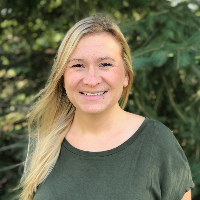
Nicolette Ulstrom
LMFT
Licensed Marriage and Family Therapist - Family issues
- Stress, Anxiety
- Addictions
- Relationship

Nicholas "Nick" Cross
LICSW
LICSW - Stress and family of origin issues
- Stress, Anxiety
- Anger
- Self esteem

Stacey Tweedt
LPCC
Licensed counselor - family of origin and mood concerns
- Stress, Anxiety
- Addictions
- Relationship

Steven "Steve" Allen
LICSW
LICSW in Minnesota - Therapy for adults
- Stress, Anxiety
- Relationship
- Career

Dr. Emmanuel Oppong
LPCC
Licensed Professional Clinical Counselor - Family patterns and relationships
- Stress, Anxiety
- Addictions
- Relationship



April Justice
LICSW
LICSW in Minnesota - Family of origin and women's issues
- Stress, Anxiety
- Grief
- Self esteem

Bridget Stevens-Murphy
LICSW
LICSW - Family of origin and relationships
- Stress, Anxiety
- Family
- Trauma and abuse

Gracia Clark
LPC, LPCC
LPC LPCC - Relationships and family patterns
- Stress, Anxiety
- Addictions
- Relationship

Aaron Neumann
LPCC
LPCC counselor - family of origin and addiction concerns
- Stress, Anxiety
- Addictions
- Relationship

Gail Pedersen
LICSW
LICSW in Minnesota - Relationships and Anxiety
- Stress, Anxiety
- Relationship
- Trauma and abuse

Ann Bodensteiner
MN Psychologist
Minnesota Psychologist - relationships and family
- Relationship
- Family
- Self esteem

Rick (Richard) Jackson
LICSW
LICSW - Relationships and Family Issues
- Stress, Anxiety
- Relationship
- Family

Dr. Jennifer Gildner
CA Psychologist, WA Psychologist
Psychologist - Family of origin and anxiety issues
- Stress, Anxiety
- LGBT
- Grief


Michael Anderson
LICSW
LICSW in Minnesota - Family and individual concerns
- Stress, Anxiety
- Addictions
- Trauma and abuse


Teri Struthers
LPCC
Licensed Professional Clinical Counselor - relationships and transitions
- Stress, Anxiety
- Relationship
- Self esteem


Alaine Lagasse
LPC, LPCC
Licensed counselor - family of origin and trauma
- Stress, Anxiety
- Addictions
- Trauma and abuse

Mary Gales-Wenz
LICSW
LICSW - Family patterns and mood concerns
- Stress, Anxiety
- Addictions
- Trauma and abuse

Susan Henry
LISW, LCSW
Licensed social worker - family origin and relationships
- Stress, Anxiety
- Relationship
- Trauma and abuse
Some links on this page are partner links. We will earn a commission if you sign up through one, at no cost to you. It does not change what you pay or the order of the listings.
Overview of online therapy availability in Minnesota
What online therapy looks like across the state
If you live in Minnesota you will find that online therapy has become a common option for many kinds of care. Licensed clinicians who serve Minnesota routinely offer sessions by video and by phone, and some also offer text-based messaging options for between-session check ins. Because telehealth rules and technology have evolved, many practices now describe how they conduct remote sessions in their profiles, including platforms they use, session lengths, and how they address privacy and emergency planning. Online therapy is available to people in both urban centers and smaller towns, and it can be especially useful when travel or weather would otherwise make in-person care difficult.
State rules and where to look for details
Minnesota regulates professional practice through state licensing boards and telehealth guidance. That means therapists who offer remote services must follow state rules that apply to the license they hold. If you are curious about how a particular clinician operates online, their profile often lists whether they work by video, phone, or messaging and the populations they work with. If you have questions about cross-state practice, it helps to check licensing guidance or ask the clinician directly about where they are authorized to provide services.
Benefits of online therapy for Minnesota residents
Convenience, access, and continuity of care
Online therapy can reduce the time you spend commuting and make it easier to fit sessions into a busy week. For residents of Greater Minnesota, remote options can open access to clinicians who are not located nearby, expanding the range of specialties, languages, and experience you can consider. Online sessions also help you maintain continuity during travel or during severe winter weather when leaving home might be impractical. You may find that scheduling is more flexible because remote sessions remove transit time and can be more predictable around work, school, or caregiving responsibilities.
Comfort and practical advantages
Some people find it easier to speak openly from a familiar setting, and others appreciate being in a contained environment when they address difficult topics. Online therapy can reduce the logistical barriers of arranging childcare or taking extended time away from work. If you need to incorporate family members, partners, or distant relatives into sessions, remote formats sometimes make that coordination simpler. While online work may not match every clinical need, it provides meaningful practical benefits that make professional help more approachable for many people.
What types of issues online therapists in Minnesota commonly help with
Frequent concerns addressed in remote therapy
Therapists who offer online services in Minnesota commonly work with anxiety, depression, relationship challenges, family-of-origin issues, life transitions, grief, and stress related to work or school. You will also find clinicians who provide support for parenting questions, coping with chronic illness, and adjustments after major life events. Some clinicians list approaches that focus on trauma, while others emphasize relational work or parenting support. When a profile notes that a therapist uses a particular approach, such as EMDR, internal family systems, or cognitive behavioral methods, understand that the profile is describing what the clinician lists among their approaches rather than a certified endorsement from this directory.
Behavioral health and substance related concerns
Many therapists include substance related issues among the areas they address, and you may find practitioners who describe experience supporting people with patterns of use or recovery work. Clinical approaches can vary and may be described in a clinician profile. If substance related treatment or specialized behavioral interventions are a priority for you, look for clinicians who describe that focus in their biographies and inquire directly about how they structure those conversations in telehealth sessions.
How to verify a therapist's license in Minnesota
Using state resources to check licensure
Verifying a therapist's license is a practical step that helps you understand the clinician's official standing. You can search state licensing board records by name or license number to confirm that a license is active and to view its expiration date and any public disciplinary history. Minnesota has boards that oversee psychology, social work, marriage and family therapy, professional clinical counselors, and substance use professionals, so the type of license you see will depend on the clinician's discipline. A licensing record typically shows the license type, date issued, and whether any sanctions are recorded.
What to look for on a license record
When you review a license record, check the license status and expiration date and note the license type so you understand the clinician's scope of practice. If a record shows disciplinary action or public notes, read the details and consider asking the clinician to explain the context. A licensure check does not replace asking about methods, experience, or how a therapist approaches specific concerns, but it is a useful factual step that can inform your decision making.
How to get started with an online therapist and tips for choosing the right match
Practical first steps to begin remote therapy
Begin by identifying a few clinicians whose profiles reflect the issues you want to work on and the approaches that resonate with you. Read biographies to learn about their focus areas, populations they mention, language skills, and what they say about session format. Once you narrow your list, reach out to request information about fees, what a typical session looks like, how they handle cancellations, and the technologies they use for video or phone sessions. Many clinicians will describe how they address privacy measures and emergency planning for remote work; you may want to ask these questions directly so you understand how they protect your personal information and manage urgent situations.
Choosing a therapist who fits your needs
Finding the right therapist often involves both practical and personal considerations. Think about whether you prefer a clinician who emphasizes relational work, family-of-origin dynamics, trauma-sensitive approaches, or skill-based methods. Notice whether a therapist lists experience with the specific population you belong to, such as adolescents, parents, couples, or older adults, and whether you prefer someone who shares or understands your cultural background or language. Consider logistics like session length, fee structure, and whether the clinician accepts your insurance if that matters to you. Finally, trust your response to an initial conversation - many people find that rapport and feeling comfortable in a collaborative process are essential components of effective work.
What to ask in an initial contact
In your first contact you might ask about the therapist's typical approach to the issues you named, how they structure sessions for remote work, and what goals they normally set with clients. Ask how they measure progress and what a short term plan could look like. If you have specific needs, such as language preferences, experience with family systems, or familiarity with life stage challenges, mention those up front. You are under no obligation to continue if the fit does not feel right after a session, and many people try one or two clinicians before deciding who they want to work with long term.
Final considerations as you begin
Safety, technology, and expectations
Before your first session, check that your internet connection, camera, and microphone are working and choose a setting that allows you to speak freely. Confirm with the clinician how they handle emergencies and what you should do if you need immediate help outside session hours. Set realistic expectations about what short term and longer term work may involve and plan how you will evaluate progress over time. Online therapy can be a practical and effective way to access skilled clinicians across Minnesota, and taking a few preparatory steps helps you get the most from the experience.
Next steps
Use the directory to explore clinician profiles, review approaches and credentials, and identify a few therapists to contact. A thoughtful beginning - combining licensure checks, clear questions about online practice, and attention to rapport - can help you find a therapeutic relationship that supports the goals you care about.