Family of origin directory
Family of origin therapists in Montana
34 therapists in this directory hold a license issued in Montana and list family of origin issues among the areas they work with. Sessions are online; a US therapist can usually only see people in a state where they hold a license, so check the license panel on each profile.
Welcome to our directory of online therapists serving Montana residents. All therapists listed here are licensed in Montana, so you can explore profiles to compare credentials, approaches and focus areas.


Christopher Weber
LCSW
LCSW - Depression and Family concerns
- Depression
- Coping with life changes
- Compassion fatigue

Erica Tribble
LCSW
LCSW - Anxiety and Family of Origin Issues
- Stress, Anxiety
- Relationship
- Trauma and abuse


Heidi Walter
LCSW
LCSW in Montana - Family and trauma concerns
- Stress, Anxiety
- Family
- Trauma and abuse

Julie "Renee" McLendon
LMFT
LMFT - stress and family of origin patterns
- Stress, Anxiety
- Trauma and abuse
- Grief


Nikki Lewis-Clark
LCPC
Licensed Clinical Professional Counselor - relationships and family
- Stress, Anxiety
- Relationship
- Family

Rev. Elizabeth Hector
LCSW
Rev. Elizabeth Hector - LCSW, trauma and family issues
- Stress, Anxiety
- LGBT
- Trauma and abuse

Kirsten King
LCPC
Licensed Clinical Professional Counselor - family origins and stress
- Stress, Anxiety
- Family
- Trauma and abuse

Bonnie Inks
LCPC
Licensed Clinical Professional Counselor - family origins and coping
- Stress, Anxiety
- Addictions
- Relationship

Cathy Christensen-Curry
LCSW
LCSW in Montana - relationships and family concerns
- Stress, Anxiety
- Relationship
- Family



Brittany Olson
LCPC
LCPC - Family of origin and trauma concerns
- Stress, Anxiety
- Trauma and abuse
- Eating

Wendie Vanderwater
LCSW
LCSW helping adults with family origin and life patterns
- Stress, Anxiety
- Relationship
- Trauma and abuse

Kurt Ruffley
LCPC
Licensed Clinical Professional Counselor - Stress and Trauma
- Stress, Anxiety
- Trauma and abuse
- Parenting



Angela Whitecrane Widdicombe
LCSW, LMFT
LCSW and LMFT - family patterns and addiction care
- Stress, Anxiety
- Addictions
- Relationship

Angela Carroll
LCSW
Licensed Clinical Social Worker - Relationships and Addictions
- Stress, Anxiety
- Relationship
- Intimacy-related issues
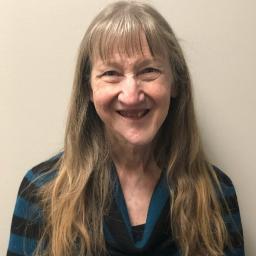
Karen Murphree
LCSW
LCSW - Family of origin and relationship concerns
- Stress, Anxiety
- Grief
- Self esteem

Timothy "Tim" Myers
LCSW
LCSW - Stress and relationship concerns
- Stress, Anxiety
- Relationship
- Trauma and abuse

Teresa Lewis
LCSW
Licensed Clinical Social Worker - Family and trauma concerns
- Stress, Anxiety
- Addictions
- Relationship

Sydney Blair
LCSW
LCSW - relationships and family of origin issues
- Stress, Anxiety
- Relationship
- Self esteem


Joel Willis
LCPC
LCPC in Montana - Stress and relationships
- Stress, Anxiety
- Relationship
- Trauma and abuse



Katie Ball
LCSW
Licensed Clinical Social Worker - Anxiety and Life Changes
- Stress, Anxiety
- Self esteem
- Depression
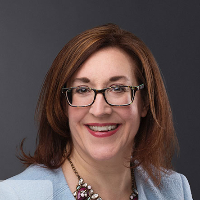
Lisa OBrien
LCSW
Licensed Clinical Social Worker - Family and relationship concerns
- Stress, Anxiety
- Addictions
- Trauma and abuse


Kasey Anderson
LPC, LCPC
LPC LCPC - Relationships and family patterns
- Stress, Anxiety
- Relationship
- Family

Ida Whitaker
LMFT
LMFT - Family of origin and addiction concerns
- Addictions
- Relationship
- Trauma and abuse
Some links on this page are partner links. We will earn a commission if you sign up through one, at no cost to you. It does not change what you pay or the order of the listings.
Overview of online therapy availability in Montana
If you are looking for therapy from within Montana, online options have become a common way to connect with licensed professionals across the state. Providers who offer remote sessions can work with people in urban centers and small towns alike, using video, phone or text-based messaging to deliver care. The regulatory environment generally requires that therapists be licensed to practice in Montana when they offer professional services to Montana residents, so many profiles in this directory will show the license type and issuing jurisdiction. You will also find a variety of credentials listed by clinicians, including counselors, social workers, marriage and family therapists and psychologists. Because each profession follows its own licensing rules, it helps to pay attention to the credential shown on a profile when you are reviewing potential matches.
Online therapy services are not all the same - some clinicians focus on short-term skill building while others emphasize in-depth work on family patterns or long-standing emotional concerns. Telehealth approaches are influenced by the therapist's style and the communication format they use. If you prefer video sessions, look for clinicians who note video as a primary mode. If you are interested in text or messaging options, check profiles for those details. Montana residents who travel or relocate within the state may find that remote therapy supports continuity of care, since geographic distance is less of a barrier than it once was.
Benefits of online therapy for Montana residents
You may find that online therapy fits your life in ways that in-person care does not. For people in rural areas or communities located far from a clinic, the ability to meet with a therapist remotely can save time and reduce travel in winter months. Online sessions can also make it more practical to keep appointments around work, school and family demands because you do not need to commute to a physical office. Many people appreciate the flexibility of choosing a communication style - video, phone or written check-ins - that feels most comfortable for them.
Another practical benefit is access to a wider range of specializations and approaches. If you are seeking someone experienced in family-of-origin issues, relationship dynamics, grief, or transitional life stages, online care broadens the pool of clinicians you can consider. You can search profiles for languages offered and particular focus areas that match your needs. When you meet with a therapist online, it is still important to arrange a setting where you feel safe to speak, whether that means a personal room at home, a quiet office at work, or another comfortable environment that supports open conversation.
What types of issues online therapists in Montana commonly help with
Online therapists in Montana work with a broad range of concerns that people bring to therapy. You will commonly find clinicians listing support for anxiety, depression, relationship strain, parenting challenges, life transitions and grief. Many also highlight work with trauma, stress management and patterns that originate in family-of-origin experiences. Couples and family therapy are offered by clinicians who note a focus on relational dynamics and communication strategies. Because clinicians present different approaches on their profiles, you may see descriptions that mention cognitive-behavioral strategies, psychodynamic work, family systems perspectives, or experiential methods.
When reading profiles, keep in mind that a therapist may list multiple approaches. For example, you might find therapists who list EMDR among their approaches, or therapists who list internal family systems among their approaches. Those listings indicate the kinds of methods a clinician uses in practice rather than formal guarantees about outcomes. If you have a specific concern such as substance use, chronic stress, or parenting a child with special needs, look for clinicians who describe experience with similar challenges and who explain how they structure therapeutic work for those situations. That background helps you decide who may be best suited to support the particular goals you bring to therapy.
How to verify a therapist's license in Montana
Where to start and what to check
Verifying a therapist's license is an important step in evaluating a provider. You can begin by noting the license type and license number, if shown on the profile, and using that information to confirm status through the state licensing board's public lookup tool. Key items to check include whether the license is active, the type of license held - for example licensed professional counselor, licensed clinical social worker, marriage and family therapist or psychologist - and the license expiration date. You can also look for notes about disciplinary history or restrictions on practice, which are typically part of the public record.
Contacting the licensing authority
If the online lookup tool does not answer your questions, you can contact the licensing authority by phone or email to request verification. When you reach out, have the clinician's full name and any license number available to make the process smoother. If a therapist lists telehealth as part of their work, you can ask the licensing board whether any special approvals are required for clinicians located outside Montana to provide services to residents of the state. Checking these details helps you make an informed choice and ensures that the professional listed on a profile is authorized to practice.
How to get started with an online therapist and tips for choosing the right one
Getting started
Begin by clarifying why you want therapy and what you hope to accomplish. That clarity will guide your search and the questions you ask when you review profiles. Read clinician biographies to learn about populations they mention and the approaches they use. Consider language preferences and whether you want someone who notes experience with family-of-origin dynamics, relationship work, trauma, or life transitions. Reach out to a few clinicians whose profiles resonate with you and ask about their general approach to remote sessions, typical session length and whether they provide a brief initial conversation to discuss fit.
Choosing and evaluating fit
When comparing clinicians, focus on several practical factors. Look at credentials and license jurisdiction, the clinical focus areas and the approaches they list on their profiles. Pay attention to logistical details such as fee structure, insurance or reimbursement policies, and what technology they use for sessions. During an initial meeting, you may want to ask how the therapist typically structures work for issues like yours, what a typical first session looks like, and how progress is tracked. After a few sessions you should have a sense of whether the therapeutic relationship feels collaborative and respectful. If it does not, it is appropriate to explore other profiles until you find a better fit.
Finally, prepare for the practical side of remote work. Choose a reliable internet connection and a place where you can speak without interruption. Discuss with your therapist how to handle emergencies and what local resources are available to you in case you need immediate in-person support. Being proactive about these details helps you make the most of online therapy and supports a productive working relationship with the therapist you choose.