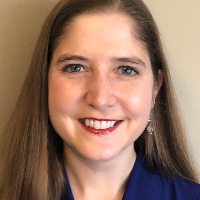
Vickie Frizzell Pratt
LIMHP
LIMHP in Nebraska - family of origin focus
- Stress, Anxiety
- Trauma and abuse
- Self esteem
Family of origin directory
32 therapists in this directory hold a license issued in Nebraska and list family of origin issues among the areas they work with. Sessions are online; a US therapist can usually only see people in a state where they hold a license, so check the license panel on each profile.
If you are looking for online therapists who serve Nebraska, welcome. All therapists listed here are licensed in Nebraska.
Explore the profiles below to review approaches, credentials, languages, and practice focus so you can choose a match that feels right for you.
LIMHP
LIMHP in Nebraska - family of origin focus
LMHP, LPC
Licensed counselor - relationships and sexuality
LMHP
LMHP in Nebraska - Family and individual concerns
LCSW, LIMHP
LCSW counselor - trauma and life transitions
LMHP, LIMHP
Licensed mental health practitioner - family of origin focus
LMHC, LIMHP
LMHC and LIMHP - Family and relationship focus
LMHP
LMHP in Nebraska - Family and relationship concerns
LPC, LIMHP
LPC and LIMHP - relationships and anxiety
LIMHP
LIMHP working with stress and relationships
LIMHP
Licensed mental health clinician - relationship issues
LCSW, LIMHP
Licensed social worker - stress and parenting
LIMHP
LIMHP in Nebraska - Family and relationship concerns
LMHP
LMHP in Nebraska - relationships and anxiety
LMHP
Licensed Mental Health Practitioner - Family of origin concerns
LIMHP
Dr. Gerald Igboanusi, LIMHP - Family pattern work and relationships
LIMHP
Licensed LIMHP - Relationships and Family Patterns
LIMHP
LIMHP focusing on anxiety and family patterns
LMHC, LIMHP
Licensed counselor - Family of origin and relational patterns
LMHC, LIMHP
LMHC and LIMHP - Family of origin and relationships
LPC, LIMHP
LPC and LIMHP - Family of origin and mood issues
LIMHP, LMHP
Licensed clinician - family of origin and mood concerns
LIMHP
Licensed LIMHP - Family of origin and anxiety
LMHC, LIMHP
LMHC and LIMHP - Family and relationship concerns
LIMHP
LIMHP - Relationships and family of origin issues
LMHP
Licensed mental health practitioner - relationships and family of origin issues
LCPC, LMHC
Licensed counselor - Family and trauma issues
LIMHP
LIMHP focusing on relationships and stress
LIMHP
LIMHP in Nebraska - family of origin and anxiety work
Some links on this page are partner links. We will earn a commission if you sign up through one, at no cost to you. It does not change what you pay or the order of the listings.
Online therapy in Nebraska includes sessions delivered by video, phone, or messaging platforms that therapists use to connect with clients. If you live in Nebraska you will most often work with a clinician who is licensed to practice in the state. Many therapists offer a range of session formats so you can pick what fits your schedule and comfort level. When you read profiles on a directory you will see therapists list their session formats, the populations they work with, and the approaches they use. That information can help you narrow down who might be a good fit for the issues you want to address.
State rules shape how therapists deliver services across county lines, and an in-state license is the most important credential to look for if you want a provider who can legally offer ongoing care to Nebraskans. While platforms and tools vary, the essential elements are the same: an agreed session format, clear expectations about fees and scheduling, and a plan for handling urgent concerns. As you browse profiles, note practice focus and the types of approaches the therapist lists so you can match treatment style to your preferences.
Online therapy can expand access to clinicians who might be located outside your immediate town, which is especially useful if you live in a rural area or a community with fewer local resources. You can eliminate travel time and reduce the friction that sometimes keeps people from starting care. Sessions delivered remotely can also feel more convenient when your work, school, or family schedule makes it hard to leave home in the middle of the day.
Beyond convenience, online therapy can offer continuity when life changes lead you to move within the state. You can keep working with a therapist who lists in-state licensure if they meet Nebraska practice requirements. Many people also find that being in a familiar environment helps them focus and feel more at ease during sessions, provided they choose a quiet space where interruptions are minimal. Finally, online formats can widen the pool of clinicians who share your language, cultural background, or clinical approach, which can improve the likelihood of a therapeutic match.
People seek online therapy for a broad range of concerns, and therapists in Nebraska describe work with anxiety, depression, relationship and family difficulties, life transitions, grief, parenting challenges, and trauma-related symptoms. You will also find clinicians who list experience with adolescence and young adult issues, perinatal mental health, substance use-related concerns, and support for identity development. If family-of-origin patterns are part of what you want to explore, many therapists explicitly note that focus on their profiles.
Approaches vary and it is common to find therapists who list cognitive behavioral therapy among their approaches, psychodynamic traditions, family systems perspectives, or narrative-oriented work. Some therapists list approaches such as EMDR among their approaches, emotion-focused work, or mindfulness-based strategies. Seeing which approaches a therapist lists can help you consider how they conceptualize change and whether their style aligns with the way you prefer to work. Language offerings are often listed too, so you can look for clinicians who communicate in your preferred language.
Verifying a therapist's licensure is an important step before beginning online care. Start by locating the license type and license number on the therapist's public profile. Profiles typically list titles such as Licensed Professional Counselor, Licensed Clinical Social Worker, Licensed Marriage and Family Therapist, or psychologist degree designations. With that information in hand you can use the state licensing board's online search tool or the Nebraska professional licensure website to confirm that the license is active and to view any public disciplinary history.
When you search, look for the license status, expiration date, and the official license title. If a profile does not include a license number you can reach out and request it; a licensed clinician can provide that information so you can verify it independently. If you have questions about what a license title means or how to interpret public disciplinary records, the state board's consumer resources can explain common terms and procedures. Keep documentation of your verification for your own records, and contact the licensing board directly if you find information that concerns you.
Getting started with an online therapist usually begins with reviewing profiles to see who lists the clinical focus and approaches that matter most to you. Pay attention to the populations a clinician lists, the languages they offer, and any notes about special interests in family-of-origin work, relationship counseling, or trauma-informed approaches. Think about what matters most for your first few sessions - symptom relief, gaining perspective on a relationship pattern, parenting support, or working through a significant life transition - and look for therapists who describe relevant experience.
When you contact a therapist to learn more, prepare a few questions that will help you understand how they work. You might ask how they typically structure sessions, what a typical course of work looks like for your concern, how they approach privacy and record-keeping, and what technology you will use for sessions. You can also inquire about payment methods, whether they provide a sliding scale, and how they handle cancellations. It can be helpful to have clear short-term goals to share so a therapist can describe how they might support those aims.
Choosing a therapist is personal and practical at the same time. Match to a clinician whose approaches feel compatible with how you prefer to engage in therapy, and consider shared identity factors or language needs if those are important to you. Also weigh practical issues such as session format, hours, and payment arrangements. Before your first session pick a quiet space where you will have minimal interruptions, test your technology in advance, and have a plan for managing urgent needs between sessions, which the therapist can help you create.
As you begin work with someone, give the process a little time while also checking in with yourself about whether the rapport and direction of work feel helpful. If you decide to shift direction, you can review other profiles and select another therapist whose profile aligns more closely with your goals. The directory is intended to help you explore licensed clinicians who list a variety of approaches and practice focuses, making it easier to find a match that supports the change you want to see in your life.