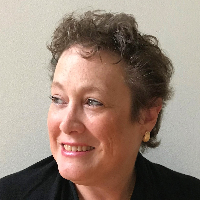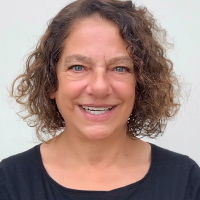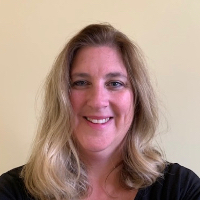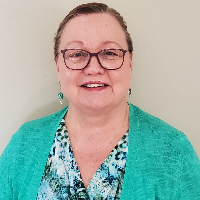
Wayne Castro
LCMHC
Licensed LCMHC - Family of origin and anxiety
- Stress, Anxiety
- Trauma and abuse
- Depression
Family of origin directory
17 therapists in this directory hold a license issued in New Hampshire and list family of origin issues among the areas they work with. Sessions are online; a US therapist can usually only see people in a state where they hold a license, so check the license panel on each profile.
Welcome to our directory of licensed online therapists serving New Hampshire. All therapists listed here are licensed to practice in New Hampshire - explore their profiles to learn about approaches, focus areas, credentials and languages.
LCMHC
Licensed LCMHC - Family of origin and anxiety
LCMHC
LCMHC in New Hampshire - Family and mood concerns
LCMHC
LCMHC in New Hampshire - Family and Relationship concerns
NH Psychologist
New Hampshire Psychologist - Relationships and Trauma
LCSW
LCSW in New Hampshire - family of origin and stress concerns
LPC, LCMHC
LPC and LCMHC - trauma and relationship concerns
LICSW
LICSW - Relationships and Family of Origin Issues
LCMHC
Licensed counselor - family and trauma concerns
LCMHC, LMHC
Licensed counselor focused on family patterns and coping
LMHC, LCPC
LMHC and LCPC - Relationships and Family Concerns
LCMHC
LCMHC in New Hampshire - Relationships and Addictions
LCMHC
New Hampshire LCMHC - Stress and relationships
LCSW, LICSW
Licensed social worker - family of origin and mood concerns
LMHC, LCMHC
LMHC LCMHC - Stress and Family concerns
LCMHC
LCMHC in New Hampshire - Family and relationship focus
LCSW
Licensed Clinical Social Worker - family and relationships
Some links on this page are partner links. We will earn a commission if you sign up through one, at no cost to you. It does not change what you pay or the order of the listings.
If you live in New Hampshire and are exploring online therapy, you will find a range of clinicians offering remote care by video, phone or messaging. Many clinicians who list online services do so to reach people across the state - including those in rural towns where in-person options can be distant. Online sessions can be offered by professionals credentialed under the state licensing system, and the format allows you to connect with therapists who describe experience or interest in family-of-origin work, grief, relationship issues and a variety of clinical approaches. While the core experience of therapy - the therapeutic relationship and the work you do together - remains central, the online format changes practical details like how you schedule, how you prepare for a session and how you share materials between meetings. Understanding the options that clinicians list in their profiles - such as preferred session formats, languages spoken and clinical focuses - will help you narrow choices before you reach out for an introductory conversation.
Online therapy can make it easier to fit care into your life when commute time, weather or childcare responsibilities would otherwise be barriers. If you live in a less densely populated part of New Hampshire, remote sessions expand the pool of clinicians you can work with so that you can find someone who lists approaches or experience that match your needs. Convenience is not the only advantage; many people report that the ability to meet from a comfortable environment helps them engage more consistently. You can also look for clinicians who list specific language abilities if you prefer to work in a language other than English. Another practical benefit is continuity of care around major life disruptions - you can maintain a working relationship when travel, seasonal weather or temporary life changes might otherwise interrupt sessions. As you consider online therapy, think about the technical setup you prefer, the communication style that helps you feel heard, and practical matters like session length and how notes or worksheets will be shared.
Online therapists in the state often describe work with a broad range of concerns. Many people seek support for anxiety and depression, coping with life transitions, relationship difficulties, parenting challenges and stress related to work or school. Clinicians in this directory also commonly list experience addressing trauma-related concerns, grief and loss, and issues connected to family of origin patterns - the ways family experiences shape current relationships and coping. If you are managing a specific condition, you can look for therapists who list approaches that align with your preferences; for example, you might find clinicians who list cognitive behavioral therapy among their approaches or therapists who list EMDR among their approaches for people interested in that method. Keep in mind that a clinician listing an approach is different from a formal certification, so use those listings as a starting point for conversations about how they work and what methods they use in practice. Many people also seek out clinicians who list couples or family work among their focuses when the concerns involve close relationships or parenting dynamics.
Before you begin working with someone, it is wise to verify that the clinician holds an active license in New Hampshire. You can start by asking the clinician for their license type and license number, then using the state licensing lookup tool to confirm its status. The licensing lookup will typically show the license category, issue and expiration dates, and whether there are any public disciplinary actions on file. If you are unsure which license type applies to a particular professional title, you can consult the state licensing pages for definitions and scope of practice information. Verifying a license is a straightforward step that helps you confirm that the clinician is authorized to practice in the state and that their credential aligns with the kind of care you are seeking. If you find any unclear information during a lookup, you can contact the licensing board directly to request clarification before beginning work.
When you are ready to reach out to a clinician, have a brief list of priorities to guide initial conversations. Think about the issues you want to address, whether you prefer a particular session format such as video or messaging, and whether language or cultural background is important to you. You may also want to know the clinician's typical session length and whether they list specific populations or age ranges they work with. Opening the conversation with these topics helps you and the clinician determine whether you are a good fit and how the work might proceed.
Choosing the right therapist is about fit as much as credentials. Pay attention to how the clinician describes their approach and whether it resonates with your preferences. Some profiles will list several methods - for example, clinicians who list mindfulness-based approaches, psychodynamic perspectives or cognitive behavioral therapy among their approaches. If a particular technique matters to you, ask the clinician to explain how they use it in sessions and what role it plays within broader treatment. Equally important is the interpersonal fit - you should feel heard and respected. It is normal to try a few sessions to assess whether the clinician's style helps you make progress toward your goals. If you do not feel a good match after a short time, it is reasonable to seek a different clinician whose approach and communication better align with your needs.
Practical matters will shape what works best for you. Consider whether your insurance covers telehealth services and whether the clinician lists insurance or out-of-pocket rates in their profile. Think about the technical environment that will allow you to participate comfortably - for example, a quiet room in your home or another location where you can speak without interruptions. If you share a living space, planning how to create a safe setting for sessions will help you engage openly. You may also want to discuss how the clinician manages notes, shared worksheets and messaging between sessions so you understand the boundaries of communication. Taking a thoughtful approach to these practical details will make it easier to focus on the therapeutic work.
Finding a clinician who matches your needs can take time, but using profile details about approaches, focus areas, credentials and languages spoken will help you narrow options. Verifying licensure, preparing questions for an initial conversation, and paying attention to interpersonal fit are all practical steps you can take to start a constructive therapeutic journey in New Hampshire. When you find a clinician who feels like a good match, you can begin working toward clear goals in a format that fits your life and your schedule.