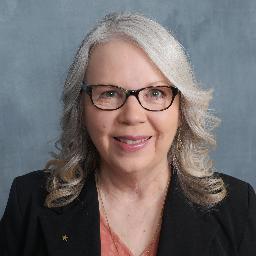
Yvonne Holguin
LPCC
LPCC counselor - Stress and addictions support
- Stress, Anxiety
- Addictions
- Parenting
Family of origin directory
38 therapists in this directory hold a license issued in New Mexico and list family of origin issues among the areas they work with. Sessions are online; a US therapist can usually only see people in a state where they hold a license, so check the license panel on each profile.
Welcome if you are looking for online therapists who serve New Mexico residents. All therapists listed here are licensed to practice in the state, and their profiles let you compare approaches, credentials, languages and focus areas. Explore the listings below to find professionals whose experience and style fit your needs.
LPCC
LPCC counselor - Stress and addictions support
LCSW
LCSW - Family patterns and mood concerns
LCSW
Licensed Clinical Social Worker - family origins and mood concerns
LCSW
LCSW working with family of origin issues and anxiety
LPC, LPCC
Licensed counselor - Family and trauma concerns
LICSW, LCSW
LCSW with family origin focus and trauma care
LPC, LPCC
Licensed counselor - Stress and trauma
LCSW, LICSW
Licensed clinical social worker - Family and loss
LPCC
Licensed counselor - family origin focus
LPCC
LPCC in New Mexico - Family and relationship concerns
LCSW
Licensed Clinical Social Worker - Family and parenting focus
LPCC, LMHP
LPCC and LMHP - Trauma and family origins
LCPC, LPCC
Licensed counselor - family and trauma focus
LCSW
Licensed Clinical Social Worker - Family of origin and trauma focus
LCSW
LCSW in New Mexico - relationships and addiction
LPCC
LPCC in New Mexico - Relationships and Life Changes
NM Psychologist
New Mexico psychologist - trauma and relationships
LCSW-C, LCSW, CSW
Licensed Clinical Social Worker - Life transitions and family patterns
LPCC
LPCC in New Mexico - Stress and trauma focus
LPCC
LPCC in New Mexico - stress and parenting support
LCSW
LCSW in New Mexico - relationships and anxiety
LPCC
LPCC counselor - Stress and relationships
TX Psychologist, NM Psychologist
Psychologist - Anxiety and Family origins
LMSW, LCSW
Licensed social worker - family of origin and coping
LPCC
LPCC in New Mexico - family of origin and anxiety focus
LPCC
LPCC in New Mexico - Family and relationship concerns
LICSW, LCSW
Licensed social worker - family patterns
LPC, LPCC
Licensed counselor - family of origin and mood concerns
LPCC
LPCC in New Mexico - Family and relationship concerns
LPCC
LPCC in New Mexico - Family of origin and relationships
Some links on this page are partner links. We will earn a commission if you sign up through one, at no cost to you. It does not change what you pay or the order of the listings.
Online therapy has become a regular option for people across New Mexico, from the Albuquerque metro area to smaller communities and rural regions. Many clinicians licensed to practice in the state offer remote sessions by video or phone, providing a way to access mental health support without traveling long distances. State licensing rules govern who may provide therapy to New Mexico residents, so therapists who offer remote care to people in the state hold licenses that permit practice within New Mexico. Because laws and guidelines evolve, it is useful to confirm licensing and practice details for any clinician you consider, and to understand the types of remote services they provide.
When you search for an online therapist in New Mexico you will encounter a range of professional credentials and approaches. Some therapists describe work with individuals and families, while others focus on career transitions, grief, parenting, or family-of-origin concerns. The directory highlights profile elements such as credentials, languages offered and therapeutic approaches so you can identify clinicians whose stated interests align with your goals. Remember that a profile indicates what a clinician lists as their experience or methods; it is helpful to ask questions that clarify how they work and whether their style matches what you want.
Choosing online therapy can offer practical benefits that matter in everyday life. If you live in a location where in-person mental health resources are limited, remote sessions expand the number of clinicians you can consider. You can meet with a therapist from your home, a parked car after a shift, or another quiet place that works for you. This flexibility may make it easier to fit therapy into a busy schedule, to maintain continuity during life changes, or to access providers who share your language or cultural background even if they are not nearby.
Online therapy also makes it easier to find clinicians who specifically list experience with issues that are important to you - relationship patterns, childhood family dynamics, cultural identity, or chronic stress from caregiving, for example. If you prefer sessions in Spanish or another language, searching profiles for language options can help you locate therapists who communicate in a language you are comfortable using. As you prepare for online sessions, consider practical factors such as the quality of your internet connection, the device you will use, and choosing a personal room or quiet space where you can speak without interruption. Knowing these details in advance helps you make the most of remote care.
Therapists offering online services support a wide range of concerns that people bring to therapy. You can find clinicians who focus on anxiety, depression, relationship and marriage issues, family-of-origin patterns, life transitions and identity questions. Many people seek help for coping with grief and loss, adapting to parenting roles, or managing stress related to work and health. Therapists also work with survivors of trauma and with people who want to change longstanding patterns that originated in family relationships.
Some therapists list specific therapeutic approaches on their profiles, and you may encounter clinicians who list EMDR among their approaches, or who note family systems perspectives, acceptance-based work, or mindfulness-informed methods. These descriptions indicate the approaches a therapist uses and can guide your questions, but they do not replace a conversation about how a therapist applies an approach in practice. When you review profiles, pay attention to the topics and populations a therapist highlights - for example, adolescents and young adults, couples, or multicultural families - so you can identify professionals whose focus aligns with your needs.
Verifying that a therapist is licensed in New Mexico is an important step before beginning services. The state maintains public resources where you can check a clinician's licensing status, often through an online license lookup tool operated by the state licensing authority. You can search by the therapist's full name or by a license number if it is listed on their profile. Look for information that confirms the type of license held, the license issue date, and whether there are any disciplinary actions or restrictions on practice.
If you have questions about what a licensure record means, you can contact the state licensing board directly for clarification. When reviewing a profile, note the clinician's reported degree, the licensing credential (for example a counseling or social work license), and any additional professional titles. Those details, together with the state verification, help you understand the formal qualifications a clinician holds. Remember that a profile lists what the therapist reports about their background; the licensing lookup provides an official record of licensure status in New Mexico.
To begin online therapy, start by identifying a few profiles that match the issues you want to address and the preferences you have for language, approach and client focus. Read each profile to learn about the therapist's areas of interest and the populations they mention. You can then reach out using the contact options provided on the profile to ask practical questions before booking an initial conversation. It is helpful to ask about the structure of sessions, typical session length, fees and payment methods, whether they accept insurance or offer a sliding fee option, and how they handle emergencies or referrals if a different level of care becomes necessary.
As you evaluate fit, think about what matters most to you in the therapeutic relationship. You may be seeking a therapist who emphasizes understanding how your family of origin shapes current patterns, or someone who offers structured strategies for managing anxiety. You might prefer a clinician who communicates in Spanish, or who has experience working with cultural communities you identify with. A first phone or video conversation can give you a sense of rapport - whether the therapist listens, responds respectfully and offers a clear plan for how you might work together. If a therapist lists particular methods, such as EMDR among their approaches, you can ask how those methods are used and whether they are appropriate for your goals.
Practical considerations also matter. Choose a quiet quiet space for sessions so you can speak openly. Check the technology you will use and whether the therapist provides guidance on the video platform they use. Review their stated policies about cancellations and session notes. Keep in mind that finding the right therapist sometimes takes meeting more than one person; it is reasonable to try an initial session and then decide whether the fit feels constructive. Trust your sense of comfort and clarity about goals as you make that decision.
Searching for an online therapist in New Mexico is a personal process that benefits from clear questions and careful review of profiles. Use the directory to compare credentials, approaches, language offerings and focus areas, and follow up with state licensing resources to confirm licensure. By preparing questions about how a therapist works and what to expect from remote sessions, you increase the chance of finding a professional who aligns with your needs and helps you move forward with the concerns you bring to therapy.