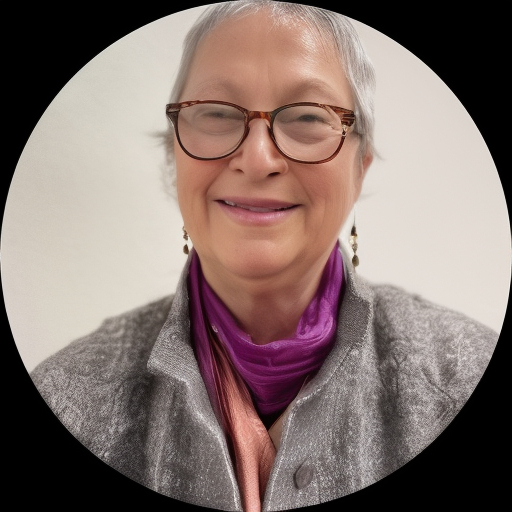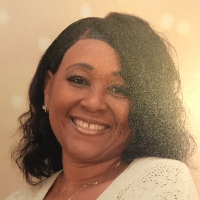
Lorena Borella-Clements
LMFT
LMFT - Stress and family pattern work
- Stress, Anxiety
- Trauma and abuse
- Grief
Family of origin directory
50 therapists in this directory hold a license issued in Oregon and list family of origin issues among the areas they work with. Sessions are online; a US therapist can usually only see people in a state where they hold a license, so check the license panel on each profile.
Welcome to our Oregon directory of licensed online therapists. All therapists listed here hold an Oregon professional license, and you can explore their approaches, languages, and areas of experience. Use the listings to identify clinicians who may fit your needs and begin your search.
LMFT
LMFT - Stress and family pattern work
LMFT
Licensed Marriage and Family Therapist - family issues and relationships
LMFT
LMFT focusing on relationships and family of origin issues
LCSW, LICSW
LCSW LICSW - relationships and life transitions
LPC
Licensed Professional Counselor - Family and Mood Concerns
LCSW
Licensed Clinical Social Worker - family and relationship concerns
LCSW
LCSW - Relationships and family patterns
LPC
Licensed Professional Counselor - Stress and Family Issues
LCSW
LCSW in Oregon - relationships and stress
LPC
Licensed Professional Counselor - Relationships and Family
LCSW
LCSW - Trauma, relationships, and family patterns
LPC
Licensed Professional Counselor - Relationships and Family of Origin
LMFT
LMFT focused on relationships and family background
LPC
Licensed Professional Counselor - Family origins focus
LCSW
Licensed Clinical Social Worker - Mood and family concerns
LCSW, LICSW
LCSW in Oregon - family of origin and trauma concerns
LPC, LMHC
Licensed counselor - family of origin and anxiety focus
LPC
LPC - Relationships and Family of Origin
LPC
Licensed Professional Counselor - Relationships and Grief
LCSW
LCSW - relationships and family concerns
LCSW, LICSW
LCSW Oregon - Addiction and Family patterns
LPC, LPCC
Dr. Tina Marie Glover - LPC LPCC specializing in family patterns
LCSW
LCSW - Family of origin and relationships
OR Psychologist
Oregon psychologist - family of origin and relationships
LPC
Licensed Professional Counselor - Family and Relationships
LPC
LPC in Oregon - family of origin and relationship work
LCSW
LCSW - Stress and family of origin issues
LCSW
Licensed Clinical Social Worker - Family of origin and relationships
LCSW
LCSW in Oregon - Family of origin and stress issues
Some links on this page are partner links. We will earn a commission if you sign up through one, at no cost to you. It does not change what you pay or the order of the listings.
If you are looking for online therapy in Oregon, you will find that remote services are widely offered across the state. Many licensed mental health professionals provide sessions by video or phone, and regulations in recent years have clarified how telehealth may be practiced with Oregon residents. An important point to remember is that a therapist who works with you online must hold a license that authorizes practice in Oregon. That state-based requirement helps ensure that the practitioner is registered with the relevant licensing authority and meets state standards for practice. You can find therapists who work with adults, children, couples, and families, and who list a variety of clinical approaches and specialties.
Because Oregon includes both urban centers and rural communities, online care has become a practical way to reach clinicians who match your preferences for language, cultural perspective, or therapeutic focus. While the tools used for remote sessions vary, the core of the work - building rapport, exploring concerns, and developing coping strategies - remains grounded in a professional relationship. If you are new to online therapy, it helps to familiarize yourself with the technical and administrative aspects before you begin so that the first sessions can focus on the therapeutic work.
Online therapy offers a range of benefits that can make accessing care easier no matter where you live in Oregon. For people in rural or remote areas, virtual sessions remove travel time and can broaden your choices so you can connect with a therapist who understands your cultural background or speaks your preferred language. You might also find it simpler to fit sessions into a busy schedule because you do not need to commute to an office. This flexibility can help you maintain consistency in care, which is often a key ingredient in progress.
Another advantage is that you can match on clinical interests more readily. If you are focused on family-of-origin issues, trauma, depression, or relationship concerns, you can search for therapists who list those specialties among their areas of practice. Some people feel more comfortable beginning therapy from their home environment because it can reduce the stress of a new setting. At the same time, you should plan for a quiet setting and good internet connection so you can make the most of each session. Thinking about logistics in advance helps you focus on the therapeutic work when sessions begin.
Online therapists in Oregon work with a wide array of concerns across the lifespan. Many people seek help for anxiety, depression, and mood regulation, while others look for support related to relationship struggles, family-of-origin patterns, parenting challenges, grief, and life transitions. You will also find clinicians who list work with trauma-related symptoms, obsessive thoughts, substance use concerns, and identity-related matters among their specialties. Because clinicians often describe their focus areas on directory profiles, you can look for wording that resonates with your situation.
Therapy can also be tailored to age and life stage. Adolescents and young adults may attend sessions that incorporate family dynamics and school-related stress, while older adults might address retirement, caregiving burdens, or health-related changes. If cultural responsiveness is important to you, search for therapists who list experience or language skills that align with your background. When you review clinician profiles, pay attention to the kinds of populations they mention, the approaches they describe, and any notes about community or cultural perspectives that matter to you.
Before you begin work with an online therapist, it makes sense to confirm that their license is valid for practice in Oregon. Start by noting the professional credential listed on the clinician profile - common credentials include LCSW, LPC, LMFT, PhD, PsyD, and MD for psychiatrists. Each credential is regulated by a state board or agency. You can search the relevant Oregon licensing board's online registry to verify a license number, current status, expiration date, and whether any disciplinary actions are recorded. If you are unsure which board to consult, the clinician's credential gives a clue: social work licenses are overseen by the social work board, counselors and marriage and family therapists by the state counseling board, and psychologists by the psychology board.
If a clinician lists a license number on their profile, you can enter that number into the board's search tool. If no number appears, you can search by the clinician's full name. The public registry is designed to give basic information that helps you confirm that the practitioner is authorized to work with Oregon residents. If you cannot find a record or you want clarification, you may ask the clinician directly for their license details and the name of the licensing board. A legitimate professional will normally provide that information and explain how you can confirm it independently.
When you are ready to begin online therapy, gather a few practical details first. Think about what you want to address and what kind of therapist might help you meet those goals. Consider whether language, cultural understanding, age group experience, or a particular clinical approach matters to you. Note your budget and whether you will seek to use insurance or prefer personal-pay options. Check that you have a device with a camera and microphone, and identify a quiet, interruption-free area where you can speak openly.
Choosing the right therapist often comes down to fit. When you review profiles, pay attention to the therapist's stated areas of focus and the approaches they list. If a therapist notes that they work with relationship issues and family-of-origin themes, that may align well with your goals. If you are interested in specific methods, look for clinicians who list those methods among their approaches rather than assuming formal certification. Consider language offerings and cultural perspectives that resonate with you. It is reasonable to expect a clinician to describe their general approach and populations they commonly work with so you can decide whether to reach out.
When you contact a potential therapist, you can ask about session length, typical frequency of meetings, payment options, and whether they accept your form of insurance. Ask about their privacy practices and how records and notes are maintained. It is also useful to learn what the first few sessions tend to focus on and how they measure progress. These practical topics will help you decide if the logistical and therapeutic aspects align with your needs. Remember that a good match is not only about credentials or methods but also about how comfortable you feel communicating with the clinician.
It is normal to try a few sessions before you fully evaluate the match. If, after a reasonable period, you do not feel heard or you are not moving toward the goals you set, it is appropriate to discuss this with the clinician and consider other options. You may decide to seek someone with a different approach, more experience with a specific concern, or closer cultural alignment. Trust your judgment about whether the working relationship supports the progress you want to make.
Finding a therapist who fits your needs in Oregon may take time, but the directory and the steps outlined here can help you approach the search with clarity. By confirming licensure, clarifying practical details, and focusing on relational fit and professional focus areas, you can make a thoughtful choice about who to work with online. Start by exploring profiles and noting a few clinicians whose descriptions feel relevant, and then reach out to learn more about how they work and whether they might be a good match for you.