Family of origin directory
Family of origin therapists in Pennsylvania
186 therapists in this directory hold a license issued in Pennsylvania and list family of origin issues among the areas they work with. Sessions are online; a US therapist can usually only see people in a state where they hold a license, so check the license panel on each profile.
Welcome to FamilyOfOriginTherapists.org for online therapy options serving Pennsylvania residents. All therapists listed are licensed in Pennsylvania - explore profiles to compare approaches, credentials, languages, and find a therapist who may fit your needs.


Jennifer Leone
LCSW
LCSW focused on stress and relationship concerns
- Stress, Anxiety
- Relationship
- Grief



Kelly Brock
LCSW, LISW
Licensed Clinical Social Worker - Family patterns and mood
- Stress, Anxiety
- Trauma and abuse
- Grief

David Ramsey
LPC
Licensed Professional Counselor - family and mood concerns
- Stress, Anxiety
- Relationship
- Parenting



Shannon Seminario
LCSW
Licensed Clinical Social Worker - Relationships and Family concerns
- Stress, Anxiety
- Relationship
- Family

Rachael Morgan
LPC
LPC in Pennsylvania - family and relationship concerns
- Stress, Anxiety
- LGBT
- Trauma and abuse

Carson Eckard
LPC
Licensed Professional Counselor - family and trauma
- Stress, Anxiety
- LGBT
- Relationship


Michelle Wygant
LPC
LPC in Pennsylvania - family of origin and mood concerns
- Stress, Anxiety
- Relationship
- Self esteem

Marci Sturgeon-Rusiewicz
LPC
Licensed Professional Counselor - Family and relationships
- Stress, Anxiety
- Relationship
- Family

Stephanie Maxwell
LPC
Licensed counselor - family patterns and anxiety
- Stress, Anxiety
- LGBT
- Relationship

Elizabeth Kostura
LPC
LPC in Pennsylvania - Anxiety and Addiction
- Stress, Anxiety
- Addictions
- Trauma and abuse

James Joseph Beaulieu
LPC
LPC in Pennsylvania - family and relationship focus
- Addictions
- Relationship
- Family

Kimberly Rehak
LPC
LPC in Pennsylvania - Family of origin and trauma
- Trauma and abuse
- Parenting
- Career

Matthew Walters
LPC
LPC in Pennsylvania - Family of origin and relationships
- Stress, Anxiety
- Addictions
- Relationship
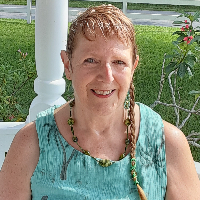
Rev. Ellen Schipul
LPC
LPC - Family of origin and relationship concerns
- Stress, Anxiety
- Trauma and abuse
- Grief

Kaitlyn Emile
LPC
Licensed Professional Counselor - Trauma and family patterns
- Stress, Anxiety
- Family
- Trauma and abuse

Patricia McCullough
LCSW
LCSW - Stress and family patterns
- Stress, Anxiety
- Addictions
- Trauma and abuse

Laura Pengelly
LMFT
Licensed Marriage and Family Therapist - Relationships and Family
- Relationship
- Family
- Trauma and abuse

Felicia Roche
LPC
Licensed Professional Counselor - Stress and Family
- Stress, Anxiety
- Family
- Trauma and abuse

Katherine Bennett
LPC
Licensed Professional Counselor - family patterns and coping
- Stress, Anxiety
- Addictions
- Grief


Lisa Mbriwa
LPC
Licensed Professional Counselor - Relationships and Family Concerns
- Stress, Anxiety
- Relationship
- Trauma and abuse

Yen-Pei Huang
LPC
Licensed Professional Counselor - Family patterns, mood concerns
- Stress, Anxiety
- Relationship
- Trauma and abuse

Emily Standridge
LCSW
Pennsylvania LCSW - family of origin and anxiety
- Stress, Anxiety
- Relationship
- Trauma and abuse

Julie Mayer Norvilas
LMFT
LMFT for relationships and family concerns
- Stress, Anxiety
- Relationship
- Family

Micah Nagel
LPC
LPC in Pennsylvania - relationships and family issues
- Stress, Anxiety
- Relationship
- Family

Erica Colbert
LPC
Licensed Professional Counselor - Family patterns and relationships
- Stress, Anxiety
- Relationship
- Family

Mindy Forman
LPC
Licensed Professional Counselor - family and attachment
- Stress, Anxiety
- Family
- Self esteem

Donna Bolinger
LCSW, LCSW-C
Licensed Clinical Social Worker - family and relationship concerns
- LGBT
- Grief
- Depression

Alysia Kirk
LCSW
LCSW working with stress and life changes
- Stress, Anxiety
- Self esteem
- Coping with life changes

Colleen Mest
LCSW
Licensed Clinical Social Worker - family patterns and relationships
- Stress, Anxiety
- Trauma and abuse
- Self esteem

KRISTINA KOTECHA
LPC
Licensed Professional Counselor - Family and Relationships
- Stress, Anxiety
- Relationship
- Family

John Goddard
LPC
LPC in Pennsylvania - Family and Addiction concerns
- Stress, Anxiety
- Addictions
- Family

Tanya (Kai) Qualls
LPC
LPC in Pennsylvania - Anxiety and Family issues
- Stress, Anxiety
- Trauma and abuse
- Self esteem
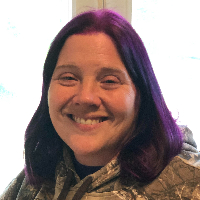
Shannon Gaiser
LPC
LPC focusing on addiction and family issues
- Stress, Anxiety
- Addictions
- Relationship


Robert Tanenbaum
PA Psychologist
Pennsylvania Psychologist - Life changes and family patterns
- Stress, Anxiety
- Relationship
- Grief

Cara Kalakewich
LMFT
LMFT focused on relationships and family patterns
- Relationship
- Family
- Trauma and abuse

Dr. Fredric Richmond
PA Psychologist
Psychologist - Family of origin and anxiety issues
- Stress, Anxiety
- Addictions
- Relationship

Jacqueline Adams
LPC
Licensed Professional Counselor - Family and relationships
- Stress, Anxiety
- Relationship
- Family

Catherine Edwards
LMFT
LMFT in Pennsylvania - Relationships and Family
- Stress, Anxiety
- Relationship
- Family


Terri Bassi-Cook
LPC
Licensed Professional Counselor - Family of origin issues
- Stress, Anxiety
- LGBT
- Relationship
Some links on this page are partner links. We will earn a commission if you sign up through one, at no cost to you. It does not change what you pay or the order of the listings.
Overview of online therapy availability in Pennsylvania
Online therapy has grown into a widely used option for people across Pennsylvania who want to work on family-of-origin concerns, relationship dynamics, personal growth, or coping skills. You will find therapists who offer virtual sessions from different locations within the state and in some cases from neighboring states when practice rules allow. The landscape includes clinicians with a variety of credentials who describe their specialties and therapeutic approaches on their profiles. Because regulations and practice patterns continue to evolve, you will see a range of service styles - some therapists emphasize talk therapy focused on relationships and family history, while others list experiential or somatic approaches among their methods. When you browse profiles on this site, you can focus on elements that matter to you - such as the clinician's stated areas of focus, the approaches they list, the populations they describe working with, and the languages they offer.
Benefits of online therapy for Pennsylvania residents
Online therapy can remove barriers that sometimes make in-person care difficult to arrange, such as travel time, scheduling constraints, and geographic distance from specialized clinicians. If you live in a rural county or you have a demanding work schedule, virtual sessions can make it easier to connect with a therapist whose focus matches your needs. You may also appreciate the ability to choose a clinician who lists experience with family-of-origin issues or specific approaches that resonate with you, even if that clinician is not located in your immediate area. Online sessions allow you to meet from the comfort of a familiar environment, and many people report that the continuity of regular appointments helps them sustain progress. Technology also makes it easier to access therapists who offer therapy in languages other than English or who emphasize cultural perspectives relevant to Pennsylvania's diverse communities. While the method of delivery differs from in-person work, the therapeutic process - building rapport, exploring patterns, and developing new ways of relating - remains central.
What types of issues online therapists in Pennsylvania commonly help with
Therapists who offer online services in Pennsylvania address a broad spectrum of concerns. You can find clinicians who focus on family-of-origin work, helping you trace how early family patterns influence your current relationships and emotional responses. Many therapists also list approaches for anxiety, depression, grief, life transitions, parenting challenges, and relationship conflict. Some profiles emphasize work with specific populations such as young adults, couples, parents, or those navigating blended-family issues. You will also see therapists who list trauma-informed approaches and those who list EMDR among their approaches; such listings indicate the methods a clinician uses rather than formal endorsements. In practical terms, therapists aim to help you identify recurring patterns, develop coping strategies, and create more intentional ways of relating to others. If you have concerns that intersect with medical questions or complex mental health conditions, an online therapist can often help you understand options, recommend appropriate next steps, and collaborate with other providers when that is relevant to your care plan.
How to verify a therapist's license in Pennsylvania and what to look for
Before you commit time to working with someone online, you may want to confirm that the clinician holds an active license to practice in Pennsylvania. The Pennsylvania licensing board maintains an online license verification tool where you can look up a practitioner's name and review basic licensure details. When you check a profile you should note the license type, the date of licensure, and whether any formal disciplinary actions are listed. Licenses have specific titles such as licensed professional counselor, licensed clinical social worker, marriage and family therapist, or psychologist, and each has distinct scope of practice. Verifying a license helps you understand the clinician's professional standing and the credentials listed on their profile. If you have questions about what a particular license allows the holder to do, a brief call to the relevant state board or a look at the board's online resources can clarify scope and oversight. Remember that the approaches a therapist lists on their profile describe the methods they use; those listings are not the same as formal accreditation in a specific modality. Confirming licensure and any board notes gives you practical information to weigh as you decide which clinicians to contact.
How to get started with an online therapist and tips for choosing the right clinician
Starting online therapy begins with identifying a few clinicians whose profiles align with what you want to work on. Read profiles carefully to learn about the issues they emphasize, the approaches they describe, and the populations they mention. Look for clinicians who express a focus that matches your priorities - for example, family-of-origin dynamics, parenting challenges, couples work, or processing life transitions. Once you have a shortlist, reach out by the contact method provided on the profile to ask practical questions. You may want to inquire about session length, typical structure of virtual appointments, fee ranges, and whether the therapist works with your insurance or offers receipts for out-of-network reimbursement. It is appropriate to ask about what you can expect in early sessions, how the clinician typically structures their work, and whether they work with anyone facing situations similar to yours. When you arrange an initial conversation or intake session, pay attention to how comfortable you feel with the clinician's communication style and whether their approach to goals and pacing seems to match your preferences.
Choosing a therapist who fits your needs
Choosing the right therapist is a personal decision that depends on rapport, approach, and practical logistics. As you compare profiles and speak with clinicians, reflect on how you want to be seen and heard in sessions. Some people prioritize a therapist who emphasizes insight into family patterns and intergenerational themes, while others prefer a therapist who focuses on skill-building or emotion-focused work. Language and cultural background can also shape the therapeutic experience, so look for clinicians who list the languages they work in or who describe experience with cultural contexts that resonate with you. It is normal to try more than one clinician before you find a good fit. What matters most is that you feel respected and that the therapist's approach supports the changes you hope to make.
Practical considerations before your first session
Before your first online session, check the technical requirements described by the therapist so you can choose a comfortable environment with few interruptions. Have a plan for how you will handle privacy in your home or workspace, and consider what you want to focus on in early sessions. Bringing a clear goal - even a small one - can help you and the therapist use the first meetings to set direction and priorities. Keep in mind that progress often comes from consistent work over time, and the first few sessions are an opportunity to establish a collaborative approach. If you ever have questions about how a therapist practices or how they handle coordination with other providers, you can ask directly; clear communication helps create a productive working relationship.
Online therapy in Pennsylvania offers many pathways to work on family-of-origin issues, relationships, and personal growth. By verifying licensure, reading profiles with attention to approach and populations served, and taking a thoughtful step toward an initial conversation, you can locate a clinician whose style and focus align with your goals. Use the listings here to explore options and to begin a process of finding a therapist who may support the changes you want to make.