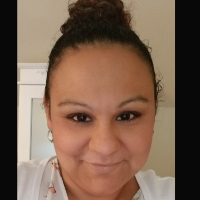
Lolitia Medley
LPC
Licensed Professional Counselor - Family of origin focus
- Stress, Anxiety
- Trauma and abuse
- Self esteem
Family of origin directory
104 therapists in this directory hold a license issued in Tennessee and list family of origin issues among the areas they work with. Sessions are online; a US therapist can usually only see people in a state where they hold a license, so check the license panel on each profile.
Welcome to our directory of licensed online therapists serving Tennessee. All therapists listed here hold a valid state license. Explore profiles to compare approaches, credentials, languages and areas of focus.
LPC
Licensed Professional Counselor - Family of origin focus
LPC-MHSP
Licensed counselor - family origins and mood concerns
LCMHC, LPC
LCMHC and LPC - family and relationship concerns
LCSW
LCSW focusing on relationships and family patterns
LMFT
Licensed Marriage and Family Therapist - relationships and family patterns
LPC, LPCC
Licensed counselor - Family and trauma concerns
LMFT
LMFT in Tennessee - family of origin and relationships
LPC
Licensed Professional Counselor - Family pattern work
LPC
LPC in Tennessee - Family of origin issues focus
LPC-MHSP
Licensed counselor - Relationships and trauma
LPC
Licensed Professional Counselor - Family of origin and mood concerns
LPC
Licensed Professional Counselor - family patterns and coping
LMFT
Tennessee LMFT - family and life transitions
LCSW
Licensed Clinical Social Worker - Family and relationship concerns
LPC-MHSP
Licensed counselor - family of origin and mood concerns
LCSW
LCSW focused on family of origin and anxiety
LPC-MHSP
Licensed counselor - anxiety and self-esteem
LCSW
Dr. Saja Mboge, LCSW - Trauma and Family Concerns
LCSW
LCSW focused on relationships and trauma
LPC
Licensed Professional Counselor - stress and relationships
LPC
Licensed Professional Counselor - Family and trauma
TN Psychologist
Tennessee psychologist - family of origin and relationships
LCSW
LCSW focusing on anxiety and family patterns
LMFT
LMFT - Relationships and Family of Origin Issues
LPC
Licensed Professional Counselor - Stress and trauma care
LMFT
LMFT - Relationships and Family concerns
LCSW
LCSW - Trauma and relationship concerns
TN Psychologist
Tennessee psychologist focusing on relationships and coping
LPC
Licensed Professional Counselor - Relationships and Trauma
LPC-MHSP
Licensed counselor - family of origin and relationships
LPC
Licensed Professional Counselor - Relationships and Family of Origin
LMFT
LMFT in Tennessee - Family of origin and trauma concerns
TN Psychologist
Tennessee psychologist - family of origin and anxiety
LCSW
LCSW - Stress and relationship concerns
LPC
Licensed Professional Counselor - Family of origin and relationships
LPC
Licensed Professional Counselor - Addictions and Family issues
LMFT
LMFT focused on family patterns and relationships
LPC, LPC-MHSP
Licensed Professional Counselor - Family and relationships
LMFT
LMFT in Tennessee - relationships and trauma
Some links on this page are partner links. We will earn a commission if you sign up through one, at no cost to you. It does not change what you pay or the order of the listings.
Online therapy has become a common way to connect with mental health professionals across Tennessee, bringing together clinicians from cities and rural communities into a virtual setting. Many licensed clinicians now include telehealth or online sessions among the ways they work, and profiles in this directory indicate whether a therapist offers sessions by video or phone. If you live in Nashville, Memphis, Chattanooga, Knoxville or smaller towns across the state, online therapy can make it possible to access clinicians whose expertise aligns with your needs without the travel time that in-person appointments often require.
When you search for a therapist in Tennessee, you will encounter a range of credentials and practice backgrounds. Profiles typically show the clinician's license type and the professional degree they hold, along with approaches they list on their profile. Because licensing and practice regulations are determined by the state, clinicians who provide care to Tennessee residents should hold the appropriate Tennessee license. Use the profile information as a starting point to identify clinicians who describe the kinds of experience and approaches that resonate with you.
Online therapy can reduce logistical barriers that make it harder to attend regular sessions. You may find it easier to fit appointments into a workday without a commute, or to connect from home after arranging childcare. For people in rural areas of Tennessee, virtual sessions can broaden the pool of clinicians you can choose from, making it more likely that you will find someone with relevant experience or a shared cultural perspective.
Beyond convenience, online therapy can help you maintain continuity of care when life circumstances change. If you move within the state, have unpredictable work hours or are balancing family responsibilities, virtual sessions may provide consistency during transitions. Many people also find that video sessions preserve an important sense of personal connection. When choosing a clinician, consider the technology they use and how comfortable you feel on video, because a practical, easy-to-use setup contributes to feeling engaged and supported during sessions.
Online therapists address a broad range of life concerns and mental health challenges. You will see clinicians who describe experience helping with anxiety, depression, relationship stress, parenting concerns and life transitions. Many profiles also indicate that clinicians work with trauma-related issues, grief and loss, substance-related concerns and the intersecting effects of stress on physical health. When a clinician lists a therapeutic approach on their profile, such as cognitive-behavioral methods or family systems approaches, that description helps you understand how they may frame treatment, but it does not represent an independent certification.
If you are seeking therapy for relationship matters, you will find clinicians who list experience with couples and family work. If your focus is work-related stress or career transitions, look for profiles that mention vocational concerns or life-stage transitions. Some clinicians note languages in which they provide services, which can be helpful if you prefer to work in a language other than English. Reading the narrative sections of profiles can give you a sense of common themes in a clinician's practice, such as supporting parents, working with younger adults, or addressing long-standing patterns that developed in childhood.
Verifying a clinician's license is an important step before beginning services. Start by locating the license information on the therapist's profile. Many profiles will display a license type and number, the state of licensure and the professional title. With that information you can use the Tennessee Department of Health website or the appropriate state licensing board for the clinician's discipline to look up the current license status. If a clinician is licensed as a counselor, social worker, psychologist or marriage and family therapist, check the corresponding board's public license lookup tool to confirm that the license is active and to see whether there are any public disciplinary actions recorded.
When you review a license record, note the license type, issue and expiration dates, and any public history listed by the board. If a profile does not include a license number, you can often contact the clinician directly to request it or search for the clinician’s name on the state board site. If the board lookup provides ambiguous results, calling the licensing board during business hours can clarify the record. Confirming a license helps ensure that a clinician is authorized to practice in Tennessee and offers an added layer of information as you evaluate whether a clinician’s background aligns with your needs.
Begin by clarifying what you hope to address in therapy and what matters most to you in a working relationship. You may prioritize a clinician's professional credentials, the therapeutic approaches they list, language abilities, or their experience with particular life stages or cultural backgrounds. Write a short note that summarizes your main concerns and any scheduling or technological needs so you can share this when you contact a clinician. Many profiles include a brief description of focus areas and approaches. When a clinician lists an approach, such as EMDR or mindfulness-based work, it should be understood as an indication that the clinician includes that approach among those they use, rather than proof of a formal certification.
When you reach out to a clinician, you can ask about how they typically structure online sessions and what a typical session might look like for someone with concerns like yours. Ask about session length, the platforms they use and whether they have any preferences about how to handle technology issues. As you speak with a clinician, pay attention to how comfortable and heard you feel. Fit is often about the interactional tone - whether you feel respected, listened to and able to be frank about difficult topics. It is normal to try more than one clinician before finding a strong connection. Comparing several profiles and initial conversations can help you find someone whose communication style and perspective align with what you need.
Consider practical questions as part of the decision process. If you need services in a language other than English, look for clinicians who list that language. If you prefer a clinician who works from a particular therapeutic perspective, review profile descriptions to find clinicians who list that approach among their methods. Think about the session format that will feel most comfortable - video, phone or a hybrid approach - and select clinicians who indicate they provide that format. Preparing these preferences in advance will help you narrow your search and make initial outreach more efficient.
Once you have chosen a clinician, you will typically be asked to complete some intake forms that cover basic contact information, emergency contacts, and billing or consent details. The clinician will explain how they handle record-keeping and their policies for cancellations and session payments. In the early sessions you can expect to work on building rapport and to discuss goals for therapy, the clinician's approach to treatment, and how progress will be reviewed. You should feel free to revisit these topics as therapy proceeds if your needs or circumstances change.
Therapy is a collaborative process. If at any point you feel that the work is not addressing what you hoped, bring this up with your clinician to explore adjustments - for example, focusing on different goals, trying an alternative approach that some clinicians list on their profiles, or changing the session rhythm. If you decide to change clinicians, you can use this directory to identify other professionals whose profiles reflect a different mix of experience, approaches and languages. Taking thoughtful steps at the start will help you get the most out of online therapy in Tennessee.
Choosing an online therapist is a personal decision that combines practical considerations with the intangible sense of being understood. By checking licensure, reading profiles carefully, preparing focused questions and paying attention to how you feel during initial conversations, you can find a clinician whose skills and approach align with your priorities. Use the directory to compare profiles and to learn more about therapists who practice online in Tennessee, and take small steps until you find a working relationship that supports your goals.