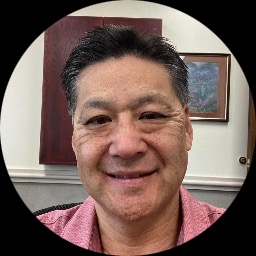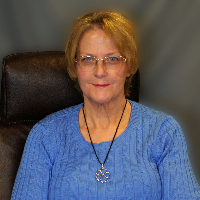
Danniel Worthen Cullumber
LCSW
Licensed clinical social worker - family of origin issues
- Stress, Anxiety
- Trauma and abuse
- Grief
Family of origin directory
57 therapists in this directory hold a license issued in Utah and list family of origin issues among the areas they work with. Sessions are online; a US therapist can usually only see people in a state where they hold a license, so check the license panel on each profile.
Welcome to the Utah online therapy directory for people seeking professional mental health care. All therapists listed on this page are licensed in Utah. Explore profiles to review specialties, approaches, credentials, and languages to find a good fit.
LCSW
Licensed clinical social worker - family of origin issues
LMFT
Licensed therapist - relationships and family patterns
LCSW
Licensed Clinical Social Worker - Family and trauma concerns
LCMHC
LCMHC counselor - family and relationship concerns
LICSW, LCSW
Licensed Clinical Social Worker - Family of origin concerns
LMHC, LCMHC
Licensed counselor - family and addiction concerns
LCSW
Licensed Clinical Social Worker - family and trauma focus
UT Psychologist
Utah psychologist focused on family patterns and mood
LCMHC, LPC
Licensed counselor - family of origin and relationships
LPC, LCPC
Licensed counselor - family patterns and mood concerns
LMFT
LMFT in Utah - Relationship and trauma work
LCMHC
Licensed Clinical Mental Health Counselor - family patterns, mood concerns
UT Psychologist
UT Psychologist - family and relationships
LPC, LCMHC
Licensed counselor - relationships and addictions
LPC, LCMHC
Dr. Timothy Tobin - LPC, LCMHC; adult mental health
LCMHC
LCMHC in Utah - relationships and mood issues
UT Psychologist
UT Psychologist focused on family patterns and coping
LCMHC
LCMHC - Relationships and family patterns
LCSW, CSW
Licensed Clinical Social Worker - Parenting and Family issues
LCSW
Licensed Clinical Social Worker - stress and addictions
LCMHC
LCMHC in Utah - Family of origin and addictions focus
LCSW
LCSW - Family patterns and life transitions
LCSW
LCSW - Stress and relationship concerns
LCMHC
Licensed Clinical Mental Health Counselor - family patterns and coping
UT Psychologist
Utah psychologist - family and mood concerns
LCSW
Licensed Clinical Social Worker - Family origins and coping
LCMHC
LCMHC in Utah - trauma and life changes
LCMHC
LCMHC in Utah - family of origin and trauma concerns
LPCC, LCMHC
Licensed counselor - family roots and coping
UT Psychologist
Utah psychologist - family of origin focus
LCSW, LICSW
Licensed Clinical Social Worker - Family and Addictions
LCMHC
LCMHC in Utah - family and relationship concerns
LCMHC
LCMHC - Stress and relationship concerns
Some links on this page are partner links. We will earn a commission if you sign up through one, at no cost to you. It does not change what you pay or the order of the listings.
Online therapy has become an integrated part of mental health services in Utah, offering an alternative way to connect with licensed clinicians across the state. Regulations allow licensed providers to deliver services via video, phone, and messaging within defined professional boundaries. That means you can access counselors, clinical social workers, marriage and family therapists, and psychologists who are authorized to practice in Utah without traveling long distances. Telehealth options can be particularly useful in rural parts of the state where in-person offices are less common, and they also make it easier to coordinate care around work, school, or family responsibilities.
State oversight focuses on ensuring that practitioners meet licensing requirements and adhere to ethical standards whether they work in person or online. You will often find therapist profiles that list approaches, specializations, languages spoken, and professional credentials. Keep in mind that an approach listed on a profile indicates the therapist uses that method in their work rather than serving as a formal certification statement. Learning how to interpret those listings helps you match a therapist’s orientation with what you hope to achieve in therapy.
Online therapy removes many logistical barriers that can make it hard to start or maintain treatment. You can connect with a clinician from your home, a parked car between errands, or another convenient location, reducing the time and travel demands associated with in-person visits. For people living in mountain communities or on the plains, that convenience can turn a service that once felt inaccessible into one that is realistically usable.
Beyond convenience, online sessions can expand the pool of therapists you can consider. If you have a particular cultural background, language preference, or therapeutic approach in mind, remote care makes it more likely you will find someone who matches those needs. Some people also find that the medium of video or messaging changes the dynamic in ways that feel more comfortable for them. It is also easier to involve family members or other support people who live in different locations, when appropriate, because travel logistics are reduced.
Online therapists in Utah work with the same broad range of concerns that bring people to in-person care. You can seek help for anxiety, depression, stress related to work or school, relationship difficulties, parenting questions, grief, and adjustment following significant life changes. Therapists also support people facing identity-related stress, including issues related to sexuality, gender, culture, and immigration. Many profiles will note therapeutic interests such as trauma, family dynamics, mood regulation, and life transitions; when a therapist lists an approach like cognitive-behavioral techniques, EMDR among their approaches, or family systems work, that indicates these methods may be part of their practice style.
When you review therapist profiles, pay attention to descriptions of focus areas alongside listed approaches and professional credentials. This helps you get a clearer sense of whether a clinician has experience working with the kinds of problems you are facing. Because therapy is a collaborative process, you can expect to discuss goals and preferences in early sessions so you both understand how treatment might proceed. Many people find that remote work is well suited to ongoing talk therapy, skills-based treatment, and shorter-term interventions as well as longer-term therapeutic relationships.
Before you commit to working with a therapist, it is wise to verify that the clinician holds an active Utah license appropriate to their title. Utah maintains an online license lookup service through its Division of Occupational and Professional Licensing. That public database allows you to search by name or license number to confirm licensure status, the type of credential held, and whether any disciplinary actions are on record. Using that resource helps you make an informed decision based on official information rather than relying solely on profile summaries.
Licenses you may encounter include licensed professional counselors, licensed clinical social workers, marriage and family therapists, and psychologists. Each license type has its own scope of practice and educational pathway. When you check the state record, note the license title and issue date, and look for the words that indicate the license is active. If you have questions about what a particular license allows the practitioner to do, the licensing division can provide additional guidance and public resources that explain scope and limitations.
Begin by clarifying what you hope to get from therapy. Are you seeking short-term strategies for symptom relief, support navigating a specific life event, or a longer-term relationship for personal growth? Identifying broad goals can make it easier to spot therapists whose profiles mention relevant focuses and approaches. Look at credentials, languages spoken, and any descriptions of populations the therapist works with, such as adolescents, couples, or multicultural clients. Remember that when a therapist lists a specific modality, it means they use that approach in their work rather than indicating an external credential.
When you contact a therapist, you can ask about their typical approach to the issues you described, how they structure sessions, and how they measure progress. It is reasonable to inquire about practical matters such as session length, communication methods before and after sessions, and how they handle emergencies. Some people also find it helpful to ask about experience with clients who share similar backgrounds or concerns. Pay attention to how comfortable you feel during initial conversations and whether the clinician answers your practical and clinical questions in a clear and respectful way.
Trust your sense of fit. A helpful therapeutic relationship often hinges on feeling understood and respected, so take note of the tone and clarity of communication from the first contacts through early sessions. It is normal to try more than one therapist before finding a match that feels right for you. If you have cultural, religious, or language needs, prioritize clinicians who indicate relevant experience or language skills on their profiles. Finally, create a quiet, well-lit space for your sessions where you can speak freely and focus, and plan ahead so technology and scheduling work smoothly on the days you meet.
Once you have identified potential clinicians, allow yourself time to gather information and reflect on which qualities matter most in a therapist. Keep in mind that therapy is an active collaboration, and you have the right to discuss goals, methods, and progress. If the match does not feel right after a few sessions, it is acceptable to explore other profiles until you find someone whose approach and interpersonal style fit your needs.
Online therapy in Utah offers flexibility and broader choice, but the essential elements of effective care remain the same: a licensed practitioner, clear communication about goals and methods, and a relationship in which you feel heard. Use the directory listings to compare specialties, approaches, credentials, and languages, and follow the state licensing lookup for verification. Approaching the search with a clear sense of what you want to address will help you find a clinician who can support your next steps.