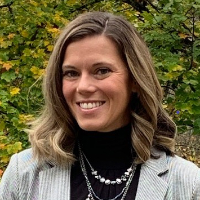
Sarah Baumgardner
LPC
Licensed Professional Counselor - Addictions and ADHD
- Addictions
- LGBT
- Trauma and abuse
Family of origin directory
19 therapists in this directory hold a license issued in West Virginia and list family of origin issues among the areas they work with. Sessions are online; a US therapist can usually only see people in a state where they hold a license, so check the license panel on each profile.
Welcome to our directory for online therapists serving West Virginia. All therapists listed here are licensed in their professional field. Explore profiles to learn about approaches, focus areas, credentials, languages, and more.
LPC
Licensed Professional Counselor - Addictions and ADHD
LCMHC, LCPC
Licensed counselor - Family of origin and stress
LICSW
LICSW in West Virginia - Family and relationship focus
LPC
Licensed Professional Counselor - Stress and Family patterns
LPC
Licensed Professional Counselor - family of origin and relationships
LCSW, LICSW
Licensed clinical social worker - family patterns, anxiety
LPC
Licensed Professional Counselor - Stress and Relationships
LPC
LPC in West Virginia - Relationships and Family Patterns
LPC
Licensed Professional Counselor - Family of origin and stress concerns
LICSW, LCSW
LICSW and LCSW - Stress and Family issues
LPC
LPC in West Virginia - Family of origin and trauma focus
LISW, LICSW
Licensed social worker - family of origin and mood concerns
WV Psychologist
Dr. Tammy McClain - Psychologist, Family of origin and mood concerns
LPCC, LPC
LPCC and LPC in West Virginia - Family concerns and anxiety
LPC
Licensed Professional Counselor - Anxiety and Addictions
LPC
Licensed Professional Counselor - Family and Trauma
Some links on this page are partner links. We will earn a commission if you sign up through one, at no cost to you. It does not change what you pay or the order of the listings.
If you live in West Virginia and are considering online therapy, you will find a growing number of clinicians offering remote care. Online therapy can be delivered through video calls, phone sessions, or text-based messaging platforms that clinicians use to communicate with clients. In West Virginia, many practitioners provide virtual services that reach urban neighborhoods as well as rural towns where in-person options may be more limited. When looking at listings, you will see therapists describe their geographic scope and the modes of telehealth they use. It is important to know that the ability to practice across state lines is governed by licensure rules, so therapists who list West Virginia as a service area indicate they hold the appropriate license or authorization to work with residents here. This makes it practical for you to search for professionals whose profiles match the approach and experience you want, while still meeting state requirements for online practice.
Online therapy offers several benefits that can be especially valuable if you live in West Virginia. One of the most practical advantages is reduced travel time - you no longer need to commute across long distances or navigate limited public transit to attend a session. That convenience can make it easier to maintain a regular schedule around work, school, and family responsibilities. Remote care also increases access to clinicians who specialize in particular areas of practice, so you can connect with someone experienced in relationship or family work even if a specialist is not available nearby. For people in farming or mining communities, new parents, or caregivers with demanding schedules, the flexibility of video or phone sessions supports continuity of care. Online therapy can also help you find a clinician who shares your language, cultural background, or therapeutic orientation, which can improve communication and rapport. Finally, remote sessions can be conducted from a comfortable environment of your choosing, allowing you to engage in therapy without the logistics of travel or time away from home.
Online therapists in West Virginia address a wide spectrum of concerns, ranging from everyday stress and life transitions to more complex relational dynamics. Many clinicians work with individuals on issues such as anxiety, depression, grief, career-related stress, and adjustment to change. Couples and families often turn to online therapy for relationship conflicts, co-parenting challenges, or family communication patterns that impact daily life. Therapists also support people navigating major life events such as relocation, job changes, or the transition to parenthood. You will find clinicians who focus on trauma, though profiles typically note that the therapist lists trauma-focused approaches among their methods rather than implying formal credentials. Some therapists emphasize work with adolescents, older adults, or specific cultural groups. When reviewing profiles, look for language about focus areas so you can identify clinicians who frequently work with the particular issue that matters to you. Therapists often mention the kinds of interventions they use, and it is helpful to remember that a description of an approach indicates what the clinician offers, not an independent verification of training or outcomes.
Before beginning work with an online therapist, it is wise to confirm that they hold a license to practice in West Virginia. You can start by noting the credential listed on a therapist's profile, such as LPC, LCSW, LMFT, or a doctoral degree in psychology, and then use the state licensing board's online license lookup tool. The board's database typically lets you search by name or license number to view the status of the license, expiration date, and any official disciplinary actions. If you prefer, you can call the licensing office and ask how to verify a practitioner's standing. When searching, check that the license type aligns with the services you need - for example, some licenses cover clinical therapy while others are for related behavioral health roles. It is also reasonable to ask a therapist directly for their license number and the name of the licensing board so you can verify details yourself. If you have questions about what an entry in a licensing record means, the licensing board can explain terms or direct you to further resources. Verifying licensure is a practical step that helps you confirm that the clinician is authorized to provide care to people located in West Virginia.
Getting started usually begins with browsing profiles to identify clinicians whose focus areas, approaches, and languages align with your needs. Many profiles include information about the therapist's educational background, common areas of work, and the therapeutic approaches they list. After you narrow your search, reach out to a few professionals to ask preliminary questions about the format of sessions, typical session length, payment methods, and whether they work with your insurer. You can also ask how they structure work on the problem you are bringing and what a few initial sessions might focus on. When you speak with a prospective therapist, pay attention to how they describe their approach and whether you feel heard during that first contact. A comfortable rapport in early conversations often predicts a stronger working relationship.
Choosing the right therapist involves more than selecting a credential or approach. Consider whether the therapist's communication style feels like a fit for you, whether they have experience addressing the issues you want to work on, and whether they offer services in the language you prefer. Think about practical matters too - how sessions are scheduled, how cancellations and fees are handled, and what technology platform is used for sessions. It is also important to discuss how the therapist handles urgent concerns or crises that may arise between sessions, including any emergency planning or referrals. Cultural competence and personal rapport matter, so note when a therapist mentions experience with particular communities or family systems. If you are seeking therapies that are often listed by clinicians - for example, cognitive-behavioral techniques, narrative approaches, or therapists who list EMDR among their approaches - read profile descriptions carefully and ask how those methods are applied in practice. You can gauge fit over several sessions and decide whether to continue, seek a different match, or add another perspective such as family involvement when appropriate.
Starting online therapy can feel like an important step toward making meaningful changes in your life. By verifying licensure, comparing focus areas and approaches, and considering logistical fit, you can choose a clinician who aligns with your needs. Remember that the therapist-client fit is personal - it is acceptable to explore a few options until you find the professional relationship that supports the work you want to do. Use the directory listings to learn about what therapists in West Virginia highlight about their practice, and take time to prepare questions that matter to you before an initial conversation. With thoughtful selection and clear communication about goals and preferences, online therapy can become a practical and accessible part of your care plan.