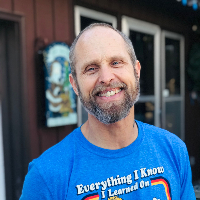
David Krych, LCSW
Licensed in Wisconsin 19 years in practice Sessions online
LCSW - Addictions and Relationships
License and identifiers
- LCSW, Wisconsin
- 3003-123 · expires February 2027
- NPI
- 1528483088 · national provider identifier
- Years in practice
- 19
- Languages
- English
Shown as David lists it on their public professional profile. You can check a license with the state board that issued it and an NPI with the national registry.
About David
David Krych is a Licensed Clinical Social Worker (LCSW) based in Wisconsin with 19 years of clinical experience. He works with adults on stress, anxiety, addictions, relationship concerns, parenting, grief, depression, and family of origin issues. David draws on his own long recovery and many years in counseling to understand how habits and patterns develop and persist over time.
He spent the early part of his career working with adolescents involved with the juvenile justice system, then took time away to work outside and attend to his own recovery from addiction.
Background and approach
That experience shifted his focus toward adults struggling with substance use and the life issues tied to it. He now works in programs that support people who seek help and want to make changes. In sessions he gets to know each person’s goals and life history.
He uses practical conversation to uncover repeated family patterns and current obstacles. He helps people identify everyday skills and perspectives they can try between sessions. David uses approaches that center the person, look at thoughts and behaviors, and address emotions in relationships.
He aims to work collaboratively to find what helps someone feel less stuck. Topics he often addresses include boundaries, codependency, fatherhood issues, abandonment, and communication problems. People who meet with him can expect straightforward discussion about choices, coping, and building skills.
He emphasizes self-acceptance as a starting point for change and acknowledges that it can be hard to reach. That acceptance is, he believes, a practical step toward more manageable and meaningful life changes.
Focus areas and approaches
Everything David lists on their public professional profile, including family of origin issues.
- Stress, Anxiety
- Addictions
- Intimacy-related issues
- Parenting issues
- Compassion fatigue
- Relationship issues
- Family conflicts
- Trauma and abuse
- Grief
- Eating disorders
- Anger management
- Bipolar disorder
- Depression
- Coping with life changes
- Coaching
- Abandonment
- Body image
- Caregiver issues and stress
- Co-morbidity
- Codependency
- Communication problems
- Drug and alcohol addiction
- Emptiness
- Family of origin issues
- Family problems
- Fatherhood issues
- Forgiveness
- Guilt and shame
- Isolation / loneliness
- Life purpose
- Men's issues
- Midlife crisis
- Seasonal Affective Disorder (SAD)
- Self-love
- Social anxiety and phobia
- Workplace issues
Approaches David names
- Client-Centered Therapy
- Cognitive Behavioral Therapy (CBT)
- Emotionally-Focused Therapy (EFT)
- Existential Therapy
- Motivational Interviewing
- Solution-Focused Therapy
Naming an approach is not evidence of training in it. This directory copies what each therapist lists and does not check training records.
How sessions work online
How therapeutic approaches shape online sessions
Client-Centered Therapy focuses on listening and understanding a person’s perspective. In practice this means the therapist reflects concerns, clarifies goals, and helps people find their own solutions. It’s useful for working through family patterns and deciding which changes matter most.Cognitive Behavioral Therapy (CBT) looks at how thoughts and behaviors influence feelings. Sessions include identifying unhelpful thinking, trying new behaviors, and practicing concrete skills between meetings. CBT can help with anxiety, depression, compulsive habits, and reactions that stem from family dynamics.
Emotionally-Focused Therapy (EFT) attends to feelings that show up in relationships. The work helps name emotions, track how they affect interactions, and try new ways of connecting. This approach is often helpful for intimacy-related worries and communication problems rooted in early family interactions.
Choosing the right approach is part of the work. The therapist will collaborate with the client to match methods to their goals, needs, and preferences. That may mean combining elements from different approaches or adjusting the plan as progress is made.
The biography does not list specific session formats, so confirm current options before booking. Online sessions can make it easier to fit work or caregiving into the week, allow shorter check-ins when needed, and remove travel time. Licensed professionals often adapt tools and homework for virtual meetings so that care fits into everyday life without requiring extra hours.
We will earn a commission if you sign up through our link, at no cost to you. It does not change what you pay or the order of the listings.
Questions about David
What concerns does he address related to family of origin?
He works with patterns that start in the family of origin such as codependency, communication problems, abandonment, and fatherhood issues.
What is his general approach to therapy?
He uses person-centered conversation alongside practical techniques from CBT and emotionally-focused methods to address thoughts, behaviors, and relationship emotions.
How much clinical experience does he have?
He has 19 years of professional experience and additional earlier work with adolescents and later practice focused on addiction recovery.
What are his credentials and where is he based?
He is a Licensed Clinical Social Worker (LCSW) licensed in Wisconsin and practices from that state.
Can sessions be held in languages other than English?
Sessions are offered in English.
Which session formats are available?
The original biography does not specify session formats; please confirm current session options before booking.
How does billing and cost work?
Cost varies with location and sessions use a subscription model that can be canceled at any time.
What are the steps to begin working with him?
Select the See online therapy options button, complete a short matching questionnaire, and schedule your first session.
More therapists in Wisconsin
See all
Samella Jolly
LCSW
Licensed Clinical Social Worker - Stress and Relationships
- Stress, Anxiety
- Relationship
- Career
Ezra Williamson
LPC
Licensed Professional Counselor - Family patterns and stress
- Stress, Anxiety
- Relationship
- Family
Holly Gardenier
LPC
Licensed Professional Counselor - Addictions and Mood Concerns
- Addictions
- LGBT
- Trauma and abuse

Alissa Bohmann
LPC
LPC counselor - family of origin and relationships
- Stress, Anxiety
- Family
- Trauma and abuse
Surnames under K · everyone in the directory whose surname starts with K
Is this your profile?
Ask us to correct a detail or take the page down.
Contact us