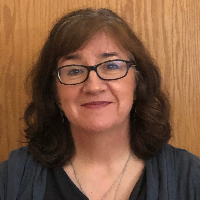
Samella Jolly
LCSW
Licensed Clinical Social Worker - Stress and Relationships
- Stress, Anxiety
- Relationship
- Career
Family of origin directory
101 therapists in this directory hold a license issued in Wisconsin and list family of origin issues among the areas they work with. Sessions are online; a US therapist can usually only see people in a state where they hold a license, so check the license panel on each profile.
Welcome to our Wisconsin directory for online therapists. All professionals listed here are licensed in Wisconsin to practice in their respective roles.
Explore profiles to compare approaches, languages, and areas of experience so you can find a clinician who fits your needs.
LCSW
Licensed Clinical Social Worker - Stress and Relationships
LPC
Licensed Professional Counselor - Family patterns and stress
LPC
Licensed Professional Counselor - Addictions and Mood Concerns
LPC
LPC counselor - family of origin and relationships
LPC
LPC in Wisconsin - Stress and trauma focus
LCSW
LCSW - relationships and trauma focused
LPC
Licensed Professional Counselor - family of origin and anxiety
LPC
LPC in Wisconsin - family of origin and mood issues
LPC
Licensed Professional Counselor - Family patterns and relationships
LCSW
Licensed Clinical Social Worker - relationships and family patterns
LCSW
LCSW - Relationships and Family of origin issues
LPC
Licensed counselor - Relationships and family issues
LCSW
LCSW focusing on family patterns and parenting
LCSW
LCSW - Addictions and Relationships
LPC
LPC in Wisconsin - relationships and family patterns
LCSW
Licensed Clinical Social Worker - Family and relationship matters
LPC
Licensed Professional Counselor - family of origin and anxiety support
LPC
LPC in Wisconsin - Family of origin and relationships
LPC
LPC in Wisconsin - family of origin and relationships
LCSW
LCSW - Adult issues and family patterns
LCSW
Licensed Clinical Social Worker - LGBTQIA+ and anxiety focus
LPC
Licensed Professional Counselor - Family and trauma concerns
LCSW
Licensed Clinical Social Worker - Family and mood concerns
LMHC, LPC
LMHC and LPC - Anxiety and family issues
WI Psychologist
WI Psychologist - Family of Origin and Mood Concerns
LCSW
LCSW working with trauma and mood concerns
LPC
Licensed Professional Counselor - Family origins and relationships
LPC
Licensed Professional Counselor - Family and mood concerns
LCSW, LMFT
LCSW and LMFT - relationship and family issues
LPC
Licensed Professional Counselor - Stress and Anxiety
LPC
Licensed Professional Counselor - family and relational concerns
LPC
Licensed Professional Counselor - family origins and life change
LMFT
LMFT in Wisconsin - relationships and life changes
LPC
Licensed Professional Counselor - Trauma and relationships
LMFT
LMFT focused on relationships and family of origin issues
LPC
LPC in Wisconsin - relationships and family patterns
LPC
Licensed Professional Counselor - Family and Women's Health
LPC
LPC in Wisconsin - relationships and anxiety
LPC
LPC in Wisconsin - stress and relationships
Some links on this page are partner links. We will earn a commission if you sign up through one, at no cost to you. It does not change what you pay or the order of the listings.
If you are considering online therapy in Wisconsin, you will find that many licensed mental health professionals offer services using video, phone, or written messaging as part of their practice. These options allow you to work with someone who aligns with your goals without the need to travel, which can be especially helpful in rural areas or when weather and schedules make in-person visits difficult. Online formats vary from clinician to clinician - some deliver most of their care via live video sessions while others incorporate supplemental messaging or brief phone check-ins as part of an overall plan.
Wisconsin requires practitioners to hold a valid license to provide therapy services to residents. When you search listings you will see each clinician’s license type and professional credential. Because rules can vary by license category and by state, therapists typically provide services to clients who are located within the state where the therapist is licensed. If you live in Wisconsin and choose an online therapist listed here, you will be engaging with someone who is licensed to practice in Wisconsin.
Online therapy makes it easier to fit mental health care into an active life. You can arrange sessions around work, school, family commitments, or transportation constraints. For people who live far from a city center, the online option reduces travel time and can broaden the range of clinicians you can consider. If weather is a factor in your area, remote sessions can help you maintain continuity when travel becomes unsafe.
Because you are not limited to therapists within a short commute, you can search for someone who shares a language, cultural background, or therapeutic approach that matters to you. For example, you might look for therapists who list cognitive behavioral therapy among their approaches or therapists who list EMDR among their approaches if you are interested in those methods. That makes it easier to prioritize fit and perspective in your search.
Many people turn to online therapy for stress, anxiety, and depression that interfere with daily life. Therapists often work with clients on coping strategies, emotional regulation, relationship concerns, and transitions such as career changes, moves, or family adjustments. If your concerns intersect with how you were raised, family of origin topics and relational patterns are commonly explored in therapy to help you understand current choices and dynamics.
Online clinicians also support people navigating traumatic experiences, grief, and struggles in intimate or familial relationships. If trauma is a focus for you, you may notice therapists who list trauma-informed approaches or specific modalities among their approaches. Many clinicians help clients develop safety plans, manage symptoms, and build skills for daily functioning while addressing the emotional impact of past events.
When you want to confirm that a clinician is licensed in Wisconsin, you can use the state’s official license lookup resource to view current license status. Look for the practitioner’s full name and license type, the license number, the issue and expiration dates, and any public disciplinary history that may appear on the record. These details help you confirm that the clinician holds an active Wisconsin license in the role they list on their profile.
You will encounter a range of credentials such as licensed clinical social worker, licensed professional counselor, or marriage and family therapist. These titles reflect different educational backgrounds and scope of practice as defined by state rules. If you have questions about what a credential means for your specific needs, you can contact the licensing office for guidance or ask the clinician directly for more information about their professional background and scope of practice.
Begin by reflecting on what you want from therapy. Are you seeking help with specific symptoms, relationship patterns, parenting, or processing past experiences tied to your family of origin? Clarifying goals helps you read profiles for relevant experience and therapeutic approaches. You can use the directory to filter for language, populations served, and approaches that align with your priorities. Keep in mind that many therapists list several approaches, so you may find clinicians who blend methods to meet client needs.
When reviewing a profile, note the clinician’s stated areas of focus, the populations they mention, and any languages they speak. Pay attention to whether a therapist notes experience working with issues similar to yours or with cultural communities relevant to you. Many profiles include a short statement about approach and style, which can give you a sense of whether the clinician emphasizes skills-building, insight work, or practical problem-solving. In an initial conversation or message, you can ask about how they typically structure sessions, how they handle privacy and record-keeping, and what their policies are for emergencies and referrals to local resources.
Decide what technical setup will work best for you, such as a quiet room, reliable internet or phone connection, and a device with a camera if you plan to use video. Think about scheduling needs, whether you prefer morning, evening, or weekend times, and whether you need someone who communicates in a language other than English. Also review financial questions such as fees, sliding scale options, or whether a therapist lists familiarity with common insurance billing practices. Asking these practical questions early helps you focus on clinicians who match both your therapeutic goals and logistical needs.
Choosing a therapist is a personal decision. You should feel listened to and reasonably comfortable with the clinician’s style and approach. If, after a few sessions, the fit does not feel right for you, it is acceptable to pause and explore other profiles until you find someone with whom you connect. Your therapeutic work is collaborative, and finding a clinician who understands your goals and communicates in a way that resonates with you will help you make meaningful progress.
Online therapy in Wisconsin offers a flexible way to access mental health support that fits your life and priorities. By checking licensure, reviewing profiles thoughtfully, and considering practical preferences, you can find a clinician who aligns with your needs and begin the process of addressing the issues that matter most to you.