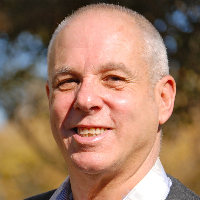
Gary Zarchy, LPC
Licensed in Arizona 25 years in practice Sessions online
LPC counselor - Family of origin and addictions
License and identifiers
- LPC, Arizona
- LPC-10642 · expires September 2026
- NPI
- 1598827214 · national provider identifier
- Years in practice
- 25
- Languages
- English
Shown as Gary lists it on their public professional profile. You can check a license with the state board that issued it and an NPI with the national registry.
About Gary
Gary Zarchy is an LPC - Licensed Professional Counselor in Arizona with 25 years of clinical experience. He works with adults on stress, anxiety, addictions, depression, relationship and family concerns, and issues related to identity and intimacy. His background also includes grief, anger, self-esteem, career questions, bipolar disorder, and coping with life changes.
He trained at the University of Phoenix, where he earned a master's degree and has taught in the counseling department for the past 18 years.
Background and approach
He brings long-term clinical work alongside teaching experience. He describes his role as guide, educator, cheerleader, and advocate in sessions. Sessions focus on practical, conversation-based work.
He uses client-centered methods that put the person's experience first and cognitive behavioral tools to identify thinking patterns that keep problems in place. He also draws on existential ideas to discuss values and meaning, mindful techniques to reduce reactivity, and EMDR for processing distress when appropriate.
People often come to him for family of origin issues and for problems that connect past and present relationships. He also has a long record of working with substance use, LGBTQIA concerns, communication problems, and first responder issues. In the room he aims to teach coping skills, help people set realistic goals, and support step-by-step change.
He describes success as clients meeting their goals and eventually ending counseling when they feel ready.
Focus areas and approaches
Everything Gary lists on their public professional profile, including family of origin issues.
- Stress, Anxiety
- Addictions
- LGBT
- Relationship issues
- Depression
- Family conflicts
- Trauma and abuse
- Grief
- Intimacy-related issues
- Anger management
- Self esteem
- Career difficulties
- Bipolar disorder
- Coping with life changes
- Coaching
- Compassion fatigue
- Aging and geriatric issues
- Antisocial personality
- Co-morbidity
- Codependency
- Communication problems
- Divorce and separation
- Drug and alcohol addiction
- Emptiness
- Family of origin issues
- First responder issues
- Forgiveness
- Gender dysphoria
- Guilt and shame
- HIV / AIDS
- Hospice and end-of-life counseling
- Infidelity
- Isolation / loneliness
- Life purpose
- Men's issues
- Midlife crisis
- Mood disorders
- Multicultural concerns
- Panic disorder and panic attacks
- Post-traumatic stress
- Prejudice and discrimination
- Process addiction (porn, exercise, gambling)
- Self-love
- Sexuality
- Social anxiety and phobia
Approaches Gary names
- Client-Centered Therapy
- Cognitive Behavioral Therapy (CBT)
- Existential Therapy
- Eye Movement Desensitization and Reprocessing (EMDR)
- Mindfulness Therapy
- Motivational Interviewing
- Solution-Focused Therapy
Naming an approach is not evidence of training in it. This directory copies what each therapist lists and does not check training records.
How sessions work online
How therapeutic approaches guide online work
Client-centered therapy focuses on listening and reflecting what matters to the person, helping them name concerns and decide on goals. Cognitive Behavioral Therapy (CBT) looks at thoughts and behaviors that maintain stress or anxiety and teaches practical skills to change them. EMDR is a structured method for processing distressing memories when those memories are part of the presenting problem and the person and therapist agree it may help.Deciding which approach to use is a collaborative process. The therapist will review your goals, preferences, and how symptoms show up, then suggest one or more methods to try. Sessions can change over time as needs shift, and the therapist works with the client to adjust focus and techniques.
Confirm the current session formats before booking. Many people find online sessions make it easier to fit counseling into a busy life, such as shorter check-ins during a work break or avoiding travel time to an office. Online work can support consistent practice of CBT skills, guided mindfulness exercises, and EMDR protocols when appropriate, depending on session options that are offered.
We will earn a commission if you sign up through our link, at no cost to you. It does not change what you pay or the order of the listings.
Questions about Gary
What concerns does he address?
He works with stress, anxiety, addictions, depression, relationship issues, grief, anger, and family of origin issues among other topics.
What is his approach in sessions?
He uses client-centered conversation, CBT techniques, existential discussion, mindfulness methods, and EMDR when appropriate to address distress.
How much clinical experience does he have?
He has 25 years of experience in counseling and has taught in a university counseling department for 18 years.
What are his credentials and where is he based?
He is an LPC - Licensed Professional Counselor practicing in Arizona with a master's degree from the University of Phoenix.
Which languages are offered?
Sessions are offered in English.
Does he work with international clients?
International clients are not currently accepted.
How are sessions arranged and what do they cost?
Cost varies with location and sessions use a subscription model that can be canceled at any time.
How do I begin working with him?
Click the See online therapy options button, complete a short matching questionnaire, and schedule a first session.
More therapists in Arizona
See all
Dr. Douglas Treese
AZ Psychologist
AZ Psychologist - relationships and coping
- Stress, Anxiety
- Relationship
- Grief

Linda Platt
LPC
LPC in Arizona - Family of origin and anxiety issues
- Stress, Anxiety
- Addictions
- Relationship

Kathleen Phalen
LCSW
LCSW in Arizona - family of origin and addictions
- Stress, Anxiety
- Addictions
- Grief

Amy Weissman-Hunt
LCSW
LCSW in Arizona - Family of origin and life changes
- Stress, Anxiety
- Relationship
- Self esteem
Surnames under Z · everyone in the directory whose surname starts with Z
Is this your profile?
Ask us to correct a detail or take the page down.
Contact us