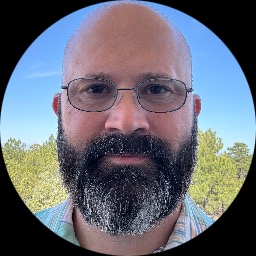
Paul Brunner, LCSW, CSW
Licensed in North Carolina 15 years in practice Sessions online
LCSW in Colorado - Trauma and family patterns
License and identifiers
- LCSW, North Carolina
- C007062 · expires November 2026
- LCSW, Colorado
- CSW.09926354 · expires August 2027
- NPI
- 1659517837 · national provider identifier
- Years in practice
- 15
- Languages
- English
Shown as Paul lists it on their public professional profile. You can check a license with the state board that issued it and an NPI with the national registry.
About Paul
Paul Brunner is an LCSW (Licensed Clinical Social Worker) and CSW with 15 years of experience in mental health, practicing in Colorado. He has worked extensively with people who struggle with stress, anxiety, depression, and trauma-related issues. He also supports concerns like sleep problems, career strain, self-esteem, and challenges tied to identity, including LGBT concerns.
He spent much of his career serving military populations and completed both an MSW and the licensing requirements for Colorado and North Carolina.
Background and approach
His background includes roles as a mental health technician and as an Army officer working as an active duty social worker. Those settings shaped his practical approach to common problems people bring into therapy. In sessions he uses concrete methods from Cognitive Behavioral Therapy, Dialectical Behavior Therapy, EMDR, mindfulness, and motivational interviewing.
He focuses on skills people can practice between meetings, clear tools for managing mood, and ways to notice and change long-standing patterns. He explains techniques plainly and works step by step. Family of origin issues and patterns from childhood that affect adult relationships are among the topics he addresses.
He also has experience with substance use concerns, domestic violence survivors, first responder issues, and coping after disasters. Paul asks people to complete a short matching questionnaire to begin and to schedule a first session once matched. Costs vary by location and sessions use a subscription that can be canceled at any time.
Focus areas and approaches
Everything Paul lists on their public professional profile, including family of origin issues.
- Stress, Anxiety
- Trauma and abuse
- Anger management
- Depression
- Compassion fatigue
- LGBT
- Family conflicts
- Sleeping disorders
- Self esteem
- Career difficulties
- Bipolar disorder
- ADHD
- Body image
- Communication problems
- Control issues
- Coping with natural or human-caused disaster
- Divorce and separation
- Domestic violence
- Drug and alcohol addiction
- Eating and food-related issues
- Family of origin issues
- First responder issues
- Guilt and shame
- Impulsivity
- Isolation / loneliness
- Men's issues
- Midlife crisis
- Veteran and Armed Forces Issues
- Mood disorders
- Obsessions, compulsions, and OCD
- Panic disorder and panic attacks
- Personality disorders
- Phobias
- Post-traumatic stress
- Self-harm
- Sexual assault and abuse
- Social anxiety and phobia
- Workplace issues
Approaches Paul names
- Cognitive Behavioral Therapy (CBT)
- Dialectical Behavior Therapy (DBT)
- Eye Movement Desensitization and Reprocessing (EMDR)
- Mindfulness Therapy
- Motivational Interviewing
- Solution-Focused Therapy
- Trauma-Focused Therapy
Naming an approach is not evidence of training in it. This directory copies what each therapist lists and does not check training records.
How sessions work online
Approaches used in remote sessions
Paul commonly draws on Cognitive Behavioral Therapy and Eye Movement Desensitization and Reprocessing in remote work. CBT focuses on identifying unhelpful thoughts and testing them against everyday evidence, with practical exercises and between-session practice to reduce anxiety and change behavior. EMDR involves guided attention and memory processing methods intended to help people who are struggling with distressing memories or trauma symptoms.He also uses elements of Dialectical Behavior Therapy and mindfulness to teach emotion regulation and present-moment skills. Deciding which approach to use is collaborative. The therapist and client review the problems, goals, and preferences together and adjust methods as progress is reviewed.
Confirm the exact session formats before booking, as session types are not specified in the profile. Online sessions can make it easier to fit meetings into a workday, reduce travel time, and allow a shorter check-in when that suits the agenda. Those practical benefits can help people practice skills more consistently and keep therapy aligned with everyday life.
We will earn a commission if you sign up through our link, at no cost to you. It does not change what you pay or the order of the listings.
Questions about Paul
What kinds of concerns does he help with?
He works with stress, anxiety, depression, trauma and abuse, anger, sleep problems, self-esteem, career strain, and related issues listed in his profile.
What is his therapeutic style?
He uses practical, skills-based approaches from Cognitive Behavioral Therapy, Dialectical Behavior Therapy, EMDR, mindfulness, and motivational interviewing to address symptoms and patterns.
How much experience does he have?
He has 15 years of experience in mental health, including work with military populations and roles as an Army mental health technician and officer.
What are his credentials and where is he based?
He holds LCSW and CSW credentials and practices in Colorado with license details noted for Colorado and North Carolina.
Which languages are supported?
Sessions are offered in English.
Does he work with international clients?
He is not accepting international clients at this time.
How much do sessions cost?
Cost varies with location; sessions use a subscription model that can be canceled at any time.
How do I begin working with him?
Select the See online therapy options button, complete a short matching questionnaire, and schedule a first session after matching.
More therapists in Colorado
See all
Heather Friend
LCSW, CSW
LCSW in Colorado - family of origin and relationships
- Stress, Anxiety
- Relationship
- Trauma and abuse
Melanie Jones
LCSW, CSW
Licensed Clinical Social Worker - Family and stress
- Stress, Anxiety
- Family
- Parenting

Maria ("Mali") Jimenez
LCSW, CSW, LICSW
LCSW focusing on family of origin and relationships
- Stress, Anxiety
- Relationship
- Trauma and abuse
Surnames under B · everyone in the directory whose surname starts with B
Is this your profile?
Ask us to correct a detail or take the page down.
Contact us