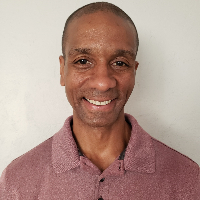
Reggie Thirus, LPC
Licensed in Wisconsin 6 years in practice Sessions online
LPC counselor - family origin and anxiety issues
License and identifiers
- LPC, Wisconsin
- 7904-125 · expires February 2027
- NPI
- 1497209225 · national provider identifier
- Years in practice
- 6
- Languages
- English
Shown as Reggie lists it on their public professional profile. You can check a license with the state board that issued it and an NPI with the national registry.
About Reggie
Reggie Thirus is an LPC - Licensed Professional Counselor practicing in Wisconsin with six years of counseling experience. He works with adults on stress, anxiety, depression, relationship concerns, addiction, LGBT issues, parenting, and family of origin issues. Reggie also addresses areas such as grief, intimacy concerns, ADHD, and coping with life changes.
Reggie uses a mix of client-centered ideas, cognitive-behavioral techniques, and psychodynamic thinking. Sessions focus on clear goals and practical steps people can try between meetings.
Background and approach
He listens for patterns that started in childhood and helps clients see how those patterns show up now. In the room he pays attention to how people describe themselves and their relationships. Conversations look at thoughts and behavior, while also considering deeper feelings and past influences.
That combination helps when someone wants to change habits, handle strong emotions, or improve connections with others. Reggie works with issues tied to identity, including gender dysphoria and LGBT-related concerns, and with complicated areas like addictions, impulsivity, and infidelity. He also supports people dealing with shame, abandonment, and blended family stress.
Outside of practice he enjoys exercise, walking, food, and music. Prospective clients who want to begin are asked to follow the site steps to complete a short matching questionnaire and schedule a first session. Background and approach notes: Reggie frames goals collaboratively and adapts techniques to the client.
He blends short-term strategies from cognitive-behavioral work with longer-term reflection from psychodynamic approaches. The client-centered element keeps conversations focused on the person's priorities and how change fits into daily life.
Focus areas and approaches
Everything Reggie lists on their public professional profile, including family of origin issues.
- Stress, Anxiety
- LGBT
- Family conflicts
- Trauma and abuse
- Depression
- Addictions
- Relationship issues
- Grief
- Intimacy-related issues
- Parenting issues
- Anger management
- Self esteem
- Career difficulties
- Bipolar disorder
- Coping with life changes
- Coaching
- ADHD
- Abandonment
- Aging and geriatric issues
- Antisocial personality
- Autism and Asperger Syndrome
- BDSM, kink, and alternative sex culture
- Blended family issues
- Co-morbidity
- Communication problems
- Drug and alcohol addiction
- Family of origin issues
- Family problems
- Gender dysphoria
- Guilt and shame
- Impulsivity
- Infidelity
- Life purpose
- Men's issues
- Multicultural concerns
- Narcissism
- Polyamory / non-monogamous relationships
- Post-traumatic stress
- Prejudice and discrimination
- Self-harm
- Sexual dysfunction
- Sexuality
- Workplace issues
- Young adult issues
Approaches Reggie names
Naming an approach is not evidence of training in it. This directory copies what each therapist lists and does not check training records.
How sessions work online
How Reggie integrates approaches for online sessions
Client-Centered Therapy focuses on listening and supporting the client's own goals. It helps people clarify what matters to them and decide practical next steps. Cognitive Behavioral Therapy, or CBT, looks at how thoughts and behaviors keep problems going and uses exercises to test new habits and reactions. Psychodynamic Therapy pays attention to patterns that came from early relationships and how they surface in current life; it helps people notice repeating themes and understand underlying feelings.Choosing the right approach is something the therapist and client do together. Reggie will discuss what feels most helpful and adjust methods over time based on needs, goals, and preferences. That collaborative planning means sessions can include short-term skill work, deeper reflection, or both.
The biography does not list specific session formats, so confirm available options before booking. Online work can make it easier to fit sessions into a busy week, allow shorter check-ins when needed, or let someone avoid travel time. It can also let conversations continue when life circumstances change, while the therapist and client decide how to pace work and which methods to try.
We will earn a commission if you sign up through our link, at no cost to you. It does not change what you pay or the order of the listings.
Questions about Reggie
What concerns does he focus on?
He works with stress, anxiety, depression, relationship and addiction issues, plus family of origin concerns and LGBT-related matters.
How would you describe his therapy style?
Reggie blends client-centered listening with cognitive-behavioral tools and psychodynamic reflection to set practical goals.
How much experience does he have?
He holds an LPC credential and has six years of counseling experience in addition to prior helping-profession work.
Where is he based and licensed?
He is licensed in Wisconsin as an LPC and practices from that state.
Which languages are supported?
Sessions are offered in English and he accepts international clients.
What session formats are available?
The original biography does not list specific session formats; please confirm current session options before booking.
How are fees handled?
Cost varies with location and sessions use a subscription that can be canceled at any time.
What are the first steps to begin?
Select the See online therapy options button, complete the short matching questionnaire, and schedule a first session.
More therapists in Wisconsin
See all
Samella Jolly
LCSW
Licensed Clinical Social Worker - Stress and Relationships
- Stress, Anxiety
- Relationship
- Career

Ezra Williamson
LPC
Licensed Professional Counselor - Family patterns and stress
- Stress, Anxiety
- Relationship
- Family

Holly Gardenier
LPC
Licensed Professional Counselor - Addictions and Mood Concerns
- Addictions
- LGBT
- Trauma and abuse

Alissa Bohmann
LPC
LPC counselor - family of origin and relationships
- Stress, Anxiety
- Family
- Trauma and abuse
Surnames under T · everyone in the directory whose surname starts with T
Is this your profile?
Ask us to correct a detail or take the page down.
Contact us