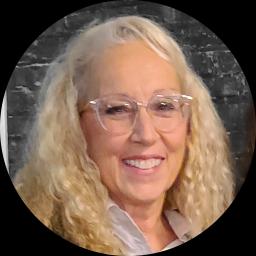
Catherine Valentine, LCPC
Licensed in Illinois 25 years in practice Sessions online
Illinois LCPC - family of origin and mood concerns
License and identifiers
- LCPC, Illinois
- 180006177 · expires March 2027
- NPI
- 1205062593 · national provider identifier
- Years in practice
- 25
- Languages
- English
Shown as Catherine lists it on their public professional profile. You can check a license with the state board that issued it and an NPI with the national registry.
About Catherine
Catherine Valentine is an Illinois Licensed Clinical Professional Counselor (LCPC) with 25 years of experience. She works with adults facing stress, anxiety, grief, low self-esteem, depression, and life changes. She also supports people dealing with relationship strain, family concerns, addictions, and sleep problems.
Catherine approaches sessions believing each person knows their own story best. She looks for strengths clients can use to manage challenges. Conversations focus on practical steps and clearer thinking rather than jargon.
Background and approach
She keeps language straightforward and goals concrete. Her work draws on cognitive behavioral ideas to spot unhelpful thoughts and test them. She also uses acceptance and commitment tools to clarify values and build small actions that match those values.
Mindfulness practices are offered for grounding and settling when emotions run high. In session she uses client-centered listening to follow what matters most to the person in front of her. Dialectical behavior skills are used when people need tools for emotion regulation and improving relationships.
Together these approaches aim to reduce distress and increase day-to-day coping skills. Catherine has spent many years helping clients sort through family patterns and the effects of upbringing. She can help people who recognize family of origin issues that still shape their behavior now.
She encourages clear steps, repeated practice, and simple strategies people can apply between sessions.
Focus areas and approaches
Everything Catherine lists on their public professional profile, including family of origin issues.
- Stress, Anxiety
- Grief
- Self esteem
- Depression
- Coping with life changes
- Addictions
- Relationship issues
- Family conflicts
- Trauma and abuse
- Intimacy-related issues
- Sleeping disorders
- Parenting issues
- Anger management
- Bipolar disorder
- ADHD
- Aging and geriatric issues
- Blended family issues
- Body image
- Cancer
- Caregiver issues and stress
- Chronic pain, illness, and disability
- Communication problems
- Coping with natural or human-caused disaster
- Divorce and separation
- Domestic violence
- Emptiness
- Family of origin issues
- Family problems
- First responder issues
- Forgiveness
- Impulsivity
- Intellectual disability
- Jealousy
- Life purpose
- Midlife crisis
- Mood disorders
- Panic disorder and panic attacks
- Post-traumatic stress
- Pregnancy and childbirth
- Prejudice and discrimination
- Seasonal Affective Disorder (SAD)
- Self-harm
- Self-love
- Sexual assault and abuse
- Social anxiety and phobia
- Traumatic brain injury
- Women's issues
- Young adult issues
Approaches Catherine names
- Acceptance and Commitment Therapy (ACT)
- Client-Centered Therapy
- Cognitive Behavioral Therapy (CBT)
- Dialectical Behavior Therapy (DBT)
- Mindfulness Therapy
Naming an approach is not evidence of training in it. This directory copies what each therapist lists and does not check training records.
How sessions work online
Therapeutic approaches used in remote sessions
Cognitive Behavioral Therapy (CBT) helps people notice thoughts that increase stress and then test and change those patterns. It is practical and works well for anxiety, depression, and sleep problems.Acceptance and Commitment Therapy (ACT) focuses on clarifying personal values and taking small, meaningful actions even when feelings are uncomfortable. This approach can help with low motivation, grief, and coping with life changes.
Finding the right approach is part of the work together. The therapist will talk with the client about goals, try methods that fit their needs, and adjust as progress and preferences become clear. Clients and therapist decide together what to practice between sessions.
Confirm the specific session formats before booking, as those details are not listed here. Online work can make it easier to fit therapy around busy schedules, reduce travel time, and allow shorter check-ins when days are tight. It can also let someone use mindfulness or behavioral homework in real time between appointments to see what works in everyday life.
We will earn a commission if you sign up through our link, at no cost to you. It does not change what you pay or the order of the listings.
Questions about Catherine
What kinds of problems does she work with?
Catherine works with stress, anxiety, grief, low self-esteem, depression, relationship and family concerns, addictions, sleep difficulties, and related issues.
How would she describe her therapeutic style?
She uses straightforward, practical conversation and listens for the client’s priorities. Sessions focus on skills, small steps, and clearer thinking.
How much clinical experience does she have?
She has 25 years of professional experience as a counselor in clinical settings.
What credential does she hold and where does she practice?
She is an Illinois LCPC and practices in Illinois.
Which languages are offered in sessions?
Sessions are offered in English.
Can international clients work with her?
International clients are not currently accepted.
How are sessions paid for and what does it cost?
Cost varies with location; sessions use a subscription model that can be canceled at any time.
How do I begin working with her?
Select the See online therapy options button, complete a short matching questionnaire, and schedule a first session.
More therapists in Illinois
See all
Rev. Sergio Ayala
LCPC, LMHC
Rev. Sergio Ayala - LCPC, LMHC; stress and family concerns
- Stress, Anxiety
- Addictions
- Trauma and abuse


Afsha Merchant
LCPC
LCPC in Illinois - relationships and anxiety
- Stress, Anxiety
- Relationship
- Trauma and abuse

Yvette Medina
LCPC
LCPC in Illinois - family and relationship concerns
- Stress, Anxiety
- Addictions
- Trauma and abuse
Surnames under V · everyone in the directory whose surname starts with V
Is this your profile?
Ask us to correct a detail or take the page down.
Contact us