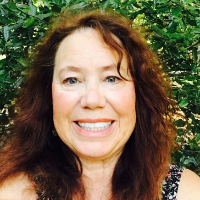
Sherry Friedman, LPC, LCMHC
Licensed in North Carolina 12 years in practice Sessions online
Licensed counselor - family and relationship patterns
License and identifiers
- LCMHC, North Carolina
- 12786 · expires June 2027
- LPC, South Carolina
- 9015 · expires August 2027
- LMHC, Rhode Island
- MHC01614 · expires July 2026
- NPI
- 1730627068 · national provider identifier
- Years in practice
- 12
- Languages
- English
Shown as Sherry lists it on their public professional profile. You can check a license with the state board that issued it and an NPI with the national registry.
About Sherry
Sherry Friedman is an LPC, LCMHC practicing in North Carolina with 12 years of clinical experience. She lists stress, anxiety, parenting concerns, relationship and family issues, mood disorders, grief, and ADHD among her areas of focus. She also names family of origin issues, attachment concerns, abandonment, and multicultural matters as additional topics she addresses.
Friedman uses a mix of Jungian-informed work and attachment-based ideas to help people notice patterns that began in childhood.
Background and approach
Sessions typically involve talking through recurring roles, expectations, and relationship dynamics. She also draws on mindfulness-based practices and elements of dialectical behavior therapy to help manage strong emotions and build coping skills. Her approach is client-centered in that she listens for what matters most to each person and adjusts the pace accordingly.
She references personality differences such as high sensitivity and neurodivergence as factors that shape how someone experiences stress and relationships. Practical tools and resources mentioned in her work are often introduced in sessions. Sherry has training across several related fields, including school psychology and clinical counseling.
She reports use of Jungian, emotionally-focused, and attachment-informed approaches alongside mindfulness strategies. Those looking to address long-standing family patterns or role expectations often find the focus is on understanding where those patterns started and how they affect current choices. Her written work explores sensitivity and neurodivergence and includes practical appendices that overlap with therapy topics.
People who want to examine family of origin patterns, attachment styles, or coping with life changes may find the sessions emphasize reflective work and concrete skill building.
Focus areas and approaches
Everything Sherry lists on their public professional profile, including family of origin issues.
- Stress, Anxiety
- Trauma and abuse
- Parenting issues
- Coping with life changes
- Compassion fatigue
- Relationship issues
- Family conflicts
- Grief
- Anger management
- Self esteem
- Career difficulties
- Bipolar disorder
- Depression
- Coaching
- ADHD
- Abandonment
- Attachment issues
- Autism and Asperger Syndrome
- Body image
- Communication problems
- Divorce and separation
- Family of origin issues
- Family problems
- Forgiveness
- Isolation / loneliness
- Life purpose
- Midlife crisis
- Mood disorders
- Multicultural concerns
- Narcissism
- Postpartum depression
- Post-traumatic stress
- Pregnancy and childbirth
- Self-love
- Women's issues
Approaches Sherry names
- Attachment-Based Therapy
- Client-Centered Therapy
- Dialectical Behavior Therapy (DBT)
- Emotionally-Focused Therapy (EFT)
- Jungian Therapy
- Mindfulness Therapy
- Motivational Interviewing
- Narrative Therapy
- Psychodynamic Therapy
- Solution-Focused Therapy
- Somatic Therapy
- Trauma-Focused Therapy
- Internal Family Systems
Naming an approach is not evidence of training in it. This directory copies what each therapist lists and does not check training records.
How sessions work online
Therapeutic approaches and online sessions
Sherry uses Attachment-Based Therapy and Client-Centered Therapy in her work. Attachment-based ideas focus on patterns of connection that begin in early relationships and show up now as expectations or responses in close ties. Client-centered work means sessions start from the person's concerns and move at their pace while the therapist listens and reflects.She also integrates Dialectical Behavior Therapy (DBT) skills when emotion regulation and distress tolerance are priorities. DBT offers concrete practices for managing intense feelings, improving communication, and reducing impulsive reactions. Together these approaches aim to make sense of family of origin patterns while also teaching tools to respond differently in daily life.
Finding the right approach is part of therapy and she treats that as a collaborative process. The therapist will work with the client to decide which ideas and skills fit their goals, needs, and preferences rather than imposing a single method.
The biography does not list specific online session formats, so confirm available options before booking. Online work can make it easier to fit sessions into busy weeks, shorten commutes, and reduce time away from other responsibilities. It can also allow for shorter check-ins or sessions that do not require being on camera when that helps someone stay engaged.
We will earn a commission if you sign up through our link, at no cost to you. It does not change what you pay or the order of the listings.
Questions about Sherry
What concerns does she commonly address?
She works with stress, anxiety, mood disorders, grief, parenting issues, relationship and family matters, and ADHD among other concerns listed in her profile.
What is her therapeutic style like?
Her style combines client-centered listening with Jungian and attachment-informed ideas, plus mindfulness and DBT elements to manage emotions and build skills.
How much experience does she have?
She has twelve years of professional experience working in mental health contexts.
Which credentials and region are listed?
She holds LPC and LCMHC credentials and practices in North Carolina.
Are sessions offered in other languages or to international clients?
Sessions are offered in English and international clients are not currently accepted.
What session formats are available?
The original biography does not specify session formats; confirm current session options before booking.
How are fees handled?
Cost varies by location and sessions use a subscription model that can be canceled at any time.
What do I do to begin working together?
Use the See online therapy options button, complete the short matching questionnaire, and schedule a first session.
More therapists in North Carolina
See all
Dr. Lakisha Ellison
LCSW
Licensed Clinical Social Worker - family and identity concerns
- LGBT
- Relationship
- Family



Janet Stone-Nielsen
LCSW
Licensed clinical social worker - family of origin and trauma
- Stress, Anxiety
- Relationship
- Family
Surnames under F · everyone in the directory whose surname starts with F
Is this your profile?
Ask us to correct a detail or take the page down.
Contact us