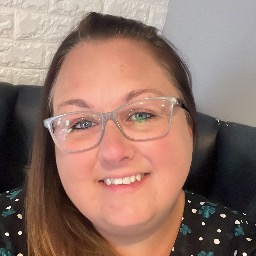
Kate Wolsey, NCPS
Registered with NCPS 5 years in practice Sessions online
Integrative counsellor - relationships and loss
Registration
- Registered with
- NCPS
- Years in practice
- 5
- Languages
- English
Shown as Kate lists it on their public professional profile. Registration can be checked on the professional body's public register.
About Kate
Kate Wolsey is an integrative counsellor and a registered member of the National Counselling Society (NCPS) with five years' experience. She works with stress, anxiety, relationship and family concerns, bereavement and loss, and other issues such as self-esteem and depression. Sessions are described as client-led and paced to the individual's needs.
She draws mainly on a person-centred approach, with psychodynamic and existential perspectives added when helpful. In practice this means conversations focus on what matters to the client now, while also looking at patterns that repeat over time.
Background and approach
That includes how family of origin issues or attachment difficulties may still shape reactions and relationships. Sessions usually involve talking through recent problems and noticing recurring feelings or patterns. The therapist may look back at earlier experiences to make sense of present behaviour.
Work often touches on worries about intimacy, coping after loss, and managing life changes. Kate aims to work at each client's pace so people can bring what feels most pressing. The NCPS credential is shown as the listed registration.
She sees people in the UK and accepts international clients, with sessions conducted in English. To begin, people complete a short matching questionnaire and schedule a first session. Costs vary with location and are organised through a subscription that can be cancelled at any time.
Confirm current session options before booking to ensure they suit practical needs.
Focus areas and approaches
Everything Kate lists on their public professional profile, including family of origin issues.
- Stress, Anxiety
- Relationship issues
- Family conflicts
- Grief
- Coping with life changes
- Trauma and abuse
- Intimacy-related issues
- Eating disorders
- Parenting issues
- Anger management
- Self esteem
- Career difficulties
- Depression
- ADHD
- Abandonment
- Attachment issues
- Avoidant personality
- Blended family issues
- Caregiver issues and stress
- Commitment issues
- Communication problems
- Control issues
- Coping with natural or human-caused disaster
- Divorce and separation
- Domestic violence
- Family of origin issues
- Family problems
- Fatherhood issues
- First responder issues
- Forgiveness
- Guilt and shame
- Hoarding
- Infidelity
- Isolation / loneliness
- Jealousy
- Life purpose
- Men's issues
- Midlife crisis
- Money and financial issues
- Narcissism
- Obsessions, compulsions, and OCD
- Panic disorder and panic attacks
- Phobias
- Polyamory / non-monogamous relationships
- Postpartum depression
- Pregnancy and childbirth
- Prejudice and discrimination
- Seasonal Affective Disorder (SAD)
- Self-harm
- Self-love
- Sexual assault and abuse
- Sexuality
- Social anxiety and phobia
- Women's issues
- Workplace issues
- Young adult issues
Approaches Kate names
Naming an approach is not evidence of training in it. This directory copies what each therapist lists and does not check training records.
How sessions work online
How therapeutic approaches guide online sessions
Client-centred or person-centred work focuses on the client's concerns and pacing. The counsellor follows what the person brings, reflecting feelings and priorities to help clarify what matters now. Psychodynamic ideas look at patterns that repeat across relationships and time, which can help when family of origin issues or attachment themes are present. Existential work addresses questions of meaning, choice and responsibility when people face loss or major life change.Finding the right mix of approaches is part of the early work. The counsellor and client will discuss goals and preferences and agree what feels most useful. That collaborative process can shift over time as priorities change or as different themes come up in sessions.
The biography does not list specific session formats, so confirm the practical options before booking. Online work can make sessions easier to fit around work, caregiving and travel. It can also suit shorter check-ins, phone conversations when bandwidth is limited, or longer video sessions when visual contact helps. Registered or accredited professionals and therapists often use these options to make counselling more convenient for day-to-day life.
We will earn a commission if you sign up through our link, at no cost to you. It does not change what you pay or the order of the listings.
Questions about Kate
What concerns does she work with?
She works with stress, anxiety, relationship and family concerns, bereavement and loss, and other areas such as self-esteem, depression and ADHD.
How would you describe her therapeutic style?
Her style is client-centred and paced to the person. She combines person-centred work with psychodynamic and existential ideas.
How much experience does she have?
She has five years' experience as an integrative counsellor and is a registered member of the National Counselling Society (NCPS).
Where is she based and what credential is shown?
She is based in the United Kingdom and lists NCPS as her professional registration.
What languages are supported?
Sessions are offered in English and she accepts international clients.
Which session formats are available?
Current session formats are not specified in the biography. Confirm the available formats before booking to match practical needs.
How are sessions charged?
Costs vary with location and are managed via a subscription that can be cancelled at any time.
What are the first steps to begin?
Use the See online therapy options button, complete a short matching questionnaire, and schedule a first session.
More therapists in the United Kingdom
See all
Maria Casson Greco
BACP
Psychodynamic psychotherapist - family and relationships
- Relationship
- Family
- Grief


Karen Crooks
BACP
BACP counsellor - family of origin and relationships
- Stress, Anxiety
- Trauma and abuse
- Grief

Rupinder Sagoo
BACP
BACP counsellor specialising in family patterns and stress
- Stress, Anxiety
- Relationship
- Grief
Surnames under W · everyone in the directory whose surname starts with W
Is this your profile?
Ask us to correct a detail or take the page down.
Contact us