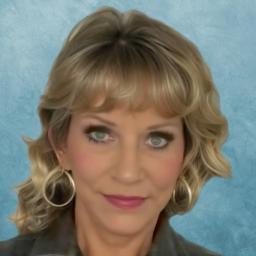
Lynne Finger, LCSW
Licensed in North Carolina 25 years in practice Sessions online
Licensed Clinical Social Worker - relationships and trauma
License and identifiers
- LCSW, North Carolina
- C002591 · expires November 2027
- NPI
- 1831126614 · national provider identifier
- Years in practice
- 25
- Languages
- English
Shown as Lynne lists it on their public professional profile. You can check a license with the state board that issued it and an NPI with the national registry.
About Lynne
Lynne Finger is a Licensed Clinical Social Worker (LCSW) in North Carolina with 25 years of experience supporting adults facing stress, anxiety, relationship difficulties, depression, trauma and abuse, and family of origin issues. She works with people who feel stuck, overwhelmed, or unsure how to begin making changes.
Lynne often helps clients dealing with loss, anger, identity and intimacy concerns, and the strain of life transitions. She trained with a Master of Social Work from the University of North Carolina at Chapel Hill and has long experience with mood and anxiety disorders.
Background and approach
Lynne describes her work as collaborative and flexible. She uses insight-oriented psychodynamic methods along with more structured techniques when clients need specific, short-term goals. Her practice includes approaches that draw on cognitive-behavioral ideas, existential questions about meaning, somatic awareness of bodily responses, and trauma-focused strategies.
In sessions she will talk through how past family roles and patterns still show up now, and help people understand how those patterns affect relationships and self-image. Lynne also works with concerns such as addiction, ADHD, compassion fatigue, body image, chronic illness, codependency, abandonment, and divorce or separation.
She aims to help people build clearer boundaries, improve communication, and strengthen self-esteem over time. People meet with her to sort through difficult feelings, set achievable steps, and figure out practical ways to manage everyday stress. Her approach tends to mix deep reflection with concrete skills so clients can notice change between sessions.
Focus areas and approaches
Everything Lynne lists on their public professional profile, including family of origin issues.
- Stress, Anxiety
- Relationship issues
- Trauma and abuse
- Depression
- Coping with life changes
- Addictions
- LGBT
- Family conflicts
- Intimacy-related issues
- Anger management
- Self esteem
- Bipolar disorder
- Compassion fatigue
- ADHD
- Abandonment
- Aging and geriatric issues
- Body image
- Chronic pain, illness, and disability
- Codependency
- Commitment issues
- Communication problems
- Control issues
- Dependent personality
- Disruptive Mood Dysregulation Disorder (DMDD)
- Divorce and separation
- Domestic violence
- Emptiness
- Family of origin issues
- Family problems
- Forgiveness
- Guilt and shame
- Impulsivity
- Infidelity
- Isolation / loneliness
- Jealousy
- Life purpose
- Midlife crisis
- Mood disorders
- Narcissism
- Panic disorder and panic attacks
- Post-traumatic stress
- Seasonal Affective Disorder (SAD)
- Self-harm
- Self-love
- Sexual assault and abuse
- Social anxiety and phobia
- Somatization
- Traumatic brain injury
- Women's issues
Approaches Lynne names
- Cognitive Behavioral Therapy (CBT)
- Existential Therapy
- Psychodynamic Therapy
- Somatic Therapy
- Trauma-Focused Therapy
Naming an approach is not evidence of training in it. This directory copies what each therapist lists and does not check training records.
How sessions work online
How therapeutic approaches translate to remote sessions
CBT, or Cognitive Behavioral Therapy, focuses on identifying unhelpful thoughts and testing them with practical experiments. It can help with anxiety, depression, and patterns that come from family roles by teaching small behavior and thinking changes.Psychodynamic therapy looks at how past relationships and early family roles shape present feelings and reactions. This approach helps people notice repeating patterns and the emotions behind them so they can make different choices in relationships and self-image.
Trauma-focused work attends to the effects of distressing events and their ongoing impact on the body and mind. It combines talking about what happened with skills to manage strong emotions and bodily responses when they arise.
Finding the right approach is part of the work. The therapist will discuss goals, preferences, and what feels useful, and together they will decide whether to emphasize insight, skills training, or trauma-focused techniques. That collaborative process helps tailor sessions to the person’s immediate needs and longer term changes.
Session formats are not specified in the biography, so confirm current options before booking. Many people appreciate remote work because it can make scheduling easier, reduce travel time, and allow shorter check-ins when days are busy. Remote sessions can also let someone focus on body-based noticing or written exercises between meetings, helping therapy fit into everyday life.
We will earn a commission if you sign up through our link, at no cost to you. It does not change what you pay or the order of the listings.
Questions about Lynne
What concerns does she focus on?
She works with stress, anxiety, depression, relationship problems, trauma and abuse, addictions, and family of origin issues among other concerns.
How would you describe her therapeutic style?
Her style is collaborative and flexible; she combines insight-oriented psychodynamic work with more structured strategies for specific goals.
How much clinical experience does she have?
She has 25 years of experience providing psychotherapy to adults with mood, anxiety, trauma, and relationship concerns.
What are her credentials and where is she located?
She is an LCSW licensed in North Carolina and works from that state.
Which languages are sessions offered in?
Sessions are offered in English.
Does she work with clients outside the United States?
She does not accept international clients at this time.
How are costs handled?
Cost varies with location; sessions use a subscription that can be canceled at any time.
What do I do to begin?
Click the See online therapy options button, complete the short matching questionnaire, and schedule your first session.
More therapists in North Carolina
See all
Dr. Lakisha Ellison
LCSW
Licensed Clinical Social Worker - family and identity concerns
- LGBT
- Relationship
- Family



Janet Stone-Nielsen
LCSW
Licensed clinical social worker - family of origin and trauma
- Stress, Anxiety
- Relationship
- Family
Surnames under F · everyone in the directory whose surname starts with F
Is this your profile?
Ask us to correct a detail or take the page down.
Contact us