
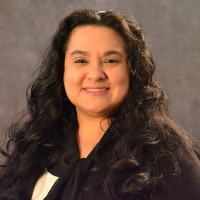
Patricia Bell, LISW, LCSW-C
Licensed in Ohio 7 years in practice Sessions online
Licensed social worker - stress and addictions
License and identifiers
- LISW, Ohio
- I.2203636-SUPV · expires May 2028
- LCSW-C, Maryland
- 32962 · expires October 2027
- NPI
- 1487149639 · national provider identifier
- Years in practice
- 7
- Languages
- English
Shown as Patricia lists it on their public professional profile. You can check a license with the state board that issued it and an NPI with the national registry.
About Patricia
Patricia Bell is a Licensed Independent Social Worker (LISW) and a Licensed Certified Social Worker-Clinical (LCSW-C) practicing in Ohio with seven years of clinical experience. She helps adults manage stress and anxiety, cope with addictions, and work through grief, depression, and trauma-related concerns. Patricia also addresses family of origin issues such as attachment and abandonment when these shape current patterns.
She takes a straightforward, person-focused approach in sessions. Conversations center on what is happening now and how past family roles affect present relationships and feelings.
Background and approach
Practical skills and clearer thinking are introduced when they fit each person’s goals. Patricia draws from client-centered methods to follow what matters most to the person in the room. Cognitive Behavioral Therapy (CBT) is used to notice and change unhelpful thinking and behavior.
Dialectical Behavior Therapy (DBT) skills are offered for emotion regulation and distress tolerance when needed. Motivational Interviewing helps people who are unsure about change, especially around substance use or other addictive patterns. Solution-Focused Therapy supports setting short-term, concrete goals and tracking small steps forward.
Sessions are conversational and practical. Patricia helps people identify patterns tied to childhood or family roles, then tests small changes to see what works in daily life. She asks about preferences and adjusts the pace to match each person’s needs.
Focus areas and approaches
Everything Patricia lists on their public professional profile, including family of origin issues.
- Stress, Anxiety
- Addictions
- Trauma and abuse
- Grief
- Depression
- Abandonment
- Adoption and foster care
- Aging and geriatric issues
- Antisocial personality
- Attachment issues
- Blended family issues
- Cancer
- Caregiver issues and stress
- Chronic pain, illness, and disability
- Communication problems
- Control issues
- Divorce and separation
- Domestic violence
- Drug and alcohol addiction
- Emptiness
- Family of origin issues
- Family problems
- Fatherhood issues
- Fertility issues
- Forgiveness
- Guilt and shame
- Hospice and end-of-life counseling
- Infidelity
- Isolation / loneliness
- Life purpose
- Men's issues
- Midlife crisis
- Veteran and Armed Forces Issues
- Money and financial issues
- Multicultural concerns
- Post-traumatic stress
- Prejudice and discrimination
- Self-love
- Sex addiction
- Sexual assault and abuse
- Sexuality
- Visually impaired
- Women's issues
- Workplace issues
- Young adult issues
Approaches Patricia names
- Client-Centered Therapy
- Cognitive Behavioral Therapy (CBT)
- Dialectical Behavior Therapy (DBT)
- Motivational Interviewing
- Solution-Focused Therapy
Naming an approach is not evidence of training in it. This directory copies what each therapist lists and does not check training records.
How sessions work online
How her approaches are used in online sessions
Patricia uses Client-Centered Therapy and Cognitive Behavioral Therapy to guide online work. Client-Centered Therapy involves listening closely and shaping sessions around what the person says matters most. It helps clarify priorities and build confidence in making choices. CBT focuses on identifying unhelpful thoughts and testing small behavior changes to reduce anxiety, depression, and stress.Finding the right approach is collaborative. She will discuss goals and preferences, try methods that fit, and adjust based on what helps. Clients and the therapist decide together which skills to practice and how to measure progress.
The practical benefit of online sessions is that they can fit into a busy week and make it easier to keep appointments. If you want to proceed, confirm the current session formats before booking, since formats are not specified here. Online work can allow shorter check-ins, fewer travel demands, and the chance to apply new skills between sessions in everyday settings.
We will earn a commission if you sign up through our link, at no cost to you. It does not change what you pay or the order of the listings.
Questions about Patricia
What concerns does she address related to family background?
She helps people notice how family of origin patterns like attachment, abandonment, or blended family roles still affect their choices and relationships today.
What is her therapeutic style like?
Her style is client-centered and practical. She listens to what matters most and offers skills and strategies that match each person's goals.
How much clinical experience does she have?
She has seven years of professional experience working in clinical therapy settings.
What credentials and region does she practice in?
She holds LISW in Ohio and LCSW-C in Maryland, and provides services based in Ohio.
Which languages are sessions offered in?
Sessions are offered in English.
Does she work with international clients?
She does not accept international clients at this time.
How are sessions priced?
Cost varies with location and sessions use a subscription that can be canceled at any time.
What are the steps to begin working together?
Choose the See online therapy options button, complete a short matching questionnaire, and schedule a first session.
More therapists in Ohio
See all
Rev. Tecky Rusk
LPCC
LPCC in Ohio - Family of origin and mood concerns
- Stress, Anxiety
- Relationship
- Trauma and abuse
Isabel Sanchez Cummings
LISW
LISW in Ohio - family pattern and coping support
- Stress, Anxiety
- Grief
- Self esteem

Stephanie Birnbaum
LPCC
Ohio LPCC - Family origin and life transitions
- Stress, Anxiety
- Self esteem
- Depression

Surnames under B · everyone in the directory whose surname starts with B
Is this your profile?
Ask us to correct a detail or take the page down.
Contact us