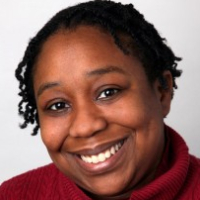
Petrovnia McIntosh, LCSW
Licensed in Wisconsin 9 years in practice Sessions online
LCSW - Attachment and family patterns
License and identifiers
- LCSW, Wisconsin
- 8137-123 · expires February 2027
- NPI
- 1366869612 · national provider identifier
- Years in practice
- 9
- Languages
- English, American Sign Language
Shown as Petrovnia lists it on their public professional profile. You can check a license with the state board that issued it and an NPI with the national registry.
About Petrovnia
Petrovnia McIntosh is a Licensed Clinical Social Worker (LCSW) in Wisconsin with nine years of experience. She works with adults on stress, anxiety, addictions, depression, relationship concerns, parenting strain, self-esteem, compassion fatigue, and issues related to gender and sexual identity. She also supports people dealing with family of origin issues and long-term childhood trauma.
McIntosh draws on psychodynamic ideas to look at patterns that started in childhood. She pays attention to how behaviors once helped someone cope.
Background and approach
In sessions she helps people name those patterns and understand the needs the behaviors were meeting. That often makes it easier to try different ways of responding in day-to-day life. She works from an attachment-informed perspective and uses practical methods such as cognitive behavioral techniques and skills from dialectical behavior therapy when helpful.
Motivational interviewing influences conversations about change and substance use. Sessions focus on exploring patterns, practicing alternatives, and tracking what works. McIntosh gives particular attention to how systemic and historical forms of oppression affect mental health.
She listens for the impact of racism, transphobia, HIV-related stigma, and other pressures that shape current relationships and self-view. This shapes the topics brought into sessions. Sessions are conducted in English and American Sign Language.
People who identify as LGBTQ and those navigating gender-affirming processes are included within her stated focus areas. The first meetings tend to clarify goals, identify patterns from childhood, and agree on practical next steps to try between sessions.
Focus areas and approaches
Everything Petrovnia lists on their public professional profile, including family of origin issues.
- Stress, Anxiety
- Addictions
- LGBT
- Trauma and abuse
- Depression
- Relationship issues
- Parenting issues
- Self esteem
- Compassion fatigue
- Abandonment
- Attachment issues
- BDSM, kink, and alternative sex culture
- Communication problems
- Dissociation
- Domestic violence
- Drug and alcohol addiction
- Family of origin issues
- Gender dysphoria
- Guilt and shame
- Hearing impaired
- HIV / AIDS
- Multicultural concerns
- Personality disorders
- Polyamory / non-monogamous relationships
- Post-traumatic stress
- Prejudice and discrimination
- Self-harm
- Sexual assault and abuse
- Sexuality
- Women's issues
Approaches Petrovnia names
- Attachment-Based Therapy
- Client-Centered Therapy
- Cognitive Behavioral Therapy (CBT)
- Dialectical Behavior Therapy (DBT)
- Motivational Interviewing
- Psychodynamic Therapy
- Trauma-Focused Therapy
Naming an approach is not evidence of training in it. This directory copies what each therapist lists and does not check training records.
How sessions work online
Approaches used online and how they help
Attachment-Based Therapy focuses on patterns in close relationships and how early bonds influence current reactions. It helps people notice repeated roles and expectations in relationships and try new ways of relating. Client-Centered Therapy emphasizes listening and supporting each person's own goals. It helps clarify what matters most and encourages the person's own decision making. Cognitive Behavioral Therapy (CBT) looks at the links between thoughts, feelings, and actions and offers practical exercises to change unhelpful thinking and behavior.Choosing an approach is part of the work. The therapist will collaborate on which methods to try based on your goals, needs, and what feels useful in early sessions. That decision can change as you learn what helps most. Sessions often combine approaches so you can practice new skills while also looking at deeper patterns.
Confirm current session options before booking so you know what formats are offered. Online work can make it easier to fit sessions into a busy week, shorten check-ins when schedules are tight, or avoid travel when attending in-person sessions would be difficult. Many people find it useful for keeping momentum between appointments and for trying new coping skills in their everyday routines.
We will earn a commission if you sign up through our link, at no cost to you. It does not change what you pay or the order of the listings.
Questions about Petrovnia
What kinds of concerns does she help with?
She works with stress, anxiety, addictions, depression, relationship and parenting concerns, self-esteem, compassion fatigue, and family of origin issues.
What is her general approach in sessions?
She uses a psychodynamic, attachment-informed approach to identify patterns from childhood and the needs those behaviors met, then practices alternative responses.
How much experience does she have?
She has nine years of clinical experience as a practicing LCSW.
What are her credentials and where is she based?
She is a Licensed Clinical Social Worker (LCSW) licensed in Wisconsin and practices within that state.
Which languages are offered in sessions?
Sessions are offered in English and American Sign Language.
Does she work with international clients?
International clients are not currently accepted.
How are sessions organized and paid for?
Cost varies with location and sessions use a subscription model that can be canceled at any time.
What should I do to begin working with her?
Select the See online therapy options button, complete the short matching questionnaire, and schedule a first session.
More therapists in Wisconsin
See all
Samella Jolly
LCSW
Licensed Clinical Social Worker - Stress and Relationships
- Stress, Anxiety
- Relationship
- Career

Ezra Williamson
LPC
Licensed Professional Counselor - Family patterns and stress
- Stress, Anxiety
- Relationship
- Family
Holly Gardenier
LPC
Licensed Professional Counselor - Addictions and Mood Concerns
- Addictions
- LGBT
- Trauma and abuse

Alissa Bohmann
LPC
LPC counselor - family of origin and relationships
- Stress, Anxiety
- Family
- Trauma and abuse
Surnames under M · everyone in the directory whose surname starts with M
Is this your profile?
Ask us to correct a detail or take the page down.
Contact us