
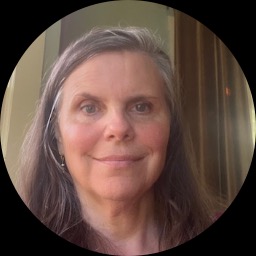
Rachel Felton, LICSW
Licensed in Washington 12 years in practice Sessions online
LICSW in Washington - Relationships and Mood
License and identifiers
- LICSW, Washington
- LW61435128 · expires January 2027
- NPI
- 1275941551 · national provider identifier
- Years in practice
- 12
- Languages
- English
Shown as Rachel lists it on their public professional profile. You can check a license with the state board that issued it and an NPI with the national registry.
About Rachel
Rachel Felton is a Washington LICSW with 12 years of clinical experience. She works with people facing depression, bipolar disorder, addictions, relationship struggles, and LGBT concerns. Rachel also helps with self-esteem, trauma and abuse, and related patterns that come from the family people grew up in.
She focuses on practical conversation and skills in sessions. Rachel uses approaches such as Acceptance and Commitment Therapy, Cognitive Behavioral Therapy, Dialectical Behavior Therapy, Attachment-Based Therapy, and client-centered work to support change.
Background and approach
Sessions involve talking through current problems, noticing patterns, and practicing small changes between meetings. Rachel pays attention to how early relationships shape current behavior and feelings. She helps people see repeating roles, expectations, and communication habits that came from their family of origin.
This can make it easier to choose different responses in relationships, work, and parenting. Her style includes straightforward goal setting and skills practice. That might mean learning concrete emotion regulation techniques, testing new ways of interacting, or clarifying personal values and next steps.
She also addresses co-occurring concerns like chronic illness, caregiving stress, body image, and codependency when they are part of the picture. Rachel works in English in Washington state and draws on a mix of brief skills work and deeper attachment-focused conversation. To begin, prospective clients complete a short intake questionnaire and schedule a first session to see if the approach fits.
Focus areas and approaches
Everything Rachel lists on their public professional profile, including family of origin issues.
- LGBT
- Trauma and abuse
- Self esteem
- Bipolar disorder
- Depression
- Addictions
- Relationship issues
- Abandonment
- Attachment issues
- Autism and Asperger Syndrome
- Avoidant personality
- BDSM, kink, and alternative sex culture
- Body image
- Caregiver issues and stress
- Chronic pain, illness, and disability
- Co-morbidity
- Codependency
- Commitment issues
- Communication problems
- Control issues
- Dependent personality
- Disruptive Mood Dysregulation Disorder (DMDD)
- Dissociation
- Divorce and separation
- Domestic violence
- Drug and alcohol addiction
- Emptiness
- Family of origin issues
- Family problems
- Fertility issues
- First responder issues
- Forgiveness
- Gender dysphoria
- Guilt and shame
- Impulsivity
- Infidelity
- Isolation / loneliness
- Life purpose
- Men's issues
- Midlife crisis
- Veteran and Armed Forces Issues
- Mood disorders
- Narcissism
- Panic disorder and panic attacks
- Personality disorders
- Polyamory / non-monogamous relationships
- Postpartum depression
- Post-traumatic stress
- Process addiction (porn, exercise, gambling)
- Self-harm
- Self-love
- Sex addiction
- Sexuality
- Social anxiety and phobia
- Women's issues
- Workplace issues
Approaches Rachel names
- Acceptance and Commitment Therapy (ACT)
- Attachment-Based Therapy
- Client-Centered Therapy
- Cognitive Behavioral Therapy (CBT)
- Dialectical Behavior Therapy (DBT)
- Emotionally-Focused Therapy (EFT)
- Existential Therapy
- Gottman Method
- Mindfulness Therapy
- Motivational Interviewing
- Narrative Therapy
- Psychodynamic Therapy
- Solution-Focused Therapy
- Somatic Therapy
- Trauma-Focused Therapy
- Internal Family Systems
Naming an approach is not evidence of training in it. This directory copies what each therapist lists and does not check training records.
How sessions work online
How Rachel’s approaches translate to online work
Acceptance and Commitment Therapy (ACT) helps people clarify what matters to them and take small consistent actions toward those values. ACT is often used for anxiety, depression, and patterns that feel stuck. Cognitive Behavioral Therapy (CBT) focuses on identifying and changing unhelpful thoughts and behaviors through practical exercises. It is commonly used for mood concerns, low self-esteem, and habits that maintain distress. Attachment-Based Therapy looks at how early relationships shape current expectations and reactions, and it can be helpful for people who notice repeating family patterns in their relationships.Deciding which approach to use is a collaborative process. Rachel will work with each person to pick methods that match their goals and preferences. Sessions often blend skills practice with reflection so someone can test changes between meetings and bring back what worked or didn’t.
The specific session formats offered should be confirmed before booking. Please check current options when you sign up. Online work can make it easier to fit therapy into a busy life - for example, it can reduce travel time, allow shorter check-ins on a lunch break, or avoid needing to be on camera when audio is sufficient. Licensed professionals adapt exercises and homework so the work continues between sessions and fits everyday demands.
We will earn a commission if you sign up through our link, at no cost to you. It does not change what you pay or the order of the listings.
Questions about Rachel
What concerns does she address?
She works with depression, bipolar disorder, addictions, relationship struggles, self-esteem, trauma and LGBT-related concerns. Family of origin issues and attachment concerns are also listed.
What is her therapeutic approach?
She combines Acceptance and Commitment Therapy, Cognitive Behavioral Therapy, Dialectical Behavior Therapy, Attachment-Based Therapy, and client-centered techniques to focus on thoughts, feelings, and behavior.
How much experience does she have?
Rachel has 12 years of professional experience in clinical work in Washington state.
What are her credentials and location?
She holds a LICSW and practices in Washington state.
Which languages are supported?
Sessions are offered in English only.
Does she accept international clients?
International clients are not currently accepted.
How are sessions paid for and what do they cost?
Cost varies with location. Sessions use a subscription model that can be canceled at any time.
How do I get started with Rachel?
Start by selecting the See online therapy options button, completing a short matching questionnaire, and scheduling a first session.
More therapists in Washington
See all
Dr. Heidi Duong
LMHC
Licensed Mental Health Counselor - family of origin and mood concerns
- Stress, Anxiety
- Trauma and abuse
- Eating


Surnames under F · everyone in the directory whose surname starts with F
Is this your profile?
Ask us to correct a detail or take the page down.
Contact us