
April Pomerlyan, LCMHC
Licensed in North Carolina 8 years in practice Sessions online
Licensed counselor - family of origin and mood concerns
License and identifiers
- LCMHC, North Carolina
- 11996 · expires June 2027
- NPI
- 1679931612 · national provider identifier
- Years in practice
- 8
- Languages
- English
Shown as April lists it on their public professional profile. You can check a license with the state board that issued it and an NPI with the national registry.
About April
April Pomerlyan is a Licensed Clinical Mental Health Counselor (LCMHC) in North Carolina with eight years of clinical experience. She works with adults facing stress, anxiety, depression, grief, relationship and intimacy concerns, ADHD, addictions, and a wide range of other life challenges. April emphasizes an early focus on getting to know each person so treatment fits their values and goals.
She sees counseling as a partnership: the client is the expert on their life and she brings clinical perspective.
Background and approach
Early sessions focus on understanding current struggles and how patterns from the family people grew up in may still influence choices and reactions today. April often helps people notice unhelpful thoughts and emotional responses that get in the way of everyday functioning. Her approach blends client-centered work with cognitive strategies.
Client-centered methods use reflective listening to clarify feelings. Cognitive behavioral techniques look at thought patterns and teach ways to test and change them when they lead to low mood or anxiety. April also integrates attachment-based and dialectical behavior ideas when helpful, keeping sessions practical and goal-focused.
She explains any methods she plans to use and invites questions so people understand what will happen in sessions. People who prefer clear steps, direct discussion of family of origin patterns, and a collaborative therapist typically find this style useful.
April asks new clients to complete a short matching questionnaire and schedule a first session so they can start by describing their immediate concerns and what they hope to change.
Focus areas and approaches
Everything April lists on their public professional profile, including family of origin issues.
- Stress, Anxiety
- Trauma and abuse
- Grief
- Depression
- ADHD
- Addictions
- Relationship issues
- Family conflicts
- Intimacy-related issues
- Parenting issues
- Anger management
- Self esteem
- Career difficulties
- Bipolar disorder
- Coping with life changes
- Compassion fatigue
- Adoption and foster care
- Attachment issues
- Autism and Asperger Syndrome
- Body image
- Caregiver issues and stress
- Chronic pain, illness, and disability
- Co-morbidity
- Disruptive Mood Dysregulation Disorder (DMDD)
- Dissociation
- Drug and alcohol addiction
- Family of origin issues
- Fertility issues
- Forgiveness
- Guilt and shame
- Hoarding
- Immigration issues
- Life purpose
- Midlife crisis
- Mood disorders
- Multicultural concerns
- Obsessions, compulsions, and OCD
- Panic disorder and panic attacks
- Phobias
- Postpartum depression
- Post-traumatic stress
- Pregnancy and childbirth
- Seasonal Affective Disorder (SAD)
- Self-harm
- Self-love
- Sexual assault and abuse
- Social anxiety and phobia
- Traumatic brain injury
- Trichotillomania
- Women's issues
- Workplace issues
- Young adult issues
Approaches April names
- Attachment-Based Therapy
- Client-Centered Therapy
- Cognitive Behavioral Therapy (CBT)
- Dialectical Behavior Therapy (DBT)
- Emotionally-Focused Therapy (EFT)
- Existential Therapy
- Mindfulness Therapy
- Motivational Interviewing
- Narrative Therapy
- Solution-Focused Therapy
- Trauma-Focused Therapy
Naming an approach is not evidence of training in it. This directory copies what each therapist lists and does not check training records.
How sessions work online
Therapeutic approaches used in online sessions
April commonly uses client-centered methods and cognitive behavioral techniques in her work. Client-centered therapy emphasizes reflective listening and helps people clarify feelings and values. It is useful when someone wants space to talk through confusing emotions and to build self-awareness.Cognitive Behavioral Therapy (CBT) focuses on identifying thought patterns that lead to distress and testing whether those thoughts are helpful. CBT includes practical exercises people can apply between sessions to reduce symptoms of anxiety and depression and to change problem behaviors.
Finding the right approach is part of the work. April will collaborate with each person to decide which methods fit their needs and goals. She explains options and adjusts techniques based on what the client prefers and what seems to help in early sessions.
If you are considering online work, confirm the current session formats before booking so you know what is offered. Online sessions can make it easier to fit therapy into a crowded schedule, allow shorter check-ins when needed, and reduce travel time. These practical benefits can help people maintain consistent appointments while they address family of origin patterns, mood concerns, or coping skills.
We will earn a commission if you sign up through our link, at no cost to you. It does not change what you pay or the order of the listings.
Questions about April
What types of problems does she address?
April works with stress, anxiety, depression, grief, relationship and intimacy issues, ADHD, addictions, and many related concerns including family of origin issues.
How would she describe her therapeutic style?
She describes therapy as a partnership and uses a client-centered approach alongside cognitive methods to clarify feelings and challenge unhelpful thoughts.
How much clinical experience does she have?
April has eight years of experience as a practicing clinician.
What are her credentials and where is she based?
She is a Licensed Clinical Mental Health Counselor, NC LCMHC, and practices from North Carolina.
Can I see her if I live outside the United States?
Sessions are offered in English and she is not currently accepting international clients.
What session formats are available?
Confirm current session options before booking so you know which formats are offered for scheduling and session delivery.
How does payment work and what does it cost?
Costs vary with location; sessions use a subscription that can be canceled at any time.
How do I begin working with her?
Select the See online therapy options button, fill out a short matching questionnaire, and then schedule a first session.
More therapists in North Carolina
See all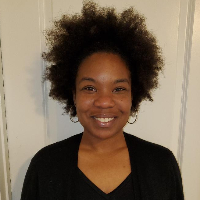
Dr. Lakisha Ellison
LCSW
Licensed Clinical Social Worker - family and identity concerns
- LGBT
- Relationship
- Family



Janet Stone-Nielsen
LCSW
Licensed clinical social worker - family of origin and trauma
- Stress, Anxiety
- Relationship
- Family
Surnames under P · everyone in the directory whose surname starts with P
Is this your profile?
Ask us to correct a detail or take the page down.
Contact us