
Sherry Holder, LCSW
Licensed in North Carolina 4 years in practice Sessions online
LCSW - Stress and relationship concerns
License and identifiers
- LCSW, North Carolina
- C016679 · expires December 2027
- NPI
- 1730751348 · national provider identifier
- Years in practice
- 4
- Languages
- English
Shown as Sherry lists it on their public professional profile. You can check a license with the state board that issued it and an NPI with the national registry.
About Sherry
Sherry Holder is an LCSW licensed in North Carolina with four years of clinical experience. She works with adults dealing with stress, anxiety, relationship strain, parenting concerns, trauma and abuse, and depression. Sherry focuses on practical steps people can use to feel steadier and more able to manage day-to-day challenges.
In sessions she uses clear, direct conversation to identify unhelpful patterns that often come from one’s family of origin and early relationships.
Background and approach
She draws on cognitive behavioral techniques to spot thinking patterns that keep stress and mood problems going. Mindfulness-based exercises are used to build awareness of strong emotions and bodily reactions. Sherry also incorporates acceptance and commitment ideas to help people clarify what matters to them and take small actions toward those values.
Dialectical behavior therapy skills are offered when stronger emotion regulation or distress tolerance strategies are needed. The focus is on concrete tools people can practice between sessions. Her approach centers on collaboration.
Sessions typically involve talking through recent problems, trying short exercises in the moment, and setting simple goals to practice afterward. She pays attention to how family roles and expectations may still shape choices and relationships today. Sherry practices in North Carolina and conducts sessions in English.
Before booking, readers should confirm current session formats and scheduling details.
Focus areas and approaches
Everything Sherry lists on their public professional profile, including family of origin issues.
- Stress, Anxiety
- Relationship issues
- Trauma and abuse
- Parenting issues
- Depression
- Abandonment
- Attachment issues
- Caregiver issues and stress
- Chronic pain, illness, and disability
- Codependency
- Communication problems
- Dissociation
- Domestic violence
- Emptiness
- Family of origin issues
- Family problems
- Impulsivity
- Mood disorders
- Panic disorder and panic attacks
- Personality disorders
- Post-traumatic stress
- Seasonal Affective Disorder (SAD)
- Self-love
- Social anxiety and phobia
- Somatization
- Women's issues
Approaches Sherry names
- Acceptance and Commitment Therapy (ACT)
- Client-Centered Therapy
- Cognitive Behavioral Therapy (CBT)
- Dialectical Behavior Therapy (DBT)
- Mindfulness Therapy
- Motivational Interviewing
- Narrative Therapy
- Solution-Focused Therapy
- Somatic Therapy
- Trauma-Focused Therapy
- Systemic Therapy
Naming an approach is not evidence of training in it. This directory copies what each therapist lists and does not check training records.
How sessions work online
How therapeutic approaches guide online sessions
Acceptance and Commitment Therapy (ACT) helps people notice unhelpful thoughts and choose actions that reflect their values. It is often used when someone wants clearer direction on what matters and practical steps to move forward.Cognitive Behavioral Therapy (CBT) focuses on identifying thinking patterns and testing them against real-life evidence. It is useful for managing anxiety, panic, and low mood by changing behaviors and thoughts in small, measurable ways.
Client-Centered Therapy emphasizes steady, respectful conversation where the client’s perspective leads the work. This approach supports people who need space to process feelings and decide next steps at their own pace.
Finding the right approach is a collaborative process. The therapist will talk with the client about goals, try different methods, and adjust based on what helps. That decision is made together and may change as needs change.
Confirm the session formats offered before booking so you know what to expect. Practical benefits of remote sessions include easier scheduling around work or parenting, options that reduce travel time, and more flexibility for shorter check-ins when needed. Ask about current session choices during the matching questionnaire to align format with daily life.
We will earn a commission if you sign up through our link, at no cost to you. It does not change what you pay or the order of the listings.
Questions about Sherry
What kinds of problems does she help with?
She works with stress, anxiety, relationship strain, parenting issues, trauma and abuse, and depression. Additional focuses include family of origin issues, attachment concerns, and codependency.
What is her therapy style like?
She uses practical, conversational sessions that mix discussion with brief exercises. The work aims to identify patterns and give tools to practice between meetings.
How much experience does she have?
She has four years of professional work experience as a clinician. That background informs her use of several behavioral and mindfulness approaches.
What are her credentials and where does she practice?
She is an LCSW licensed in North Carolina and provides services based in that state.
Which languages are supported?
Sessions are offered in English.
Does she work with international clients?
International clients are not currently accepted.
How are sessions billed?
Cost varies with location and sessions use a subscription that can be canceled at any time. Confirm specific pricing during the sign-up process.
How do I begin working with her?
Select the See online therapy options button, complete a short matching questionnaire, and schedule your first session. That sequence starts the onboarding process.
More therapists in North Carolina
See all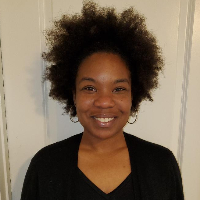
Dr. Lakisha Ellison
LCSW
Licensed Clinical Social Worker - family and identity concerns
- LGBT
- Relationship
- Family



Janet Stone-Nielsen
LCSW
Licensed clinical social worker - family of origin and trauma
- Stress, Anxiety
- Relationship
- Family
Surnames under H · everyone in the directory whose surname starts with H
Is this your profile?
Ask us to correct a detail or take the page down.
Contact us