
Amanda Reid, LPC
Licensed in South Carolina 8 years in practice Sessions online
Licensed counselor - family of origin and coping issues
License and identifiers
- LPC, South Carolina
- 8873 · expires August 2027
- NPI
- 1598238586 · national provider identifier
- Years in practice
- 8
- Languages
- English
Shown as Amanda lists it on their public professional profile. You can check a license with the state board that issued it and an NPI with the national registry.
About Amanda
Amanda Reid is an LPC (Licensed Professional Counselor) with eight years of clinical experience in South Carolina. She works with people facing stress, anxiety, depression, addictions, ADHD, parenting strain, anger, and coping with life changes. Amanda uses straightforward, practical methods to help people who want different results than the patterns they grew up with.
She emphasizes approaches that focus on present problems and skills. Sessions often include identifying unhelpful thinking and testing new ways of responding.
Background and approach
She also uses strategies to increase emotional regulation and motivation when change feels hard. Amanda’s background includes work as a substance abuse counselor and therapist in group home and hospital settings. That experience shaped how she helps people manage difficult emotions and build daily routines that work.
She draws on techniques from Cognitive Behavioral Therapy, Dialectical Behavior Therapy, Motivational Interviewing, Emotionally-Focused Therapy, and Client-Centered Therapy to inform her work. In practical terms Amanda helps people notice patterns tied to family of origin and childhood experiences, then try different responses. Sessions can focus on skills for coping, grounding methods for intense moments, and communication strategies for strained relationships.
She also supports people facing adoption and foster care concerns, attachment questions, blended family issues, and separation or divorce. Amanda uses clear, direct language in sessions and aims to help clients build habits that stick. People who want concrete tools and steady feedback may find this approach helpful.
To start, she asks clients to complete a short questionnaire and schedule a first session through the clinic’s online process.
Focus areas and approaches
Everything Amanda lists on their public professional profile, including family of origin issues.
- Stress, Anxiety
- Addictions
- Trauma and abuse
- Depression
- ADHD
- Parenting issues
- Anger management
- Self esteem
- Bipolar disorder
- Coping with life changes
- Abandonment
- Adoption and foster care
- Attachment issues
- Blended family issues
- Body image
- Cancer
- Caregiver issues and stress
- Chronic pain, illness, and disability
- Co-morbidity
- Codependency
- Commitment issues
- Communication problems
- Control issues
- Disruptive Mood Dysregulation Disorder (DMDD)
- Divorce and separation
- Domestic violence
- Drug and alcohol addiction
- Emptiness
- Family of origin issues
- Family problems
- Forgiveness
- Gender dysphoria
- Guilt and shame
- Impulsivity
- Infidelity
- Isolation / loneliness
- Jealousy
- Life purpose
- Midlife crisis
- Mood disorders
- Multicultural concerns
- Panic disorder and panic attacks
- Paranoia
- Polyamory / non-monogamous relationships
- Postpartum depression
- Post-traumatic stress
- Process addiction (porn, exercise, gambling)
- Seasonal Affective Disorder (SAD)
- Self-harm
- Self-love
- Sex addiction
- Sexual assault and abuse
- Sexuality
- Social anxiety and phobia
- Women's issues
- Workplace issues
- Young adult issues
Approaches Amanda names
- Client-Centered Therapy
- Cognitive Behavioral Therapy (CBT)
- Dialectical Behavior Therapy (DBT)
- Emotionally-Focused Therapy (EFT)
- Motivational Interviewing
- Narrative Therapy
- Solution-Focused Therapy
- Trauma-Focused Therapy
Naming an approach is not evidence of training in it. This directory copies what each therapist lists and does not check training records.
How sessions work online
How Amanda blends approaches for online sessions
Amanda draws on Cognitive Behavioral Therapy and Dialectical Behavior Therapy as core approaches. CBT helps people identify unhelpful thoughts and try small experiments to test new ideas. It can be useful for anxiety, depression, and changing habitual reactions. DBT offers concrete skills for managing strong emotions, improving distress tolerance, and handling conflict more effectively.She also uses Client-Centered Therapy ideas to keep sessions focused on the client's perspective and Motivational Interviewing to address ambivalence about change. These approaches are applied collaboratively. The therapist and client work together to decide which tools fit the client's goals and daily life needs rather than assuming a single method will be best.
Confirm the specific session formats before booking, as the biography does not list formats. Online work can make it easier to fit sessions into a busy week, allow shorter check-ins when needed, or avoid travel time. It also allows practicing skills in the context of everyday routines. Amanda will discuss which approach and session rhythm match the client's schedule and goals during the initial meeting.
We will earn a commission if you sign up through our link, at no cost to you. It does not change what you pay or the order of the listings.
Questions about Amanda
What concerns does she address?
She works with stress, anxiety, depression, addictions, ADHD, anger, parenting strain, bipolar symptoms, and coping with life changes. Additional areas include adoption and foster care, attachment issues, and divorce or separation.
What is her therapeutic style?
Amanda uses practical, skills-oriented approaches. She focuses on changing unhelpful thinking, building emotion regulation skills, and increasing motivation to try new behaviors.
How much clinical experience does she have?
She has eight years of experience working in outpatient settings, group homes, and mental health hospitals.
What are her credentials and location?
She is an LPC (Licensed Professional Counselor) practicing in South Carolina.
Which languages are supported?
Sessions are offered in English.
Can international clients work with her?
International clients are not currently accepted.
How are sessions scheduled and paid for?
Cost varies by location and sessions use a subscription that can be canceled at any time.
What are the steps to begin?
Select the See online therapy options button, complete a short matching questionnaire, and schedule a first session.
More therapists in South Carolina
See all
Katie Trent
LISW-CP
Licensed social worker - family patterns and relationships
- Stress, Anxiety
- Relationship
- Parenting

Marianne Matos
LPC
Licensed Professional Counselor - Family patterns and trauma
- Stress, Anxiety
- Trauma and abuse
- Self esteem
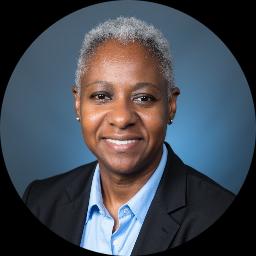
Acquanita Pettis
LCSW, LISW-CP
LCSW helping adults with family patterns and anxiety
- Stress, Anxiety
- LGBT
- Trauma and abuse

Surnames under R · everyone in the directory whose surname starts with R
Is this your profile?
Ask us to correct a detail or take the page down.
Contact us